Topic
Bridges that signal their own defects. Doctoral student Kristína Bezručová is collaborating with Danish experts
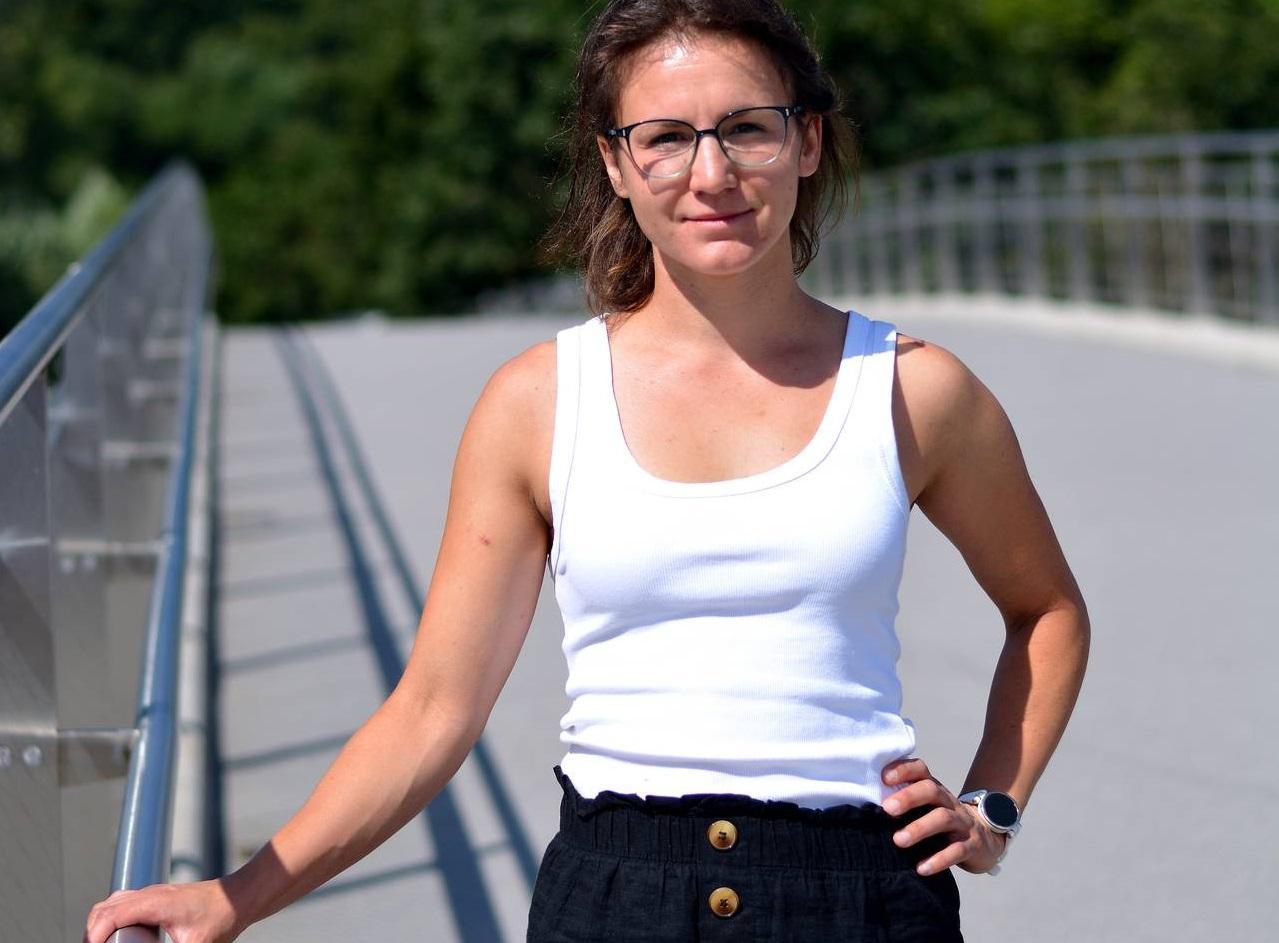
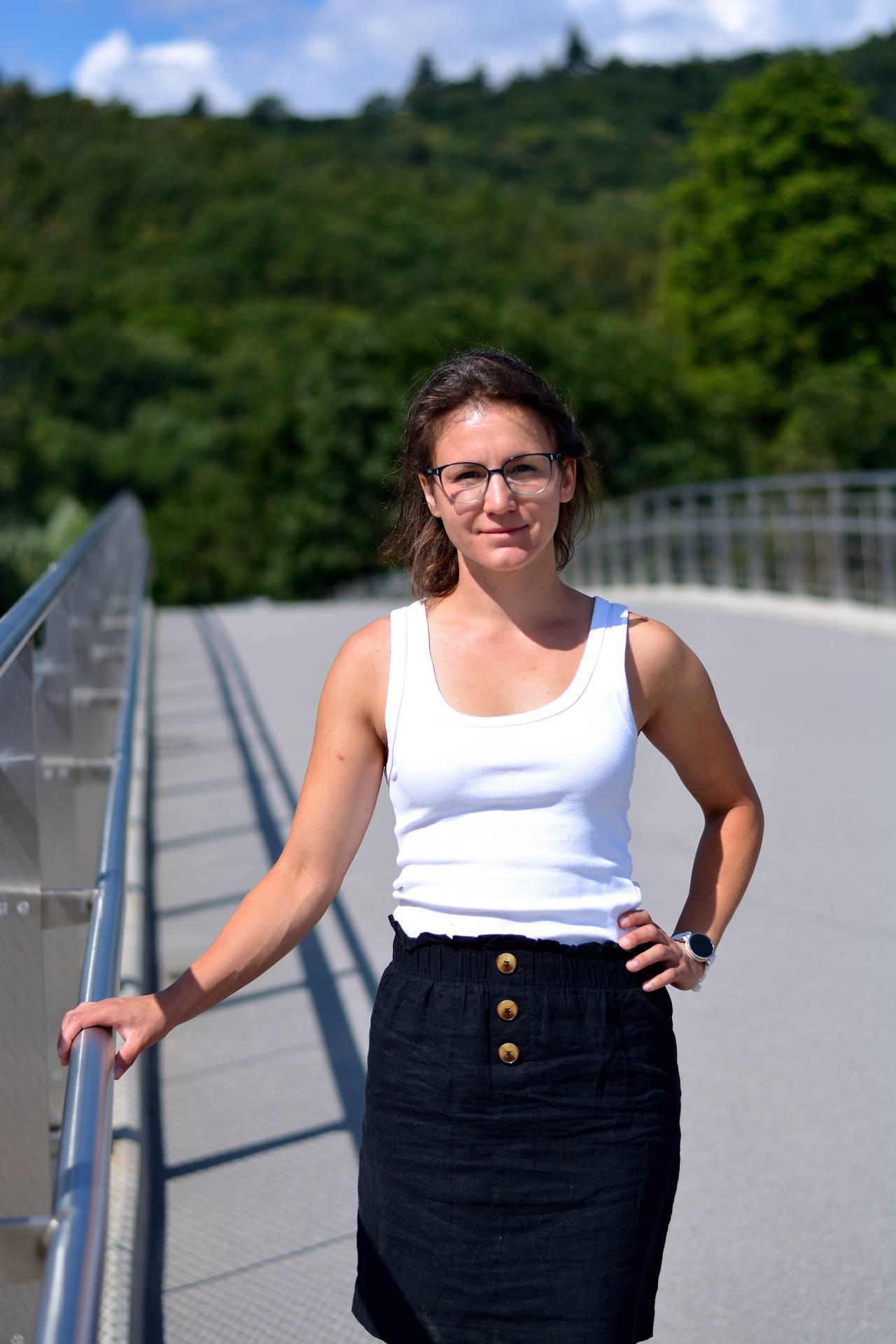
How can you tell if a bridge is damaged before it’s too late? PhD student Kristína Bezručová from the Institute of Concrete and Masonry Structures (BZK) at FCE BUT focuses her research on these “hidden signs.” The results of her work help monitor the condition of pedestrian bridges throughout the Czech Republic. This year, she also succeeded in establishing a partnership with the Danish company SVIBS, one of the world leaders in structural monitoring.
Wind, passing cars, or pedestrians—structural elements respond to all these environmental phenomena with minute vibrations. Each structure has its own characteristic way of vibrating, just as we recognize each musical instrument by its unique sound. If the vibration begins to change, it can alert us to an emerging problem.
A research team at the Institute of Concrete and Masonry Structures at FCE BUT led by Radim Nečas, of which PhD student Kristína Bezručová is an important member, is dedicated to monitoring these changes. Changes in structural vibrations are monitored using the OMA method.
Mathematics + Civil Engineering = A Strong Foundation
Kristína gradually became involved in research during her studies. In addition to civil engineering, she also studied mathematics at the Faculty of Science at Masaryk University. It was the combination of multiple disciplines that ultimately led her to research the dynamics of bridge structures, a field she remains dedicated to to this day.
“I was completely captivated by it: studying at BZK brought together everything I enjoyed—bridges, dynamics, and data analysis. Plus, it involves practical applications, which has always been important to me,” says Bezručová.
The research also involves active collaboration with the Faculty of Electrical Engineering and Communication BUT and with industry partners. The goal is to develop wireless smart sensors that can use the OMA method not only to measure data, but also to process it immediately.
From Watching Webinars to International Collaboration
The company SVIBS from Aalborg in Denmark is one of the world’s leading companies developing software for analyzing the dynamic behavior of structures and their long-term monitoring.
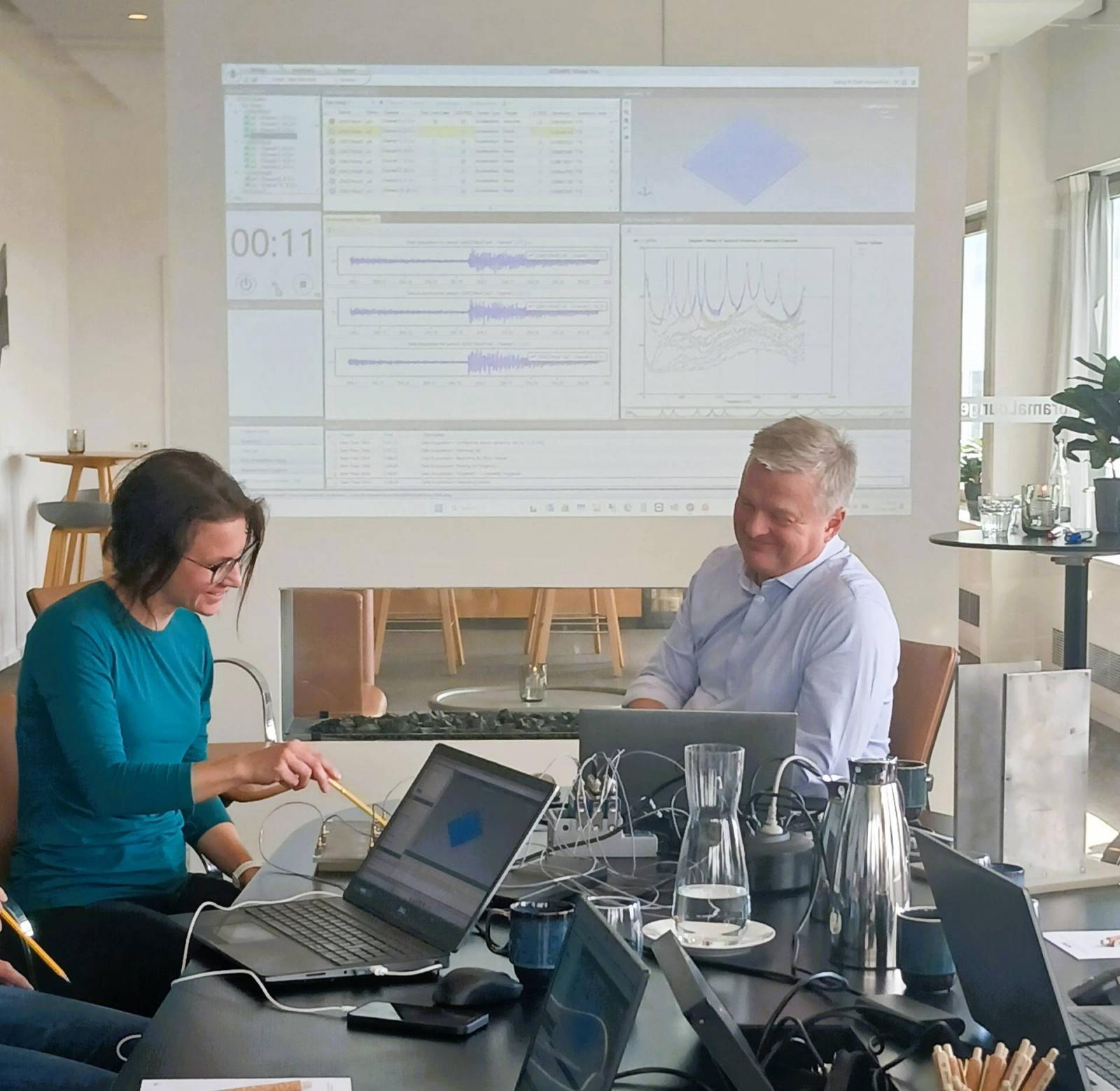
Kristína Bezručová has been following their work since 2018. “Back then, while searching for information, I came across their webinars and training sessions. Gradually, we at BZK began to wonder if their software could also help our research,” she explains. The initial contact regarding the technical capabilities of the software ARTeMIS Modal used for OMA analysis gradually evolved into more intensive collaboration.
However, the path to success was not straightforward. The newly introduced mandatory international internship for doctoral students became a significant complication for Kristína, a mother of young children. “After discussions at the faculty level and with SVIBS, we managed to reach a compromise—a partial stay abroad combined with remote work and direct output for the company,” Bezručová explains.
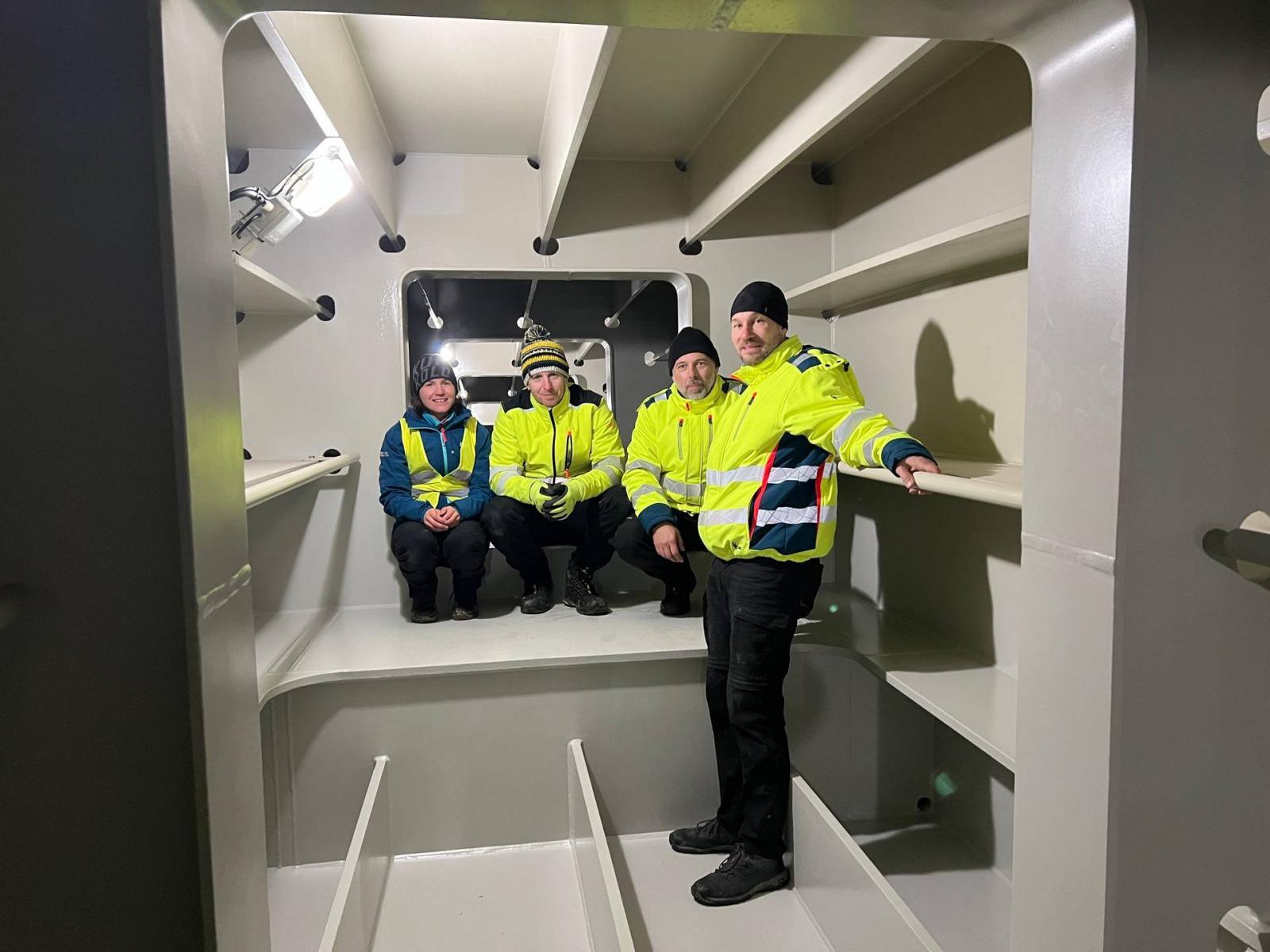
This led to her participation in April in a training session in Aalborg, Denmark, which covered experimental and operational modal analysis (OMA), long-term structural monitoring and practical work with the software. “It was a great opportunity to learn about current trends and meet in person with the people behind the program’s development,” says Kristína.
SVIBS also temporarily provided the research team from FCE BUT with a free license for the ARTeMIS Modal software to work on current research topics.
Footbridges that change with the seasons
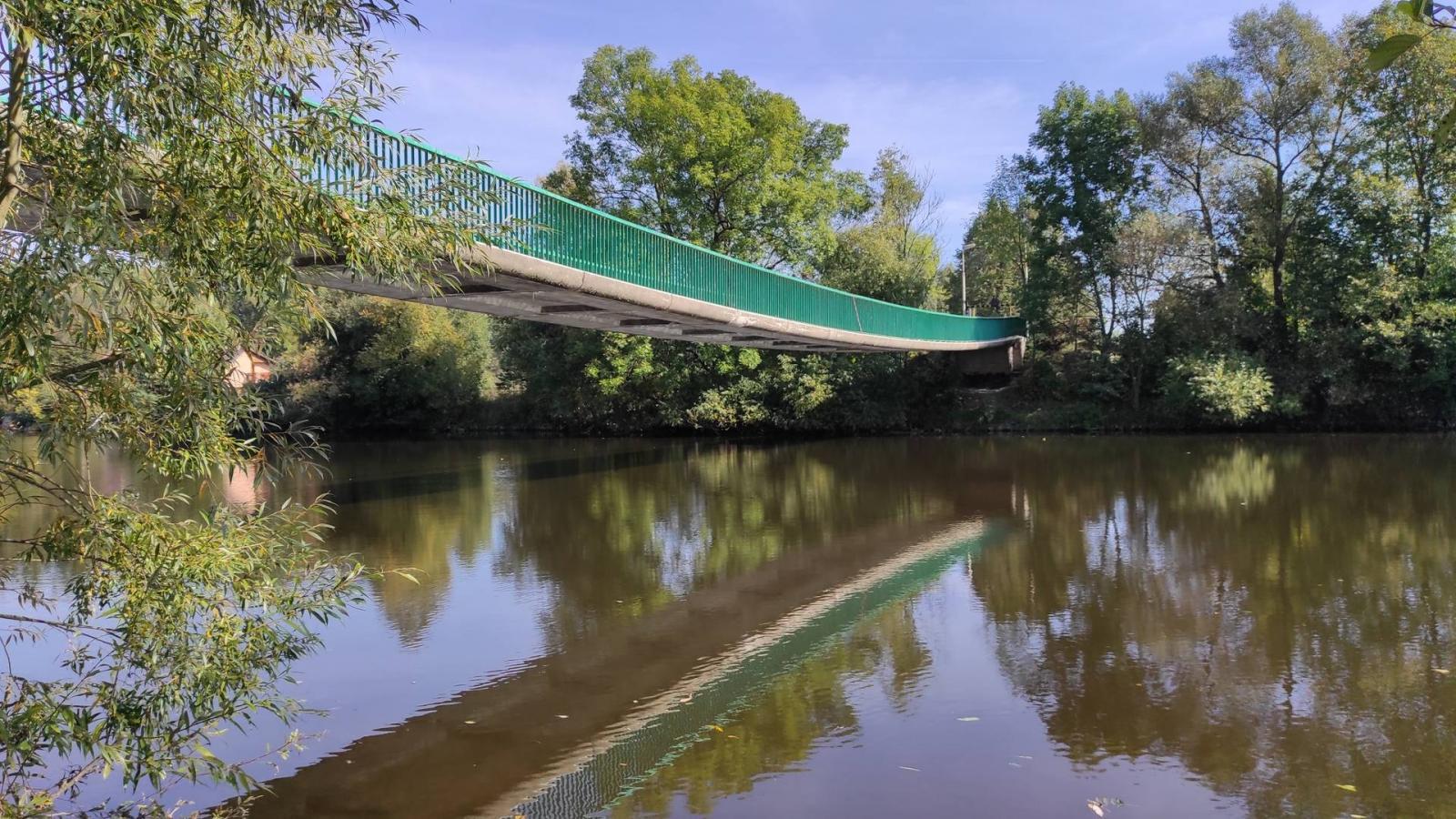
Kristína particularly impressed the Danish partners with the results of long-term monitoring of a special type of suspension footbridge called prestressed belts. These structures have a characteristic curved shape, and therefore function differently than conventional bridges. The same design principle was also used by the Troja Footbridge in Prague, whose collapse in 2017 significantly highlighted the importance of long-term monitoring of structural engineering works.
During observations of the footbridge in Radonice nad Ohří researchers from FCE BUT discovered an interesting phenomenon: the structure changes more over the course of the year than they had originally expected. While in the summer the material expands slightly due to higher temperatures and the footbridge sags more, in the winter it contracts, on the other hand, and its shape changes slightly. These changes subsequently also affect the way the structure vibrates.
“At first glance, the changes may seem very small, but from the perspective of measurement and evaluation, they are significant. In order to correctly identify the structure’s actual problem, it is necessary to distinguish between what is a normal reaction to the weather and what might signal something more serious,” explains Kristína Bezručová. 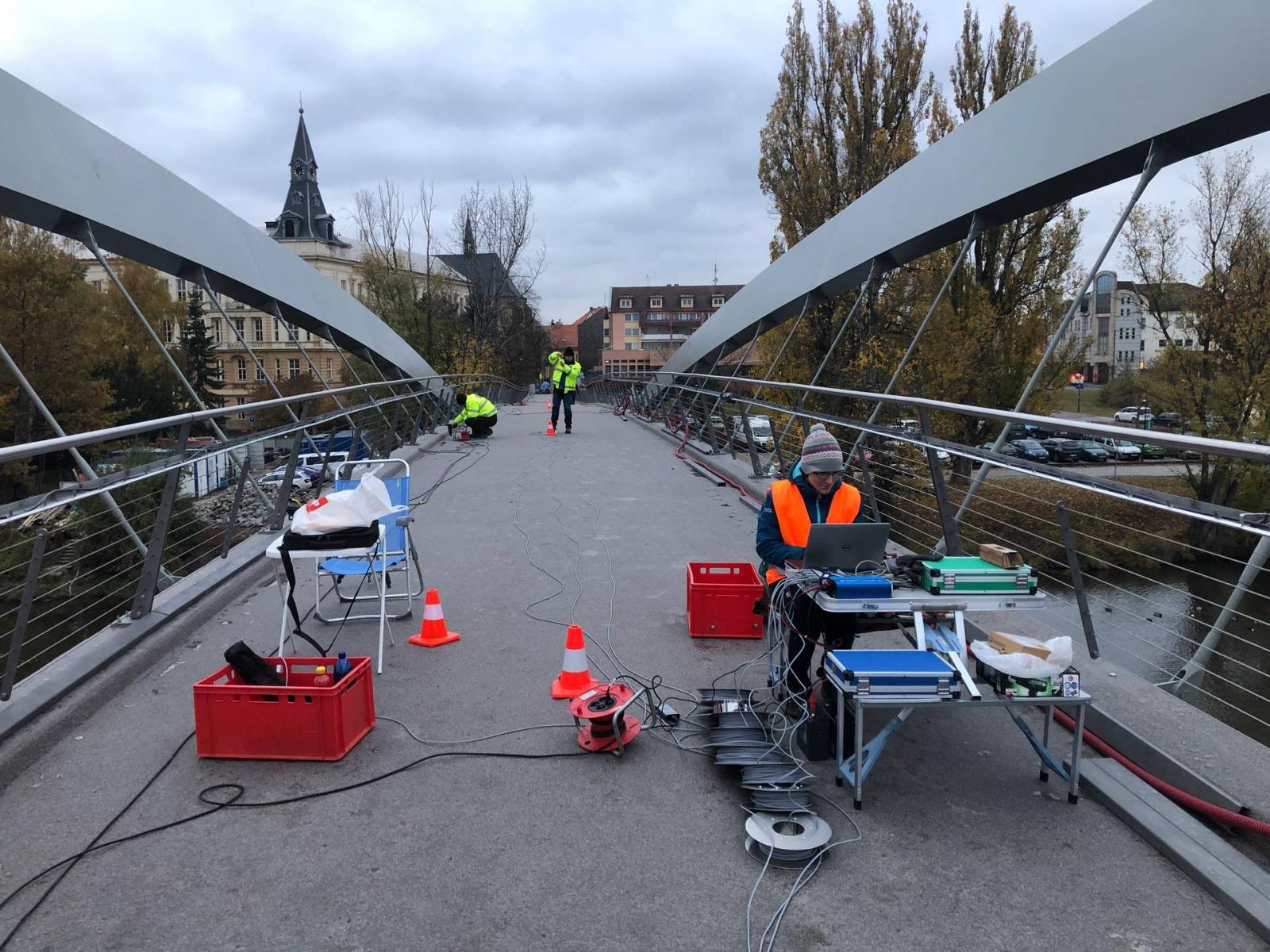
The results of Kristína’s research caught the attention of SVIBS to such an extent that the organization itself published them as case study on its website.
The doctoral student discusses her experiences with international collaboration in more detail in an interview for SVIBS.
Source: FCE BUT
The weakest dies, the rest continues to grow
BUT experts address climate challenges, floods, and the future of Czech water
Sustainable energy projects are not a luxury. They can save and make money
A scientist brings hot lava samples from Iceland to Brno
3D concrete printing in practice: FCE BUT students exceled during international internship in France