Topic
Experience BUT at Researchers' Night: What Happens Inside a Car During a Crash?
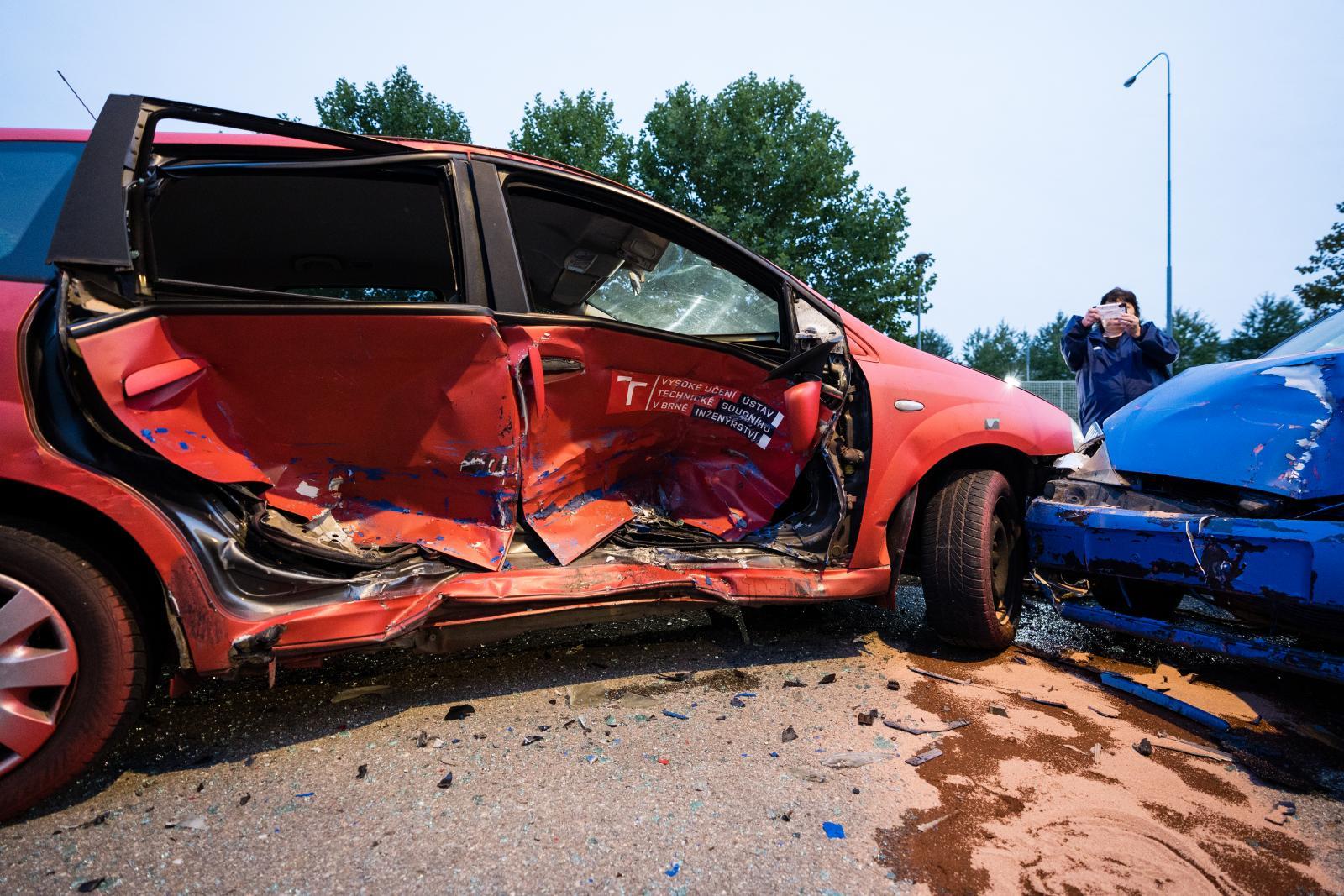
When we think of car safety, most people picture an airbag or a seat belt. But what exactly has to work for a vehicle to protect us in a crash? Visitors to the Researchers' Night at the Institute of Forensic Engineering BUT will find out.
It’s going to be a crash! That pretty much sums up the crash tests, during which a vehicle will hit a stationary car at approximately 40 to 50 kilometres per hour. A speed corresponding to a situation that could occur, for example, when someone is distracted in urban traffic. “Vehicle crash tests are usually carried out in closed testing facilities, so they are not something you get to see every day,” explain Marek Semela and Martin Bilík from the IFE BUT, giving visitors another reason to stop by.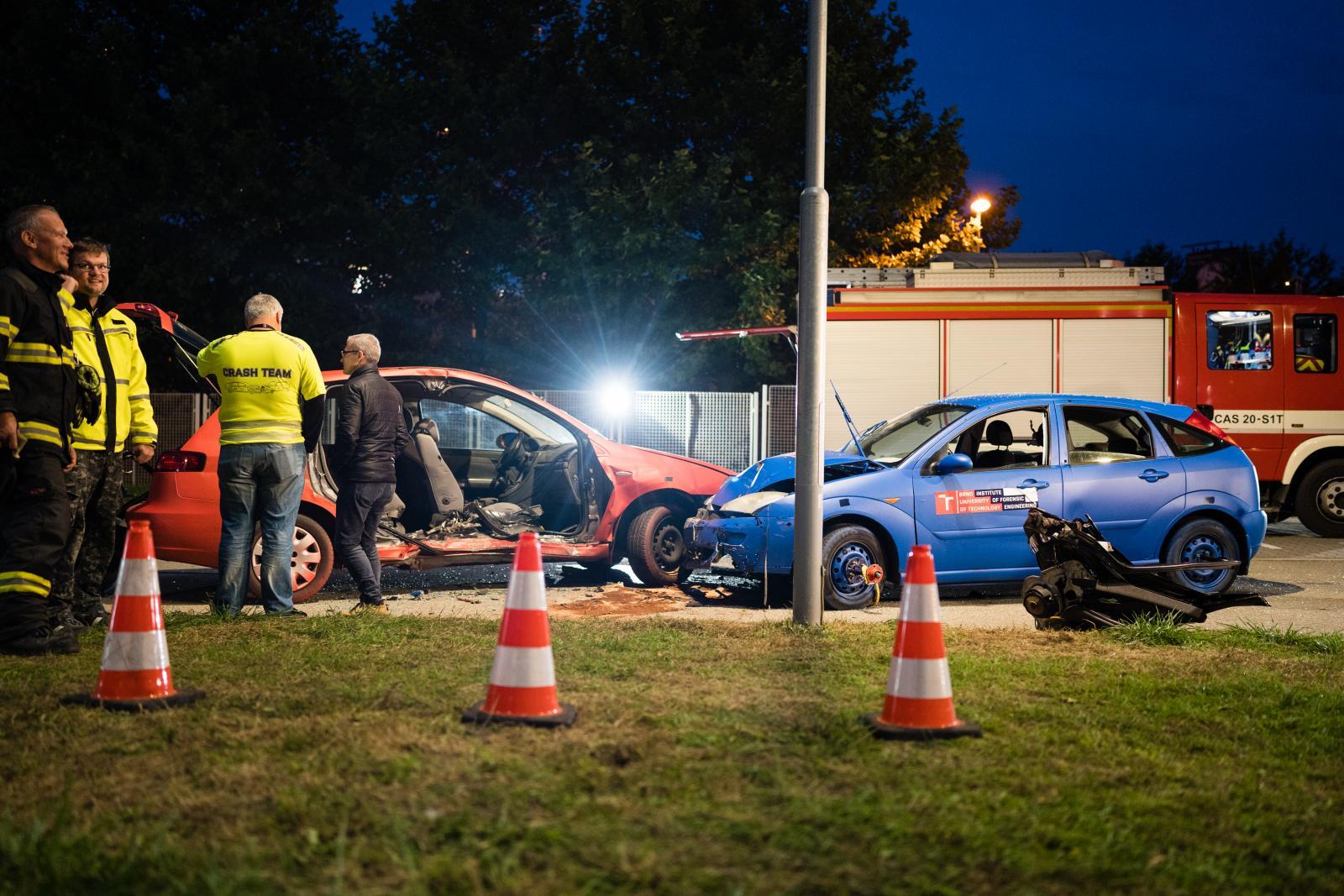
In addition to the crash tests, which will take place at 7:00 p.m. and 9:00 p.m., visitors will also get a look at the internal structure of vehicles, including the Škoda Elroq electric car, and discover just how many different safety features are normally hidden from view. These features play a crucial role in how a vehicle functions and how it behaves in a critical situation.
Modern cars also come equipped with so-called black boxes, which can provide valuable information after a crash about what happened in the moments leading up to the impact. Visitors will learn what kind of data vehicles record, how it can be used when investigating road accidents and how it can be accessed. According to experts from the Institute of Forensic Engineering, the analysis of road accidents is an area that is constantly evolving. “As the analysis of road accidents becomes more sophisticated, we are also able to improve accident prevention and help protect people’s health and lives,” Semela and Bilík point out.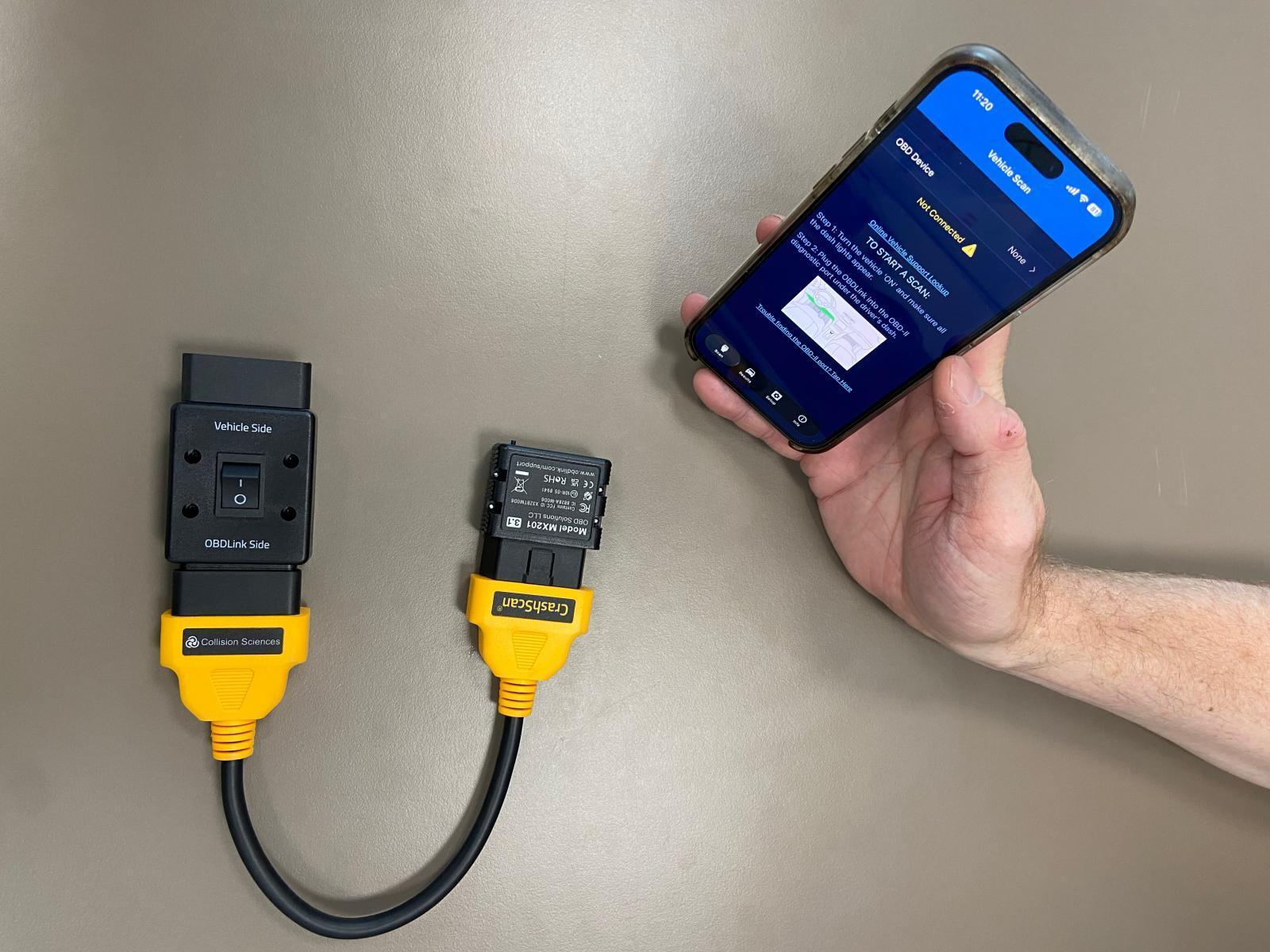
And what should every young and not-so-young science enthusiast take away from Science Night? “This year’s Researchers' Night theme is communication, so I would like visitors to remember that modern vehicles simply could not function without communication – certainly not in the way we are used to. And while some of these features may occasionally annoy us, their role is far more important when it comes to safety,” the experts emphasise.
|
Researchers' Night takes place on Friday, 25 September, with all BUT faculties and institutes taking part. Laboratories, classrooms and research facilities will open their doors to the public and offer a programme full of experiments, interactive demonstrations and opportunities to meet researchers. For more information, visit the Researchers' Night website. Come and discover how the technologies that shape your everyday life are created – and experience BUT! |
Author: Lenka Hubáčková
Where does a motorcyclist look while riding? The answer will be offered by research from IFE
How does the age of tyres affect road safety? The answer will be offered by research from the IFE
Unique Damage Catalogue maps dozens of traffic accidents. It will help forensic experts and insurance companies.
Strait of Hormuz? Risk engineers know how to mitigate impacts of crises
Historical legacy affects the value of cultural monuments. For example, the distance from the stop has an influence