Topic
Graduates of FCE BUT hold the record for class reunions. They even have their own anthem and chronicle
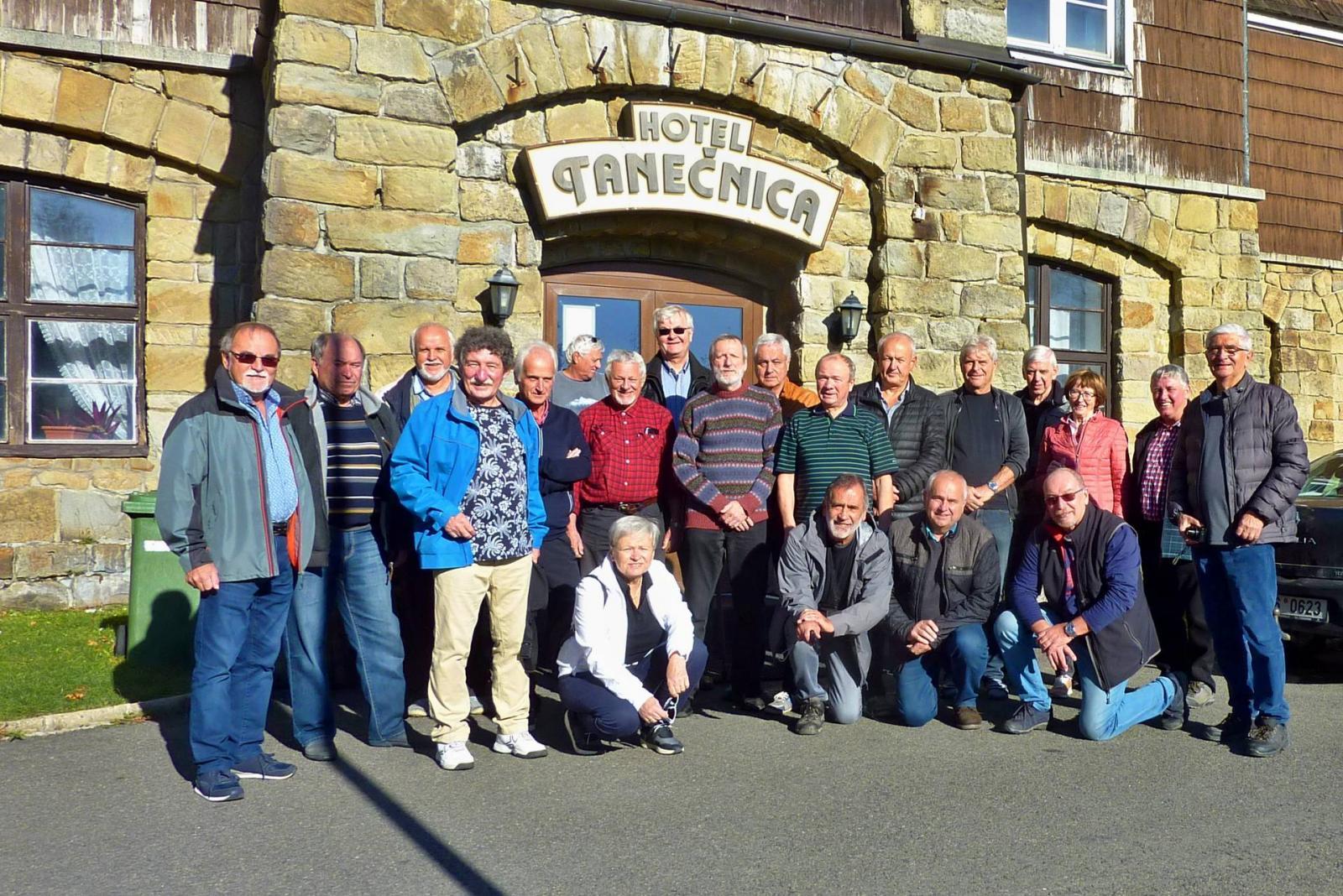
In 1974, student Karel Sehoř set out on a trip around Radhošť and Pustevny. The beauty of the landscape impressed him so much that he invited his classmates to join him on another trip. And so a tradition was born – today, graduates of the Structures and Transport Engineering programme from 1975 have been meeting for more than half a century. This year, the “Pustevny Reunion” was entered into the Czech Book of Records as the “Longest-Running University Class Reunion”. We spoke with chronicler Karel Sehoř about how this gathering has lasted for an incredible 50 years.
Last year, 26 classmates came to Brno for the 51st reunion. Most of them are now over 75 years old. And yet, every year they still look forward to meeting again. “We’re curious to see how far we’ve progressed. Gradually towards dementia, that is. So that we can keep track of one another,” Karel Sehoř, one of the founding members of the reunion, jokes. He then adds more seriously: “We are a group of people who value one another. After all these years, we know each other incredibly well, and there is a certain bond between us.”
The reunion has undergone major changes since that first lively gathering in Pustevny. What began as a one-day meeting gradually became a three-day programme full of exploring (and tasting) the beauty of the Czech Republic, organised each year by a different classmate. One rule, however, remains unchanged – every five years, the classmates return to where it all began – Koliba U Zaryša in Pustevny.
An event with its own little world
After graduating from the faculty in 1975, the classmates went off to complete their compulsory military service and skipped their regular reunion for one year. In 1976, however, they made up for it by meeting twice. Since then, they have met every year, with just one exception during the COVID-19 pandemic.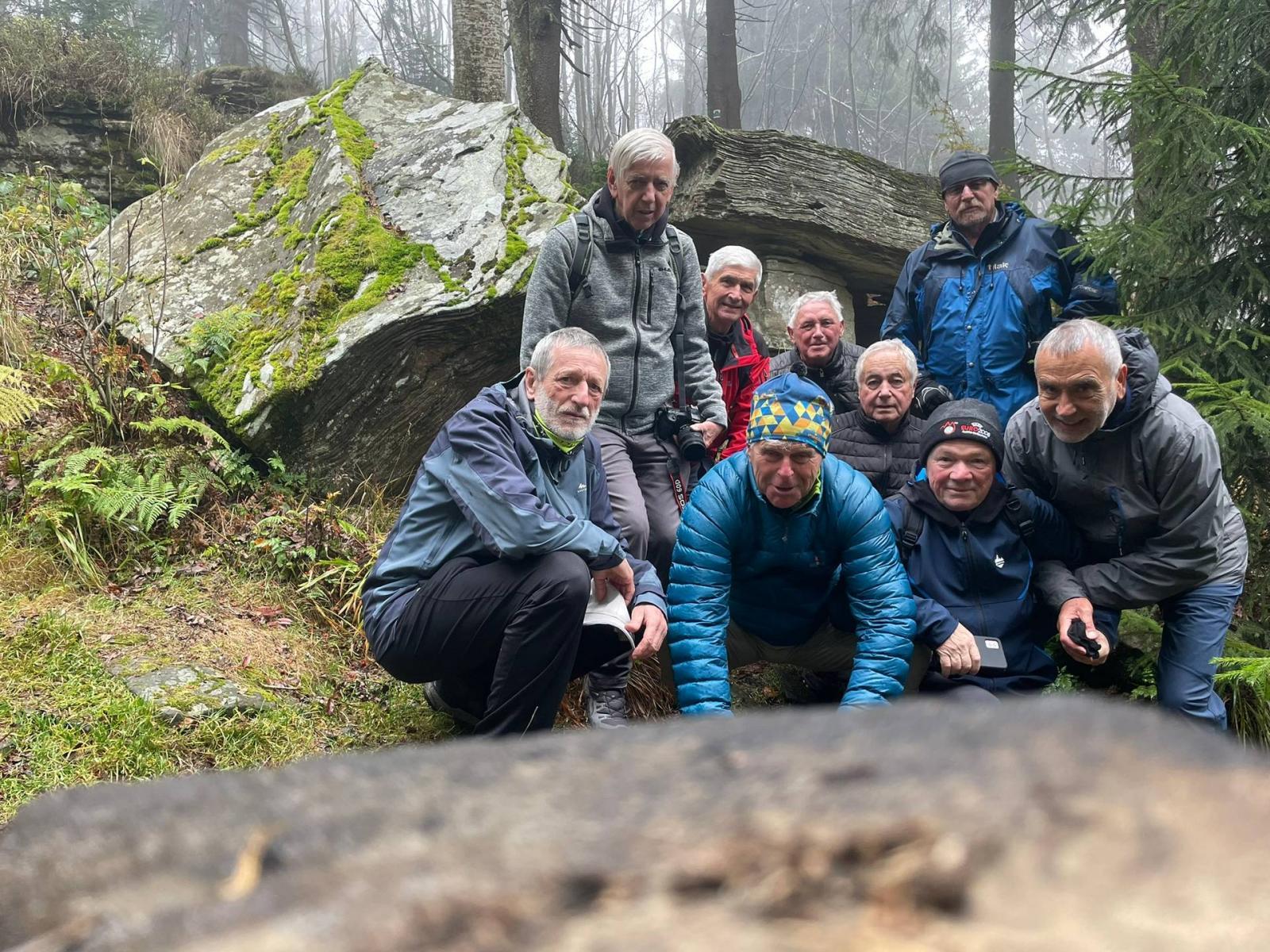
Sehoř soon realised that spontaneous gatherings needed some structure. “I had the feeling that I needed to set some boundaries. So I wrote up a set of rules,” he says. In addition to fees and fines for failing to pay them, he also recorded attendance, which gradually became a matter of prestige. “We have one person among us who is the only one to have attended all 50 reunions. He even received an award for it last year,” the chronicler points out.
And so the Pustevny Reunion was born, complete with its own chronicle, rules and rituals since 1979. A hymn was added for the 20th anniversary, followed by headbands and vests for later milestones. You can now recognise the classmates from a distance by their cheerful songs, whose lively melodies, lyrics and meanings are known only to them. The tradition also includes a penalty jug. Whoever collects the most fines during the reunion takes it home, looks after it for the entire year and brings it back to the next gathering.
The chronicler who keeps the tradition alive
Karel Sehoř is the guardian of this small world of reunions. He became the main chronicler and still makes sure that the Pustevny Reunion does not lose its original meaning and spirit. “I write everything down. We engineers sometimes have a tendency to do that,” he says with a smile. He records his family history and genealogy in much the same way. “I’d say it’s a kind of personal quirk of mine,” he admits with a smile.
 |
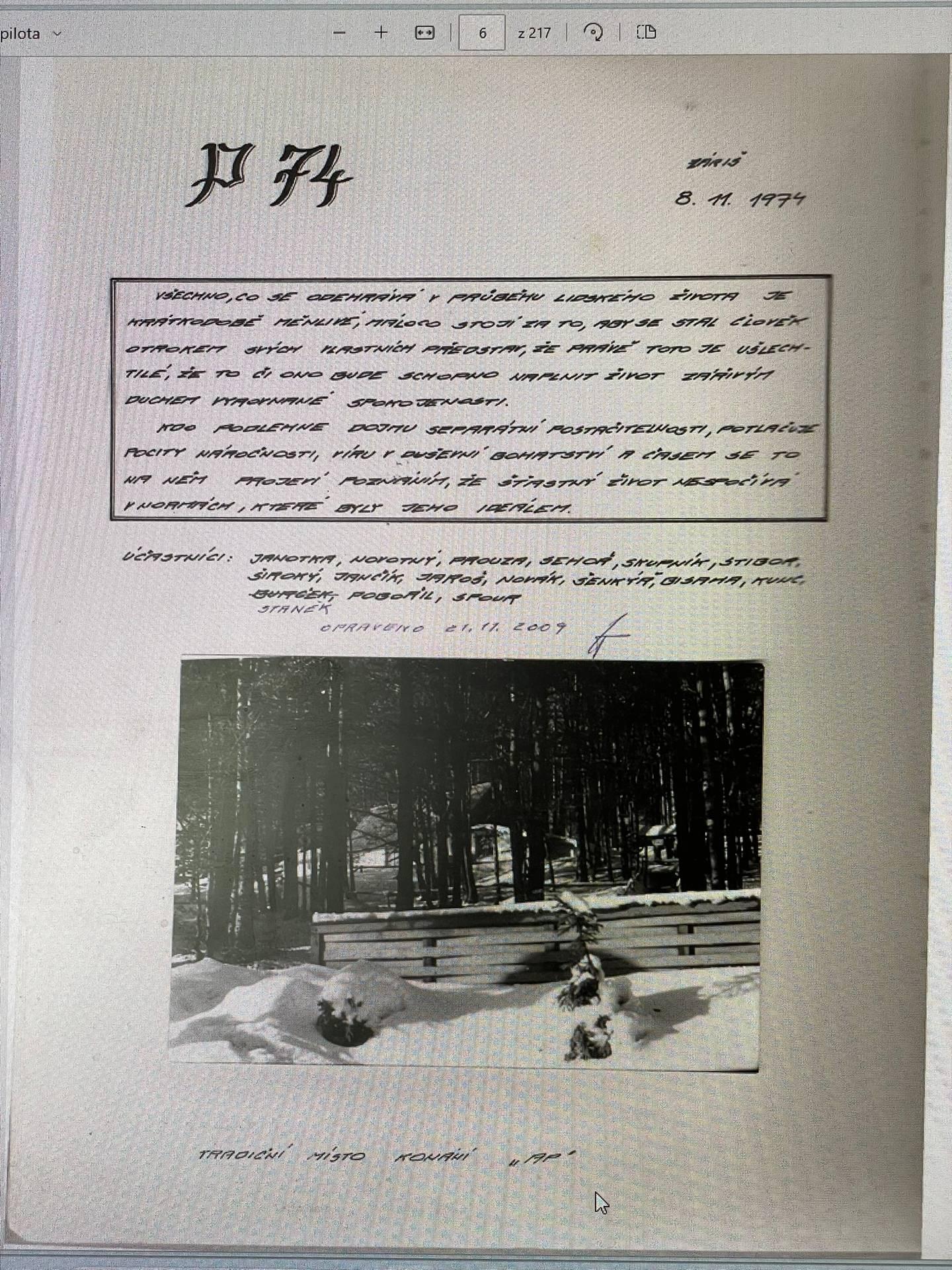 |
He has meticulously kept the Pustevny Reunion chronicle since the very beginning. It starts with an entry from the first gathering, the founding document, a receipt from Koliba U Zaryša and Sehoř’s own prologue describing the trip to Pustevny that inspired the entire tradition. Over time, the book followed the changing times and was converted into an electronic format. The entries, however, have retained their unmistakable spirit, now enriched with group photographs from the reunions.
50 years since the construction school
It all began at university in 1974. The classmates were brought together by their years at the Faculty of Civil Engineering BUT. Most of them went on to work in the construction industry, with concrete and steel engineering being the most common fields. Classmates from the Ostrava region found employment in steel engineering projects or at the Vítkovice metallurgical complex, while those from Brno worked on concrete or transport infrastructure projects.
One of the classmates still runs a company specialising in urban roads. “That’s Miroslav Skupník, the one with 100% attendance at the reunions. It’s true that whenever we’re somewhere together, he always has his phone to his ear and is constantly dealing with something. So we tell him that he should give it a rest by now,” the chronicler laughs. After retiring, some of the classmates swapped traditional construction work for property valuation.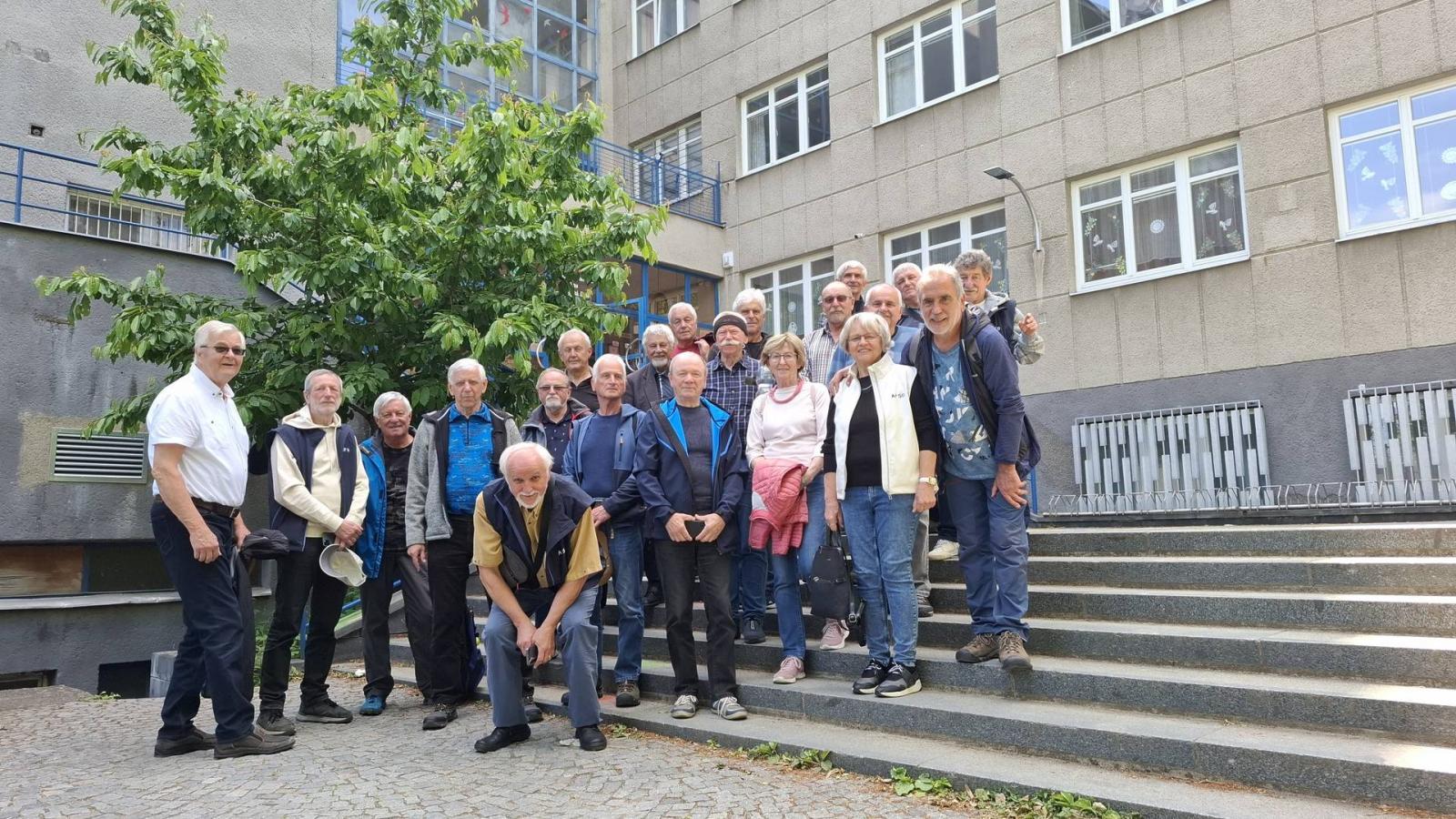
Karel Sehoř began his career as a designer of steel structures. Following the events of November 1989, he chose a career in politics and later became a member of parliament. He never forgot his construction background, however. He considers an octagonal maintenance and repair hall at the Kunovice aircraft complex, which can accommodate eight aircraft, one of the highlights of his professional career.
Study construction engineering. You will leave something behind
Today, the chronicler remembers the faculty as a place that broadened his horizons. “For me, the sense of belonging that developed at university is important. It has enriched my whole life in a way. That’s where the whole reunion tradition began,” he says.
He would have no hesitation in recommending construction engineering to young people today. “You will leave something behind in this world, and one day you can show your work to your grandchildren. That’s something wonderful,” he emphasises. In his view, construction is also a responsible profession – engineers must make sure that their structures serve people well, safely and for a long time. It is precisely this that Sehoř sees as the true meaning of technical disciplines and a source of personal fulfilment.
This autumn in Znojmo!
When Karel Sehoř is asked to sum up what more than fifty years of reunions mean to him, a smile appears on his face. “It gives me a kind of pure, instinctive joy. With a bit of humour and a bit of seriousness. It’s a social gathering where we talk about what has happened over the past year. When 15 or 20 people get together, it’s wonderful,” he says.
There will be another opportunity for joy this October. This time, the classmates will meet in Znojmo, where they will explore local sights, the surrounding countryside… and perhaps some of the local wine cellars as well. 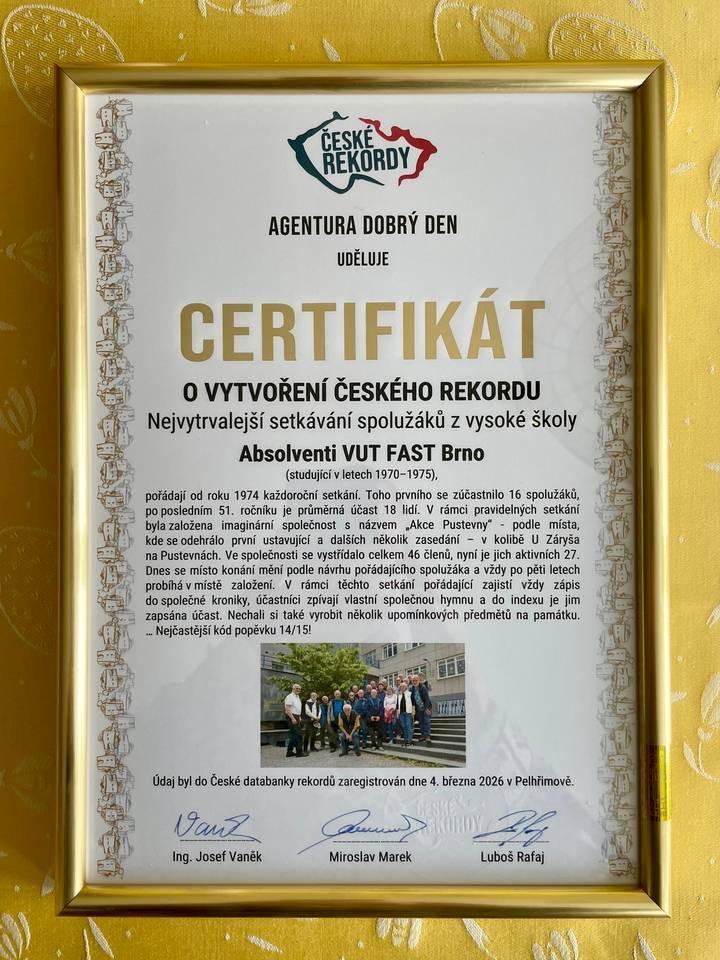
We would like to thank Karel Sehoř and Svatava Hobstová for sharing their memories and information and for giving us a glimpse into the history of the Pustevny Reunion.
Source: Faculty of Civil Engineering BUT
Graduates of BUT are contributing to a revolution in logistics. They are preparing infrastructure of delivery of parcels by drones
FCE BUT graduate František Bílek: I consider the gold medal from the EXPO 2025 world exhibition in Osaka to be an exceptional achievement
BUT startup LR SmartWater is digitizing Czech heating industry. Their models will also help water utilities and cities
From construction to his own company: Jiří Pech shows that BUT opens up much broader opportunities than it may seem
Jiří Sázel: "After 18 years of working in the Himalayas, it is no longer a problem for me to meet a person on every corner in Ladakh whose life has been changed by our work."