People
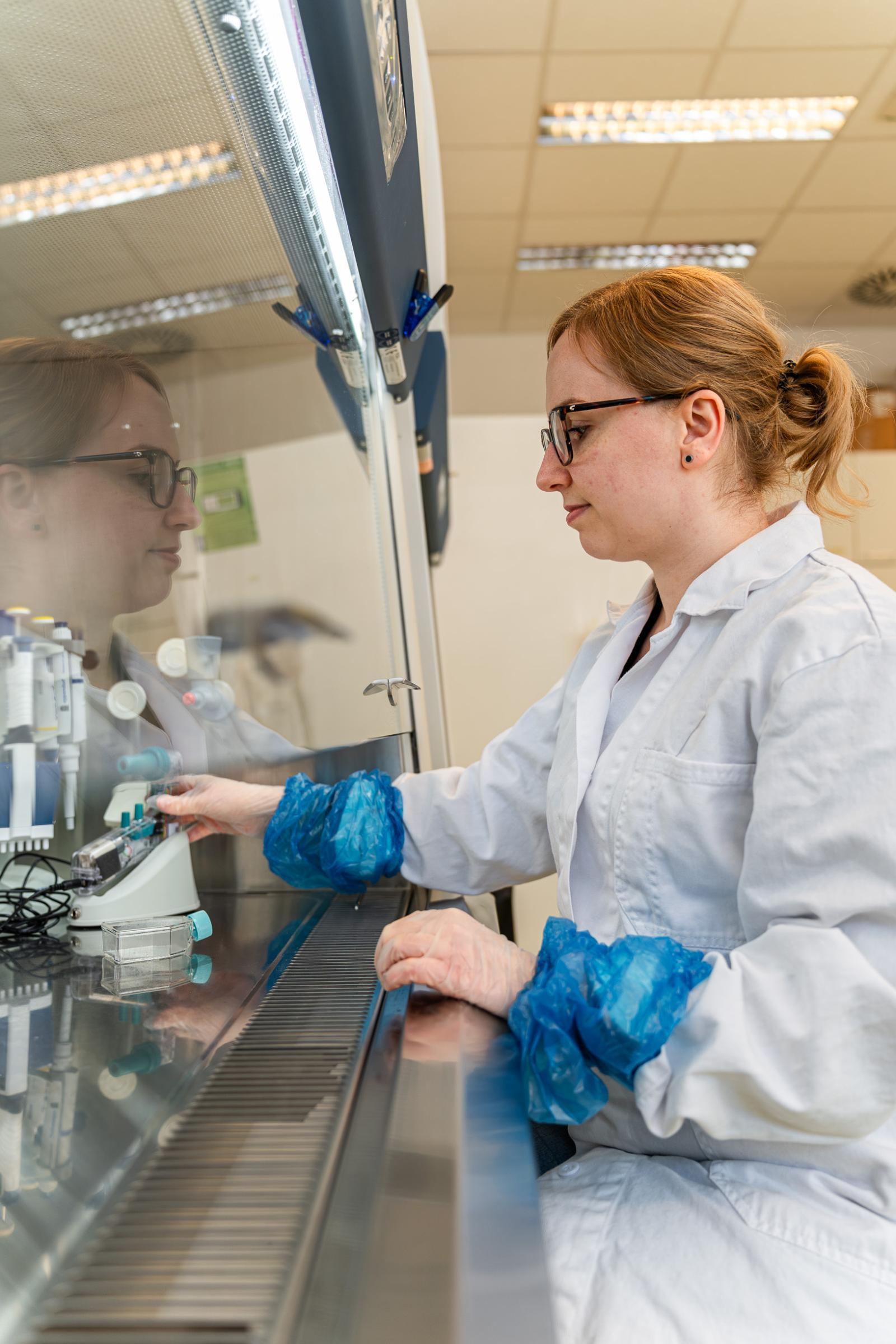
JUNIOR STAR grant recipient Simona Dzurendová: Yeasts are fascinating cellular factories
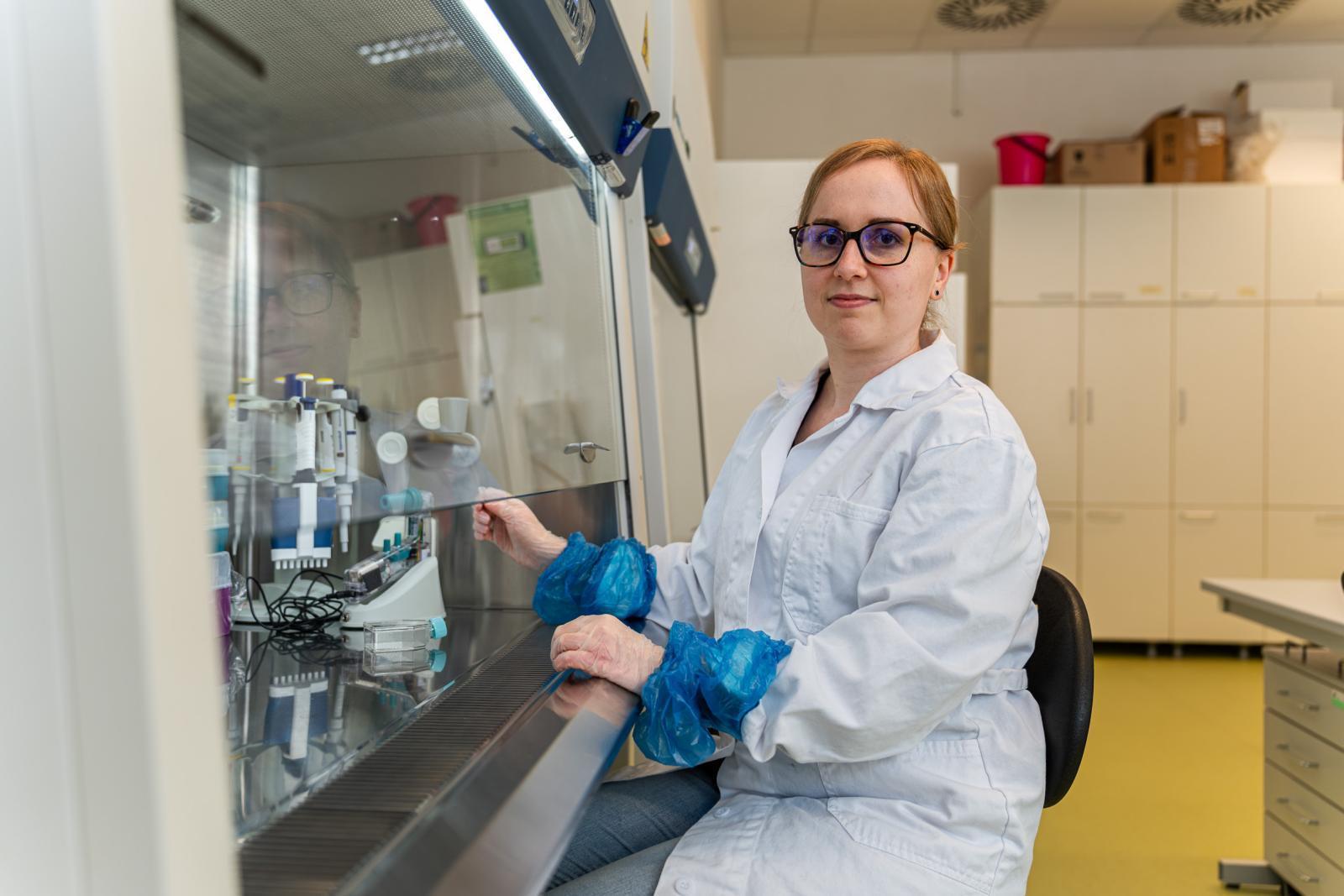
Receiving the GA ČR JUNIOR STAR grant is a significant scientific achievement. What does this recognition mean to you personally?
For me, above all, it is recognition of many years of hard work. The requirements for obtaining a JUNIOR STAR grant include a strong track record of research and publications, as well as significant international experience. I think not everyone can fully imagine what that involves. It is not simply about going to work at an institution abroad. There is moving to another country, dealing with family circumstances and working conditions, weekends spent in the laboratory and nights spent writing scientific papers.
Receiving this grant has reassured me that all that effort was worthwhile, and it has brought me enormous relief. At the same time, it gives me the freedom and financial resources to pursue my own research topic systematically over the long term.
What was your first reaction when you learned that your project had been successful?
I found out early in the morning, on the day the results were announced. At first, I could hardly believe it. I kept checking whether I was looking at the right table and whether our project was really listed there.
Of course, I was absolutely delighted. First, I called my husband, and then I let the colleagues who had also contributed to preparing the proposal know. I would like to take this opportunity to thank Dr Eva Slaninová, Dr Tomáš Plichta, Professor Stanislav Obruča and Associate Professor Karel Sedlář.
How long did you work on preparing the project proposal, and what was the most challenging part?
The idea developed gradually during my previous research. I worked with cells that behaved differently in mechanical terms. Some were rigid, some modified their cell walls, and others even ruptured depending on their internal contents or during routine handling, such as centrifugation. So the central idea had been on my mind for quite some time. We then needed to evaluate the resources available at our university and through international collaborations, hold meetings about project staffing, prepare the methodology and address other practical matters.
Writing the proposal itself took approximately six months, alongside my regular responsibilities during the semester. The most challenging part was finding uninterrupted time, because preparing a project like this requires deep concentration and a certain degree of peace and quiet. You cannot simply sit down for an hour between two other commitments. And, of course, combining that with regular work, teaching and, in my case, caring for a young child was particularly demanding.
You prepared the project while also caring for your young daughter. How did you manage to balance scientific work with parenthood?
In our case, my husband and I decided to share responsibility for caring for our daughter. It was a joint decision that, while Natálka is not yet attending kindergarten, I would spend part of the day looking after her and my husband would take care of her for another part of the day. He is also working part-time while on parental leave. We tried to find a system that would allow both of us to spend time with our little girl while continuing our work and providing for our family. Flexible working hours play a major role in this. I can start work very early in the morning and still have enough time for my daughter later in the day.
Support from the faculty also played a crucial role. How specifically did your workplace accommodate your needs?
I would really like to highlight the working conditions the faculty made possible for me, because without them, combining research, teaching, project preparation and parenthood would have been much more difficult.
I would particularly like to thank Professor Ivana Márová, thanks to whom I entered the field of biotechnology research. She allowed me to organise my work more flexibly, work from home one or two days a week and arrange my teaching duties so that I could concentrate them into specific days. I would also like to thank our current head of department, Associate Professor Pavel Diviš, for his continued support and understanding.
I would like to emphasise that these kinds of practical arrangements can make an enormous difference to parents of young children. It is not always about major systemic changes. Sometimes, simply having more flexibility in working hours or teaching schedules can help tremendously.
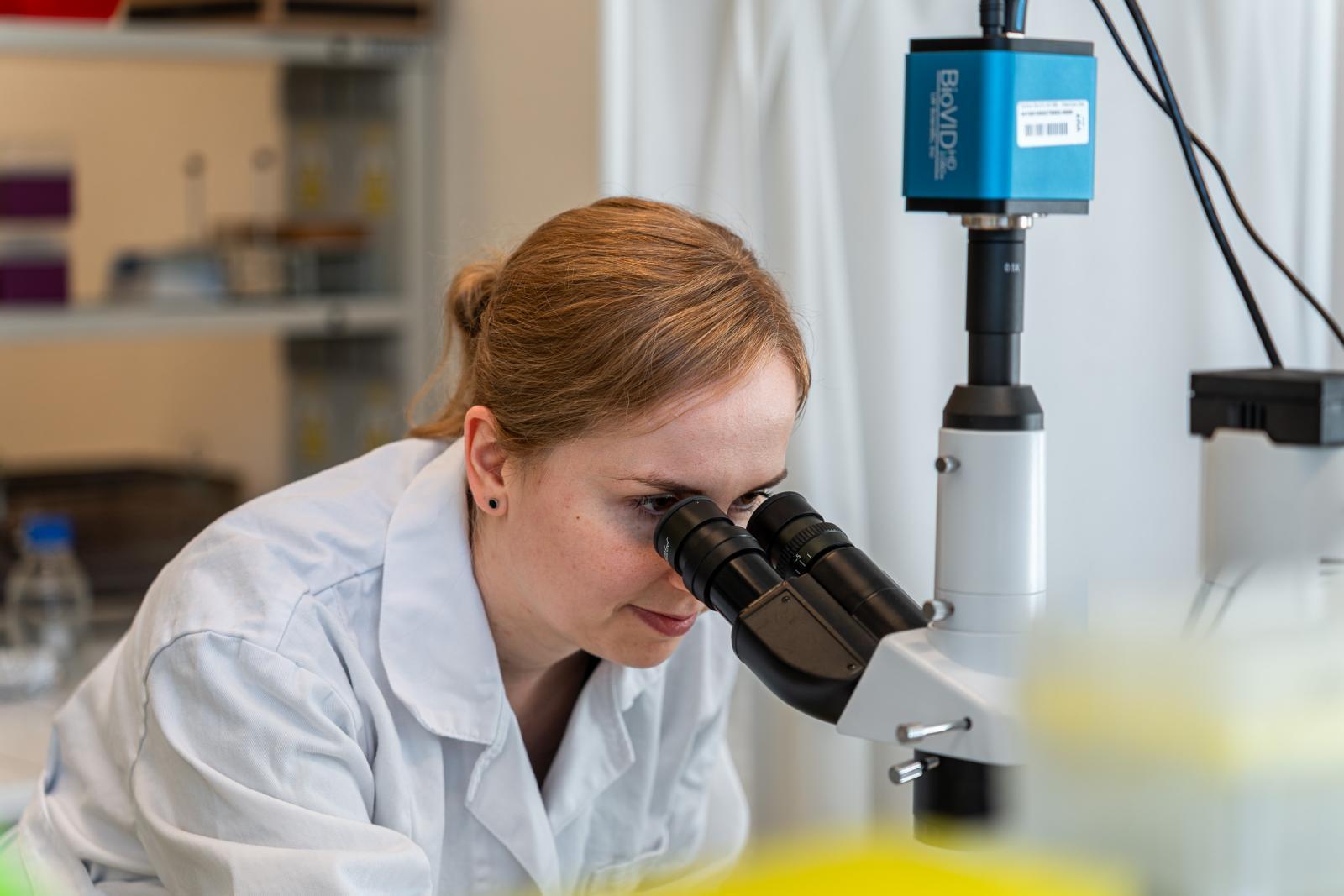
Your project is called Y-VISTA: Yeast Variability: Interplay of Storage, Tension and Architecture. How would you explain its main idea to someone without a scientific background?
We can imagine a cell as a small factory that can multiply and grow during a biotechnological process, producing various substances along the way. And these substances can be valuable biotechnological products.
It depends on which product we are interested in. We might be interested in the entire cell biomass or in specific components, such as lipids, proteins, pigments, polysaccharides or other compounds.
How a cell grows and which substances it can produce depend on its genetic makeup and the environment in which it lives. When we expose it to stress, its growth may slow down, and the cell responds by changing its metabolism. Sometimes this is exactly what we want, because under stressful conditions, the cell may begin producing certain substances of interest more intensively.
Our project investigates how the mechanical properties of cells relate to all of this. In other words, we are interested not only in which substances a cell contains and produces, but also in how strong its cell wall is, what pressure exists inside the cell and how well it withstands different conditions.
Why did you choose yeast as the focus of your research?
Yeasts, and microorganisms in general, are amazing cellular factories. They are incredibly diverse, and we can use them to produce a wide range of substances. When people think of yeast, they often imagine only the kind used to make bread or beer. But there are many other species with fascinating properties.
Personally, I am very interested in the variability between different species of yeasts and filamentous fungi (moulds). During my time in Norway, among other things, I worked with a filamentous fungus capable of accumulating lipids amounting to approximately 80% of its biomass by weight. When I saw just how much it could produce, I began wondering why there were such large differences between individual strains, to what extent we could induce changes within a single microorganism, and how we could use this in biotechnological production.
Why can one microorganism accumulate such large amounts of lipids while another cannot? How is this related to the cell wall, changes in its structure and the internal pressure of cells? How could we help cells become more resilient or more active? These are the questions that gradually led me to the idea behind the Y-VISTA project.
What is innovative about your research approach, and where could the results find practical applications?
The main innovation lies in bringing together several different perspectives on cells. We want to combine the study of their mechanical properties, metabolic activity and viability.
Yeasts are used, for example, in the food and pharmaceutical industries, as well as in other areas of biotechnological production. I see great potential in optimising biotechnological processes themselves.
Imagine, for example, cells that accumulate a particular valuable substance. If we can increase the amount they produce by adjusting the conditions appropriately, we can achieve a higher yield. Alternatively, if we can increase cell resilience and make production more efficient, we can improve the sustainability and economic viability of the process.
Our project focuses primarily on basic research. First, we need to understand the underlying mechanisms, and only then can we consider specific applications.
From a scientific perspective, it would be a major success if we managed to uncover a previously undescribed mechanism directly related to the variability of yeast cells and modifications to their architecture, which could then be directly applied to improve biotechnological processes.
But I would also like to emphasise another aspect: the human factor. The project will involve young researchers and PhD students. For me, it would also be a great success if working on the project helped create an environment that encourages critical thinking, independent research and the motivation to continue pursuing a scientific career.
How do you plan to lead your team, and how much room will PhD students have to develop their own ideas?
Above all, it was important to bring together different areas of expertise in a meaningful way. Good communication, a positive team atmosphere, regular meetings and keeping everyone informed are very important to me.
I would like us to communicate openly, to be able to discuss negative results as well, and to give individual team members the opportunity to contribute their own ideas and develop their potential.
I consider one of the main goals of doctoral studies to be learning how to think critically, take initiative and approach scientific problems independently. It is important that students understand why they are doing something, know how to interpret their results and think independently about what to do next.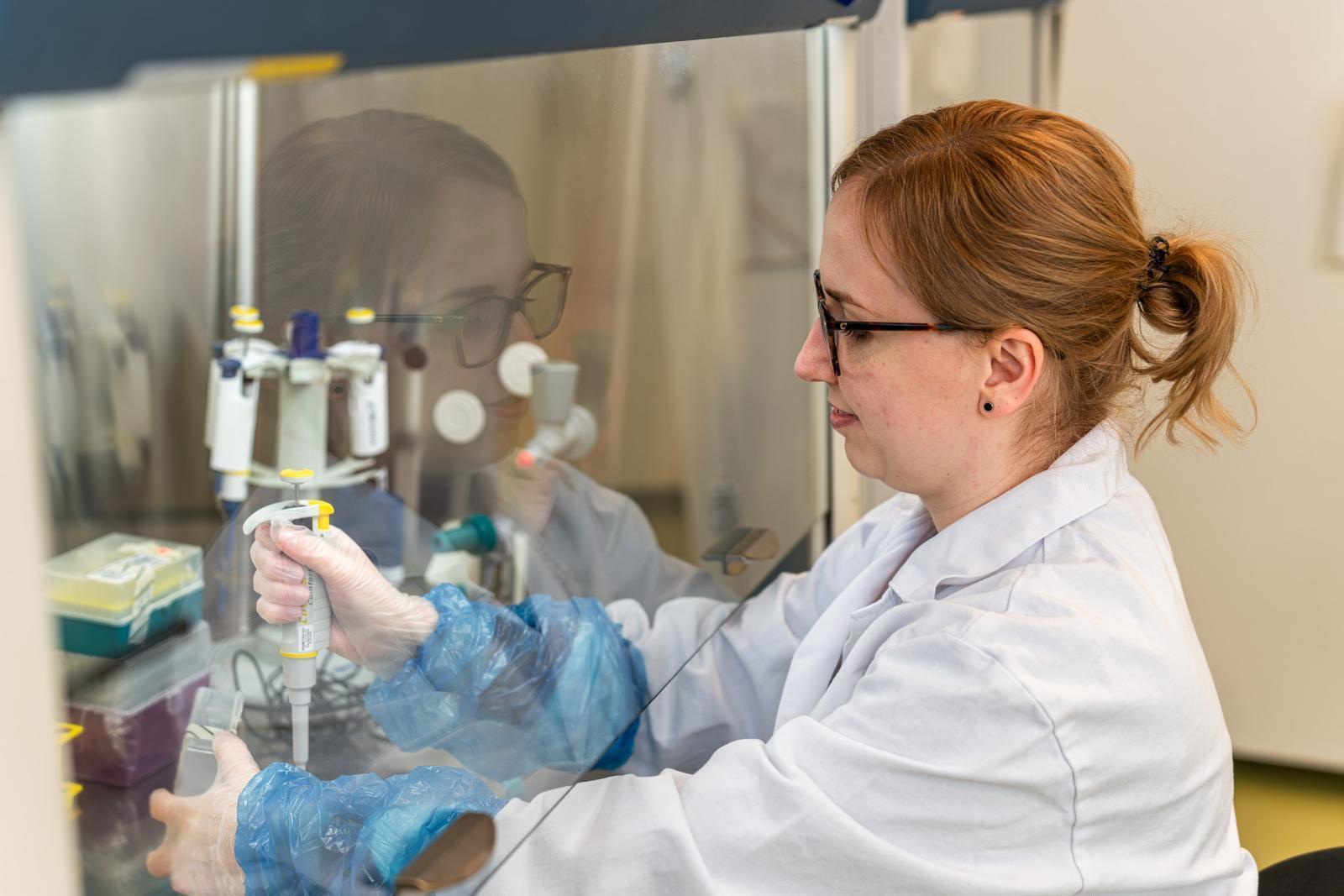
Was a scientific career always an obvious choice for you?
It was definitely a gradual process. I was interested in natural sciences even during primary and secondary school, but I did not have a clear idea from the beginning that I wanted to pursue a scientific career.
An important experience for me was working on my university theses. That was when I began to understand how research works and realised that it is a very creative process.
Gradually, I realised that I could not really imagine a job where I would spend every day from eight to five in the same place doing the same thing. That is precisely why I decided to continue with doctoral studies.
You spent a significant part of your scientific career in Norway. What did this experience give you?
I spent almost six years in Norway, starting in 2017, first as a PhD student and later as a postdoctoral researcher. It was a very important period for me because I gained a great deal of scientific experience and had the opportunity to work in an international environment. Beyond laboratory research itself, I also learned a lot about how international projects operate, collaboration between research institutions and the organisation of scientific work.
The greatest benefit was the people I met, the colleagues I could learn from and the friendships we have maintained to this day. I also had many opportunities to travel, whether to conferences and courses through work or in my free time.
What do you enjoy most about scientific work?
Definitely the variety. I really enjoy the fact that the work is not routine and involves so many different activities.
Sometimes you work in the laboratory, other times you analyse results or prepare a scientific paper or project proposal. Then you have teaching duties, work with students and discussions with colleagues. I also enjoy the fact that you are constantly learning something new. New methods, findings and questions keep emerging, and we are always trying to find answers.
What advice would you give young researchers who want to pursue their own scientific careers?
I would definitely advise them to be proactive and try to gain experience at several research institutions. They should not spend their entire careers at just one institution and should not be afraid to seek out new experiences.
International experience is extremely valuable, but I would not want this to suggest that high-quality research can only be conducted abroad. There are also many excellent research institutions in the Czech Republic.
Above all, it is important to broaden your horizons, meet new people and learn from different environments.
What would you like readers to take away from this interview?
I would be happy if this interview helped reinforce our belief in the enormous importance of basic research. It is precisely through understanding fundamental principles that the greatest discoveries emerge, discoveries that later transform our everyday lives.
At the same time, I would like to show that scientific work can take many different forms and that it is possible to find a balance between work and family life while building a scientific career.
Thank you for the interview, and we wish you every success as you continue your research!
-jo-
Source: FCH BUT
Researchers at FCH BUT are pioneering future materials: A conductive hydrogel connects biology and electronics
From uncertain beginnings in chemistry to a prestigious award. A young scientist from FCH BUT won the Czech Head Award for her research into unusual forms of DNA
Cheaper, better quality and eco-friendly. FCH BUT researchers create new dextrin adhesive
PhD student Patrik Sokola from FCH BUT on research into photocurable suspensions: I enjoy the wow effect when making new discoveries
How to give plastics a second (and third) life: Research at FCH VUT may change sorting and recycling