People
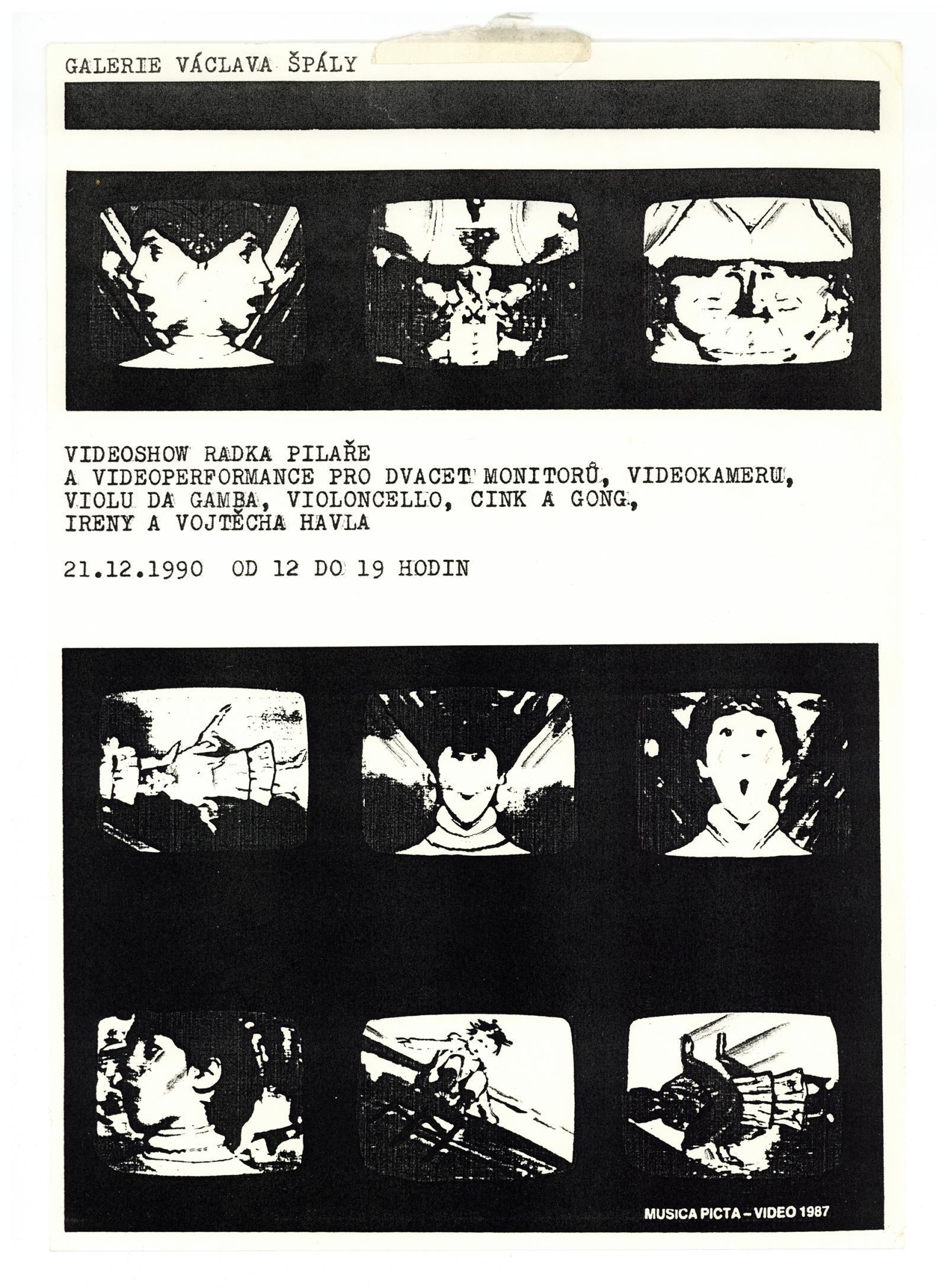
The co-founder of BUT's Video Art Studio Radek Pilař would have turned 95 today

From Modernism through Rumcajs to Video Art
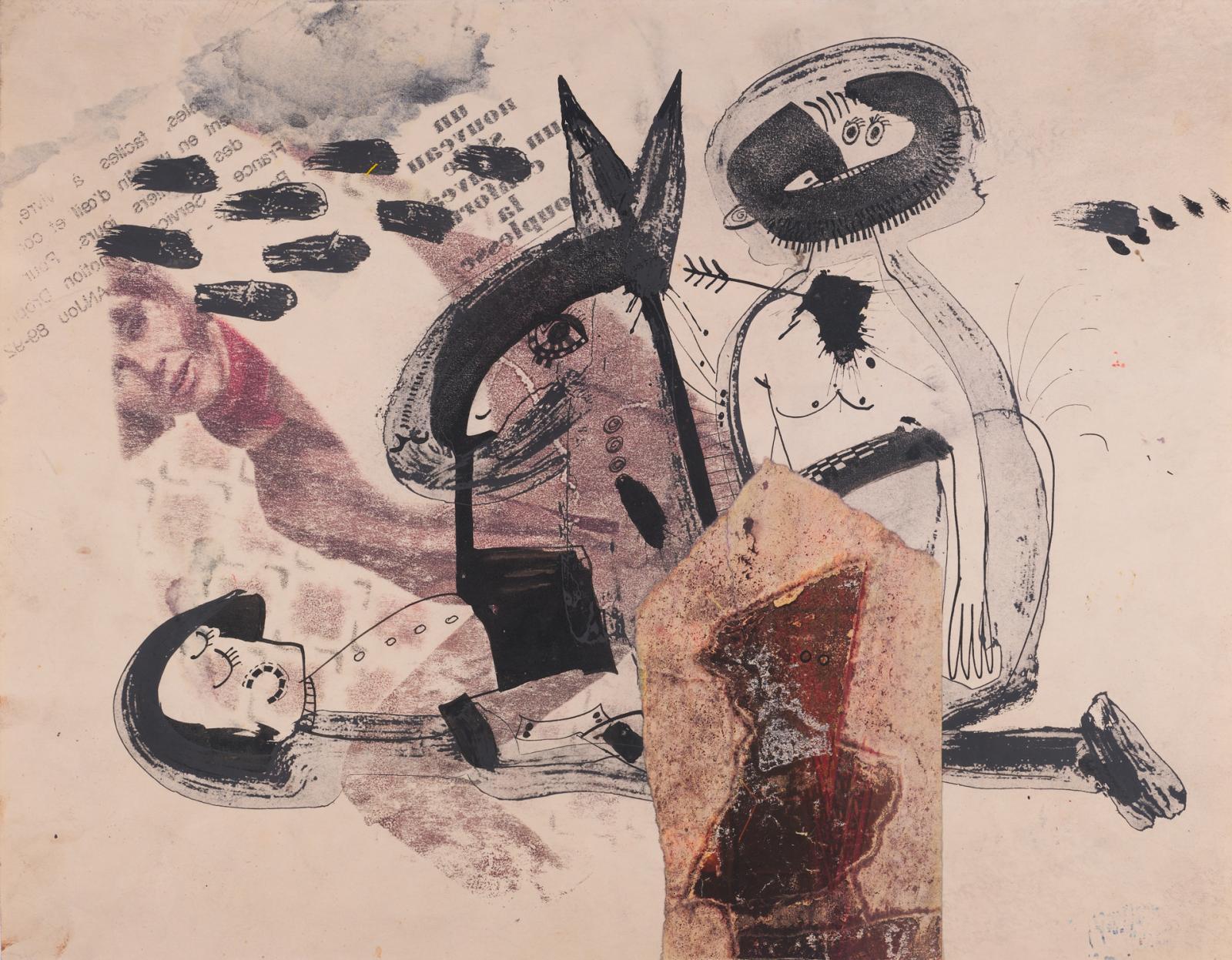
Radek Pilař was born on April 23, 1931, in Písek. Even during his studies, he moved away from realistic landscape painting, and after a brief period of seeking the poetry of everyday life, his exposure to Western art convinced him that a painter can use all possible methods and media for self-expression, including photography and film. He began experimenting with unconventional materials and incorporated found objects into his works.
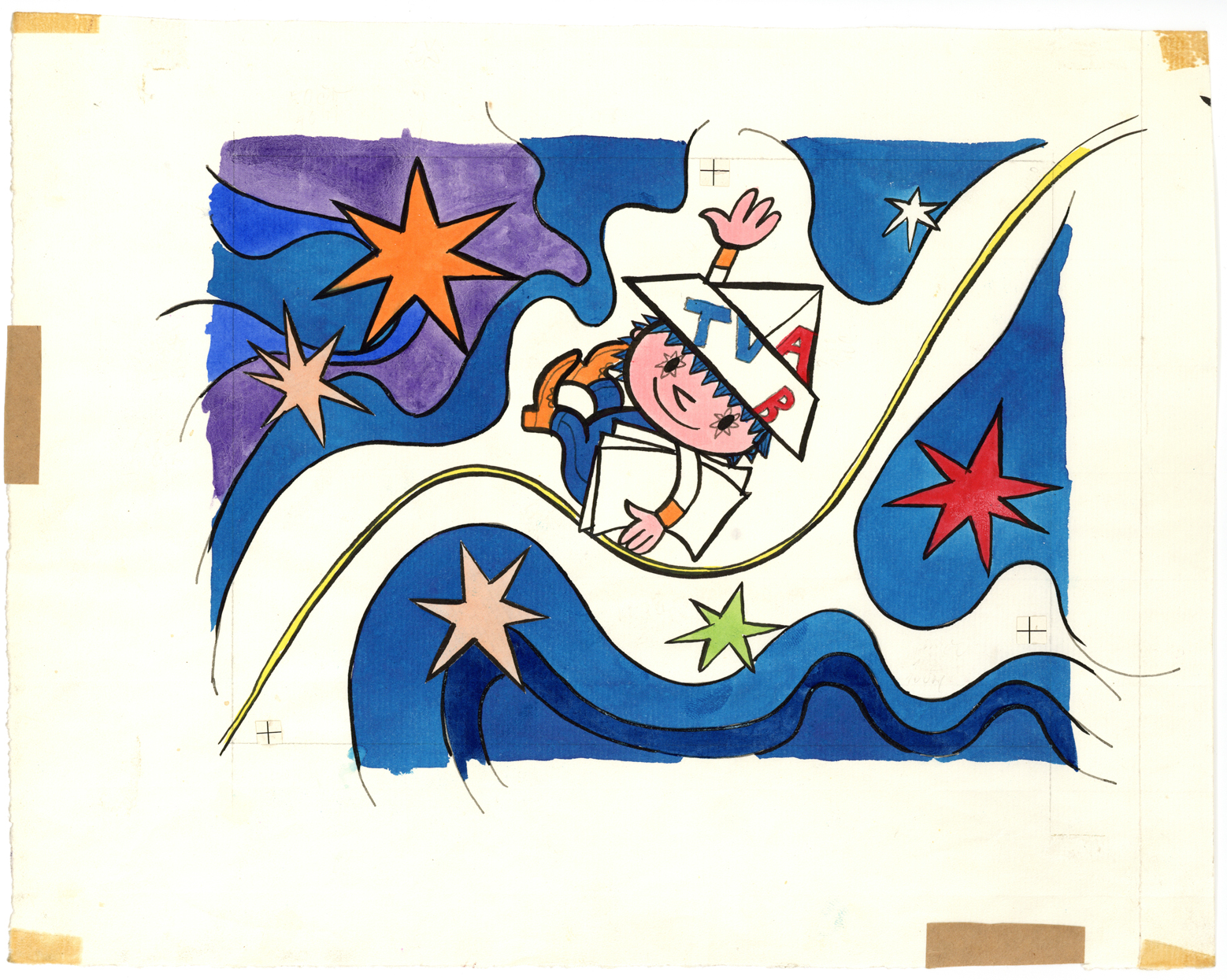
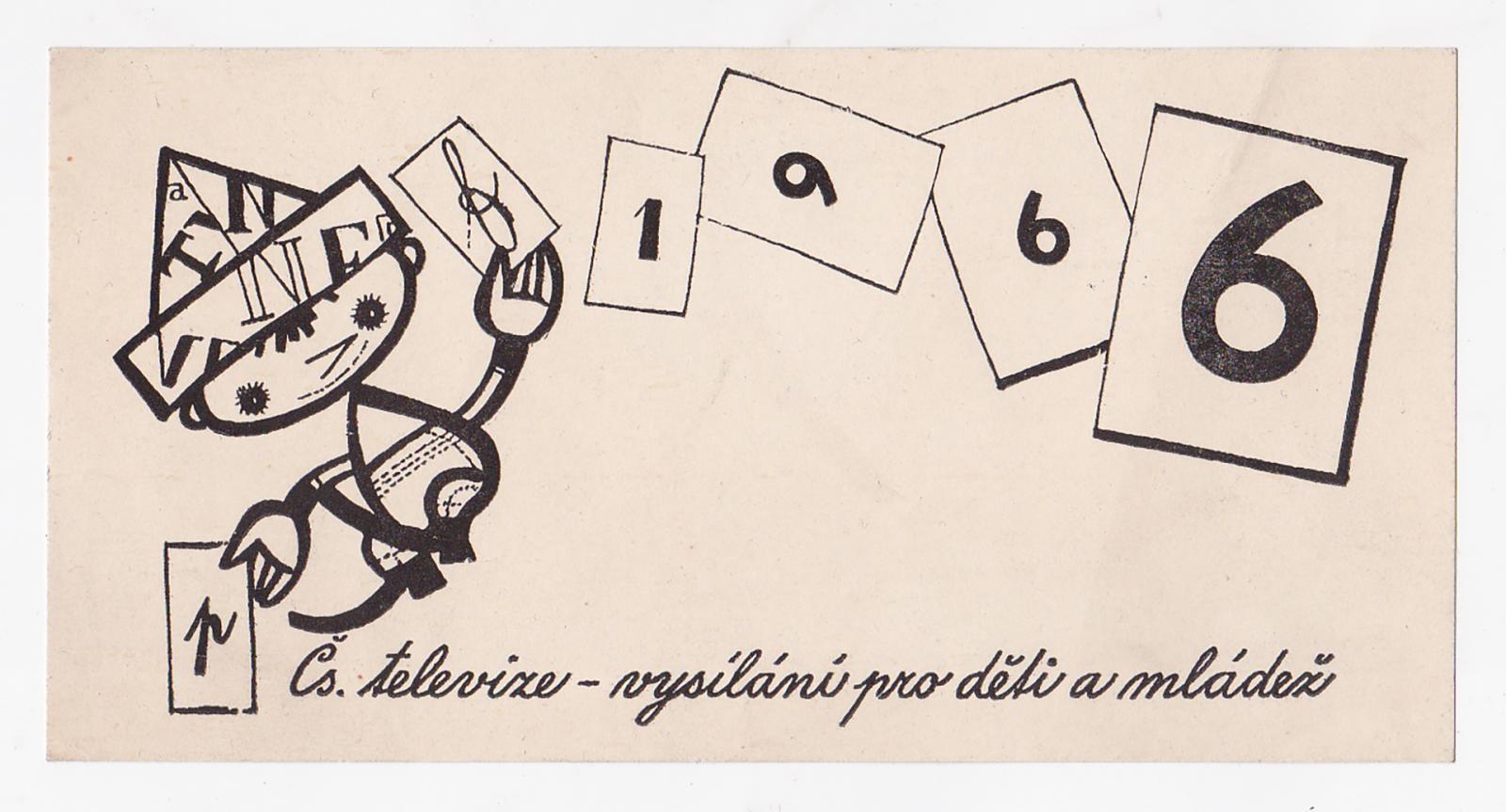
In the mainstream, Pilař is best known for his work for children. His greatest popularity came from characters in the stories “O Rumcajsovi” and the iconic Večerníček. He also co-founded the magazine Sluníčko, contributed to Mateřídouška, and his illustrations appeared in dozens of children’s books and coloring books.
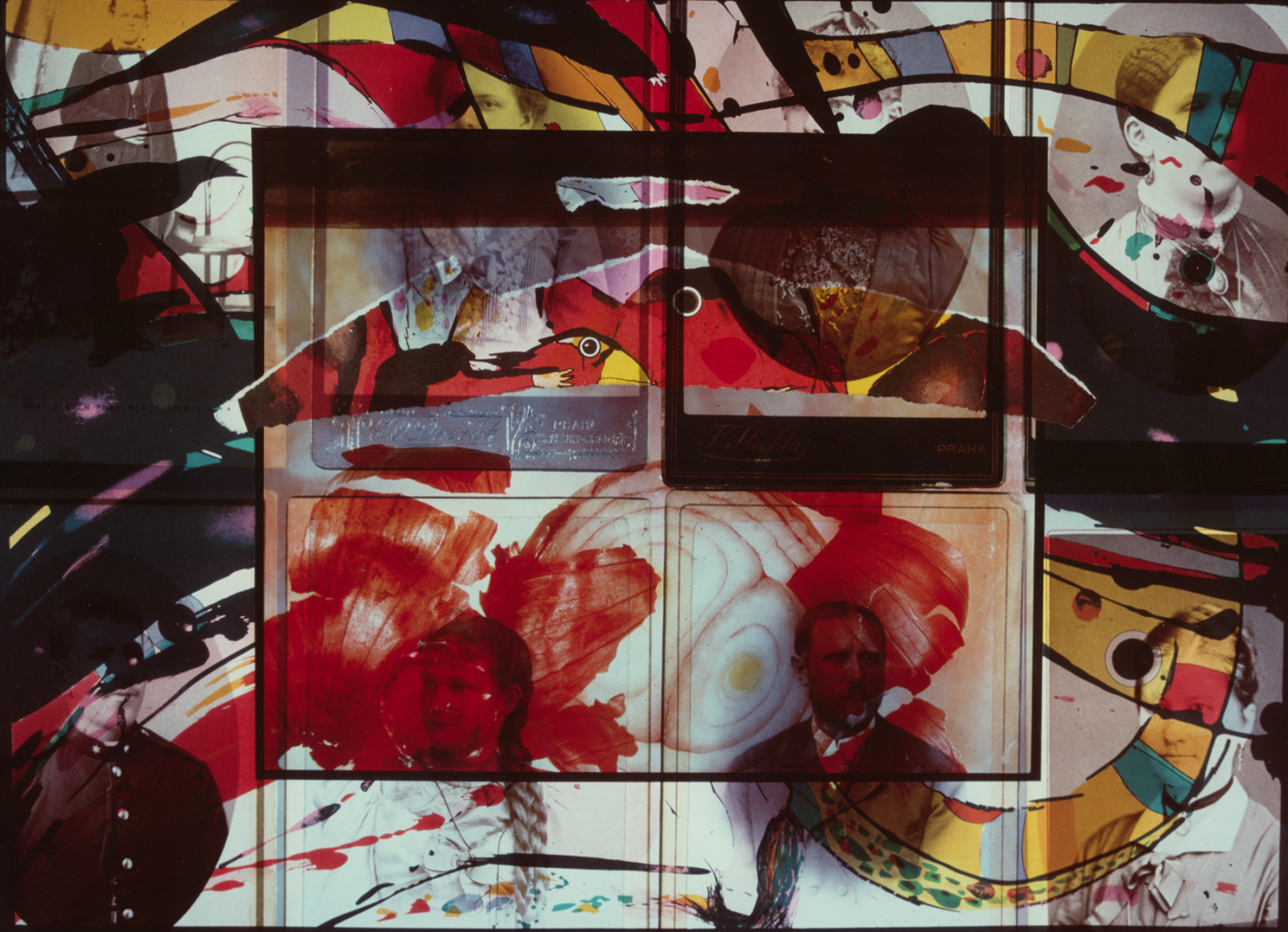
His goal was to speak the contemporary language of the “visual age.” Alongside his work for children, he devoted himself in the privacy of his studio to combining painting, photography, and film, which was no easy feat, as the necessary technologies and materials were not readily available to individuals in Czechoslovakia at the time. Throughout his life, he pushed the boundaries of traditional art, sought new forms of expression, and his work extended into the fields of technology and industry.
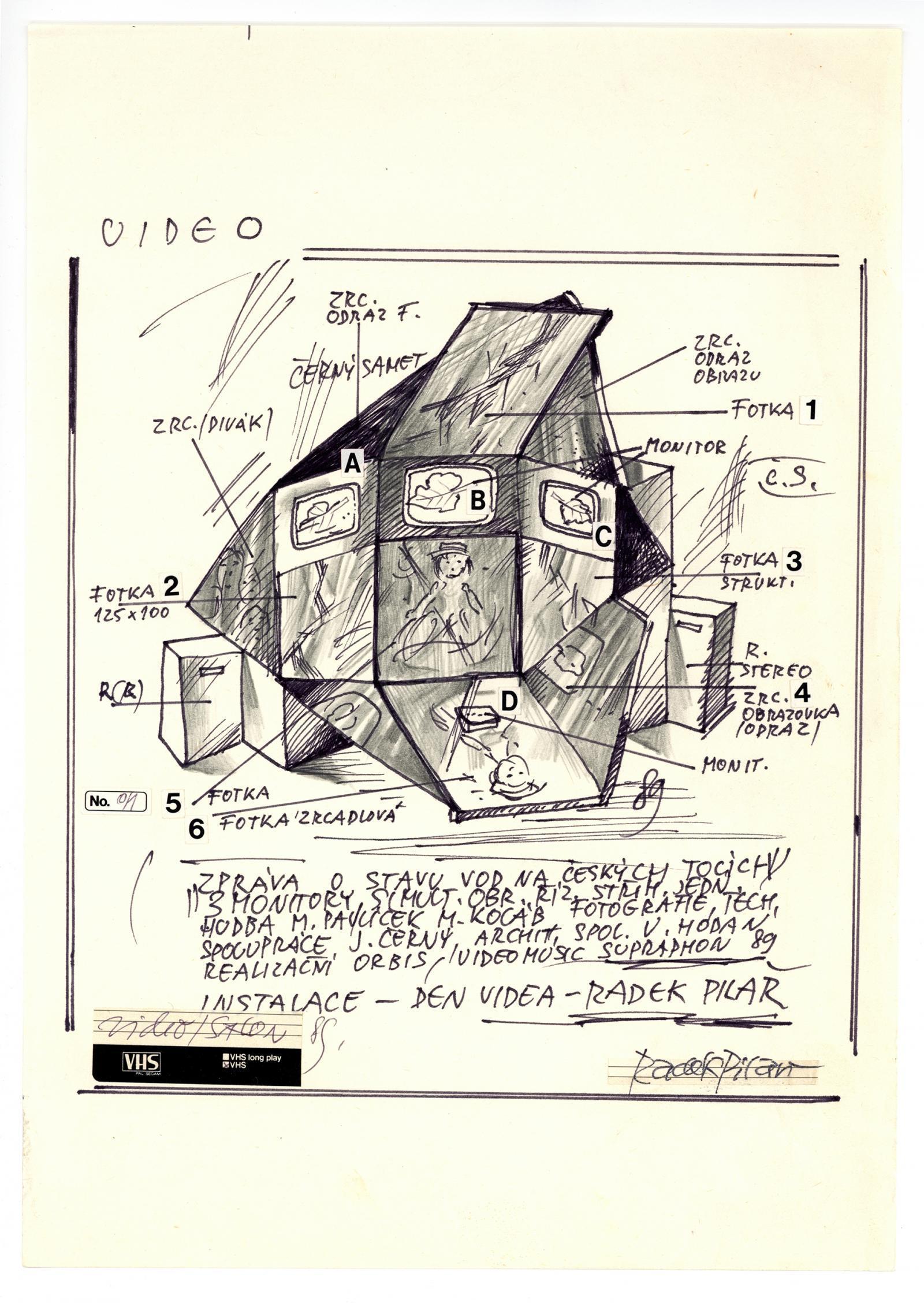
In 1963, he was captivated by British Pop Art, which he encountered at the International Biennial of Young Artists in Paris—in his diary entries, he notes that he was able to breathe in “innovative air.” He was also intensely interested in the intersection of art and new technologies. The hand-made films of animator and director Norman McLaren inspired him to create his own experimental films. To this day, Pilař is considered one of the founders and pioneers of Czech video art.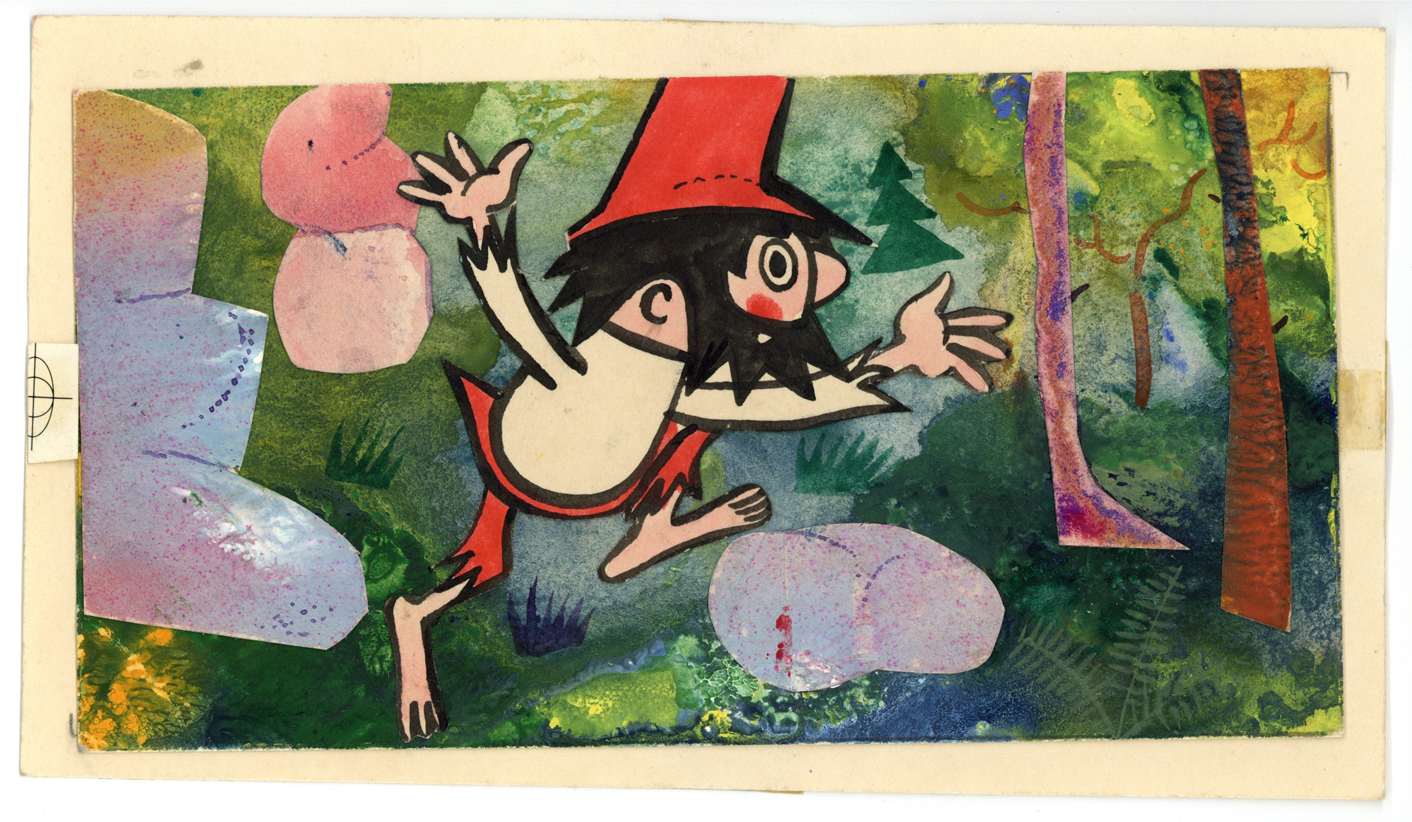
The Establishment of the Video Art Studio at BUT
An important milestone for the development of Czech video art was the creation of a foundation for educating a new generation of artists, which, after 1989, coincided with efforts to establish art universities in the Czech Republic. In 1990, Pilař was instrumental in the founding of the Department of Animation and Video at FAMU and the Association of Video and Intermedia Art.
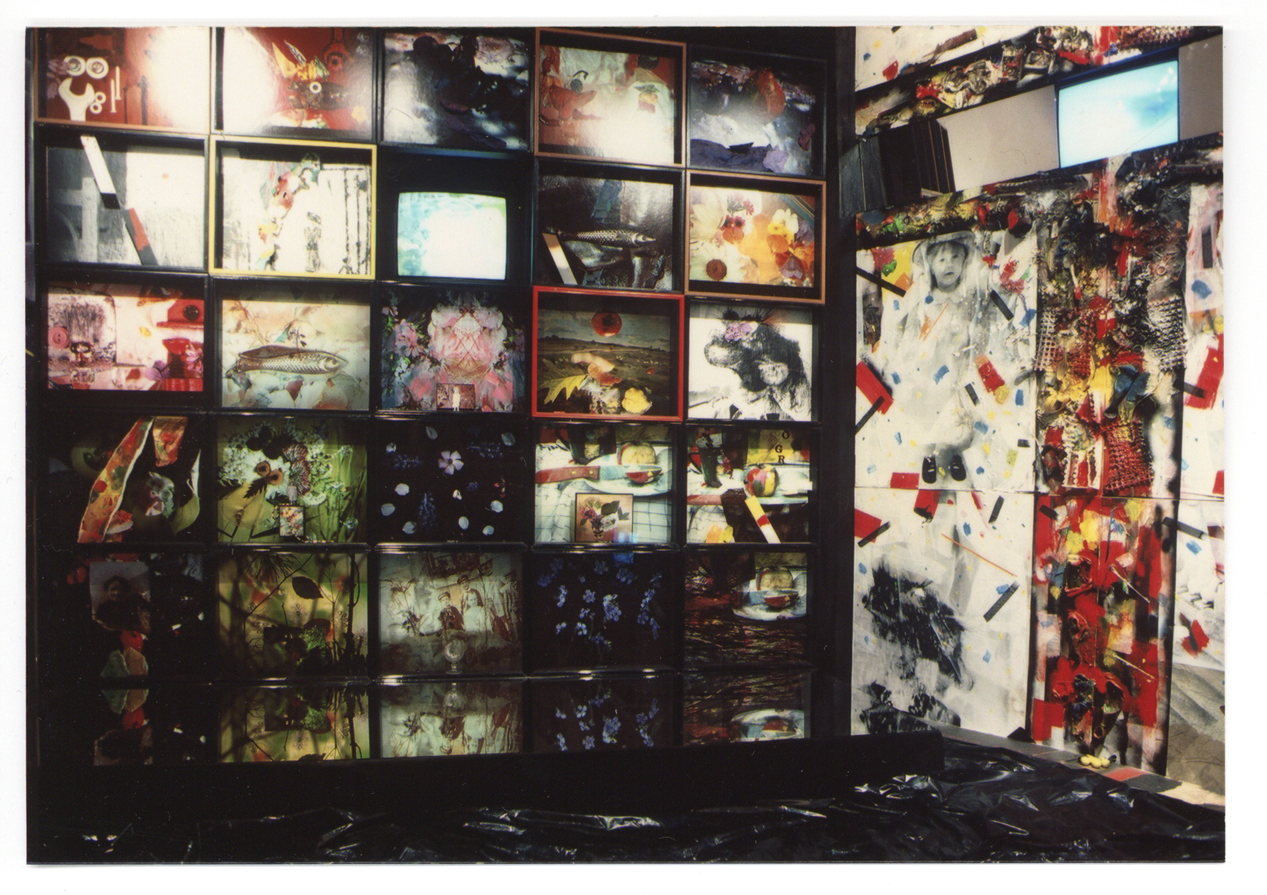
In Brno, Pilař, together with artist and later dean of the faculty Tomáš Ruller, formed the Studio for Video and Multimedia Animation (later known as the Video Art Studio) for the newly established Faculty of Fine Arts at Brno University of Technology (FFA). It focused on a wide range of disciplines, from interactive and action art to performance.
According to Tomáš Ruller, the beginnings of the Video Art Studio were modest. “At first, the studio had only a room and three easels with drawing supplies and packing paper,” he describes on the website of the now-defunct Performance Studio. "The introductory assignment given to newly admitted video art students was to draw still lifes featuring old television screens, which served as the basis for later sequencing into series for traditional animation," adds Ruller. 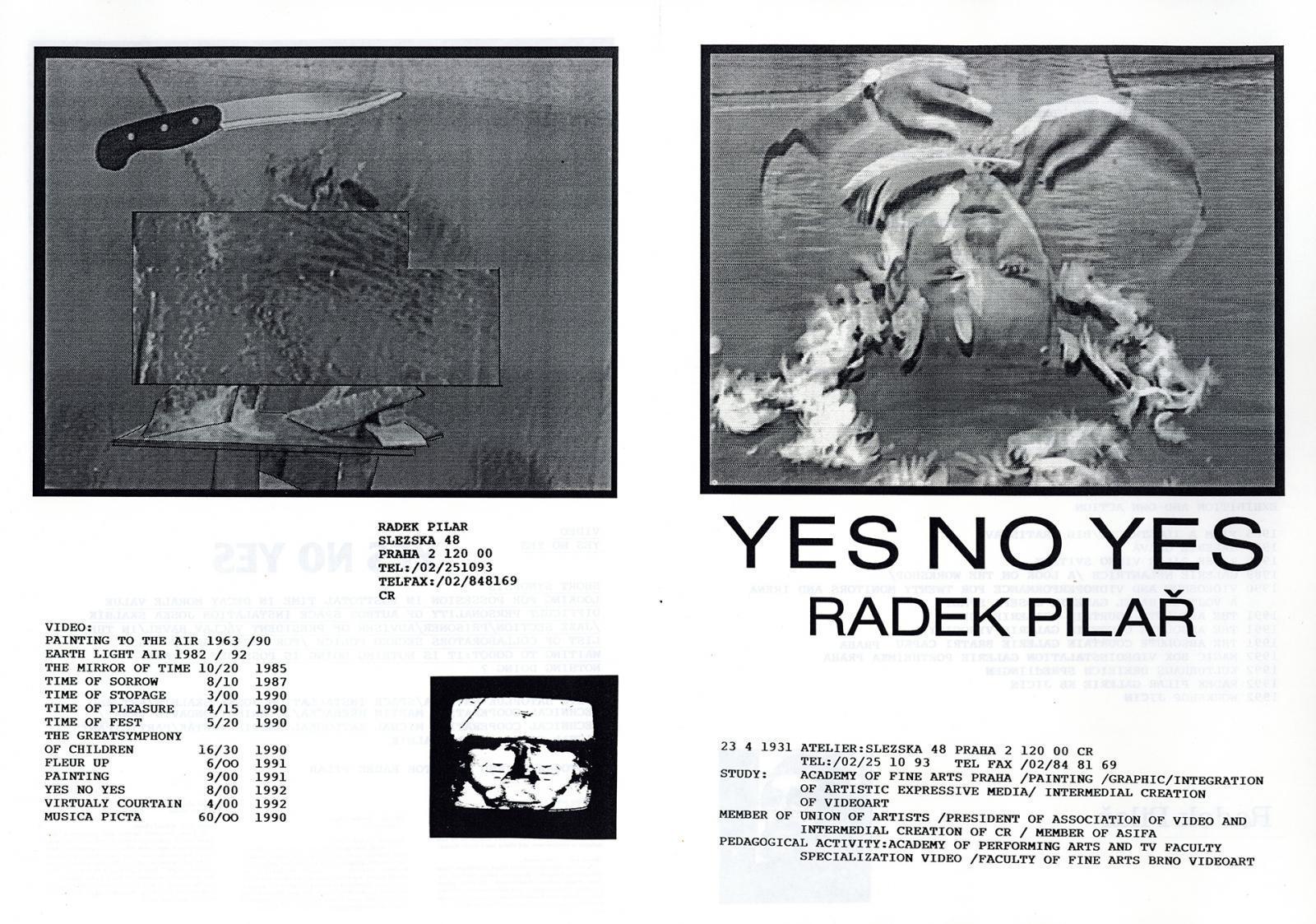
Radek Pilař’s Archive and the Preservation of His Legacy
Radek Pilař died suddenly at the end of the studio’s first semester. Ruller took over the leadership and transformed it into the Video-Multimedia-Performance Studio, where the leading figure of video art, Woody Vašulka, also served as a guest artist. The original studio no longer exists, but teaching and projects in the field of video art continue at the faculty, for example through the Performance Studio, the Video Studio, or the Intermedia Studio. Today, FFA students are also beginning to rediscover Pilař’s concept of video art as “painting with a camera”.
FaVU is also involved in preserving the artist’s legacy for future generations. The Radek Pilař Archive was established under the leadership of Pavel Ryška from the FaVU Audiovisual Technologies Department in collaboration with Pilař’s daughters and with the support of the Prague City Hall. The aim of the project was to organize Pilař’s estate and make it accessible in the form of a visual web catalog.
“Currently, the project is continuing with the processing and digitization of the artist’s writings – diaries, correspondence, scripts, and other documents,” describes Pavel Ryška, noting that digitizing the manuscripts will prevent the degradation of the fragile paper while also making the archival documents accessible to other researchers. “I expect that a thorough examination of written sources will deepen our understanding of Pilař’s fine and applied art and contribute to an understanding of the social and economic context of artistic practice from the 1950s to the 1990s,” he adds. 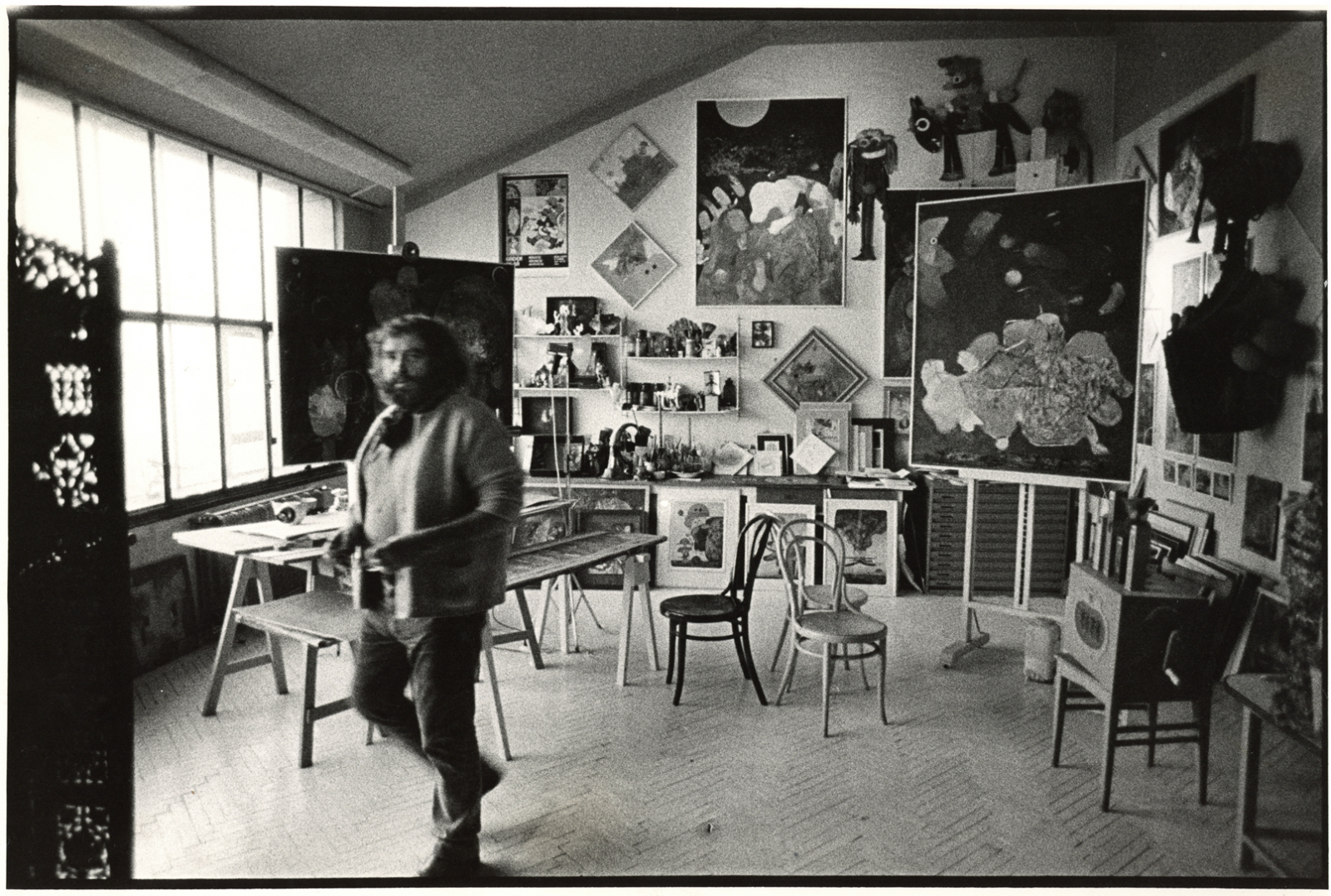
Pilař did not like to call his work “video art” or “art.” According to quotes in his biography on the archive’s website, he saw it rather as a means of communicating with people and creating a new language in the age of new media. He viewed video as a medium both poetically and soberly.
Radek Pilař left behind illustrations in more than fifty children’s books published around the world. He also created around forty short films and children’s TV shows, produced over thirty video recordings and video art pieces, and his works were featured in more than forty solo exhibitions. Although he died prematurely, his legacy lives on. Whether in works that appeal to new generations of children and artists, or in institutions such as FaVU, which he helped shape.
_________
Author’s note: Many thanks to Dr. Pavel Ryška for reviewing the text and kindly providing materials from the Radek Pilař Archive.
We are probably wouldn't recognize ancestors from prehistoric times on the street, says sculptor Ondřej Bílek
Companies get rid of waste, students get material for work. A recycling station has been set up at the FFA BUT
Women from BUT who move the world of science and technology
You have to have an open mind to play my game – says the author of the successful video game afterglitch
She designed a board game from the gothic universe, now a graduate of a FFA is motivating other game developers