Topic
Urbex Vault: an app that aims to change the way the urbex community shares information
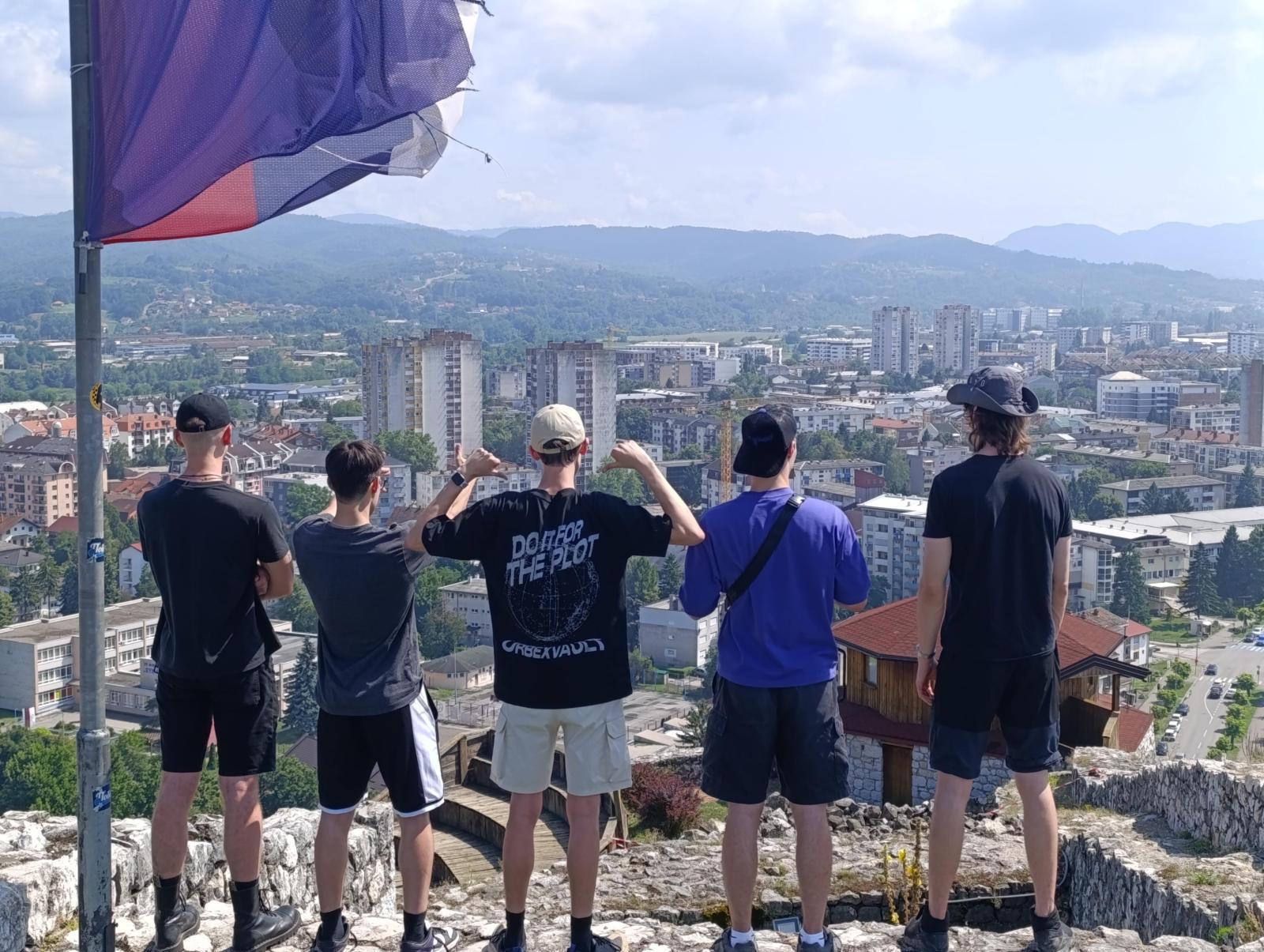
How can information about abandoned places be shared in a meaningful way without the publication of such details leading to their destruction? A group of university students from Brno has created UrbexVault – a mobile app designed specifically for the urban exploration community. The project offers a tool for creating custom maps of locations and a space for sharing up-to-date community data. It also respects the unwritten rules of urbex, which is perhaps the most important aspect for its creators. Following the project’s success in the Brno University of Technology competitions Idea Challenge@FIT and BoosterChallenge VUT, the team is now testing the beta version of the app. And there’s plenty of interest.
“Our main motivation was to provide the urbex community with a tool for managing their own maps. At present, people use various unsuitable solutions, such as Google Maps. We wanted to come up with a solution that would be as effective and safe as possible,” states FIT VUT student Jan Železný right at the start of our interview with the app’s creators.
One of the last opportunities for exploration
What exactly is urbex and what makes the community around it so unique? Urban exploration, as the full name suggests, involves exploring and documenting man-made sites. “It covers an incredibly wide range of places: underground sites, abandoned ships, factories, churches… Personally, what appeals to me is the act of discovery itself. In these places, you can uncover all sorts of things – such as their history, their story, or objects that have been left behind,” says Železný. His colleague Adam Kopřiva emphasises that it is an expression of human freedom: “It’s not an organised tour; it’s entirely up to me what I discover about the place and what I’ll try to find there.” A third interviewee, Oleksandr Teslja, also a student at FIT VUT, adds his perspective on the meaning of urbex: “I’m drawn to the story of a place, to searching for the reasons why it ended up abandoned.” Urbex is now an increasingly popular subculture which, in its purest form, seeks to resist commercialisation. After all, it is guided by the motto: “Take nothing but pictures, leave nothing but footprints, kill nothing but time.”
Urbex enthusiasts face a specific problem: they need to know whether a particular place still exists, what condition it’s in, what to expect when visiting it, or what equipment to take with them. However, they do not wish to disclose exact locations – too much publicity could attract vandals and hasten the site’s demise. And selling information goes against the very philosophy of urbex. It was precisely this paradox that led to the creation of the UrbexVault project.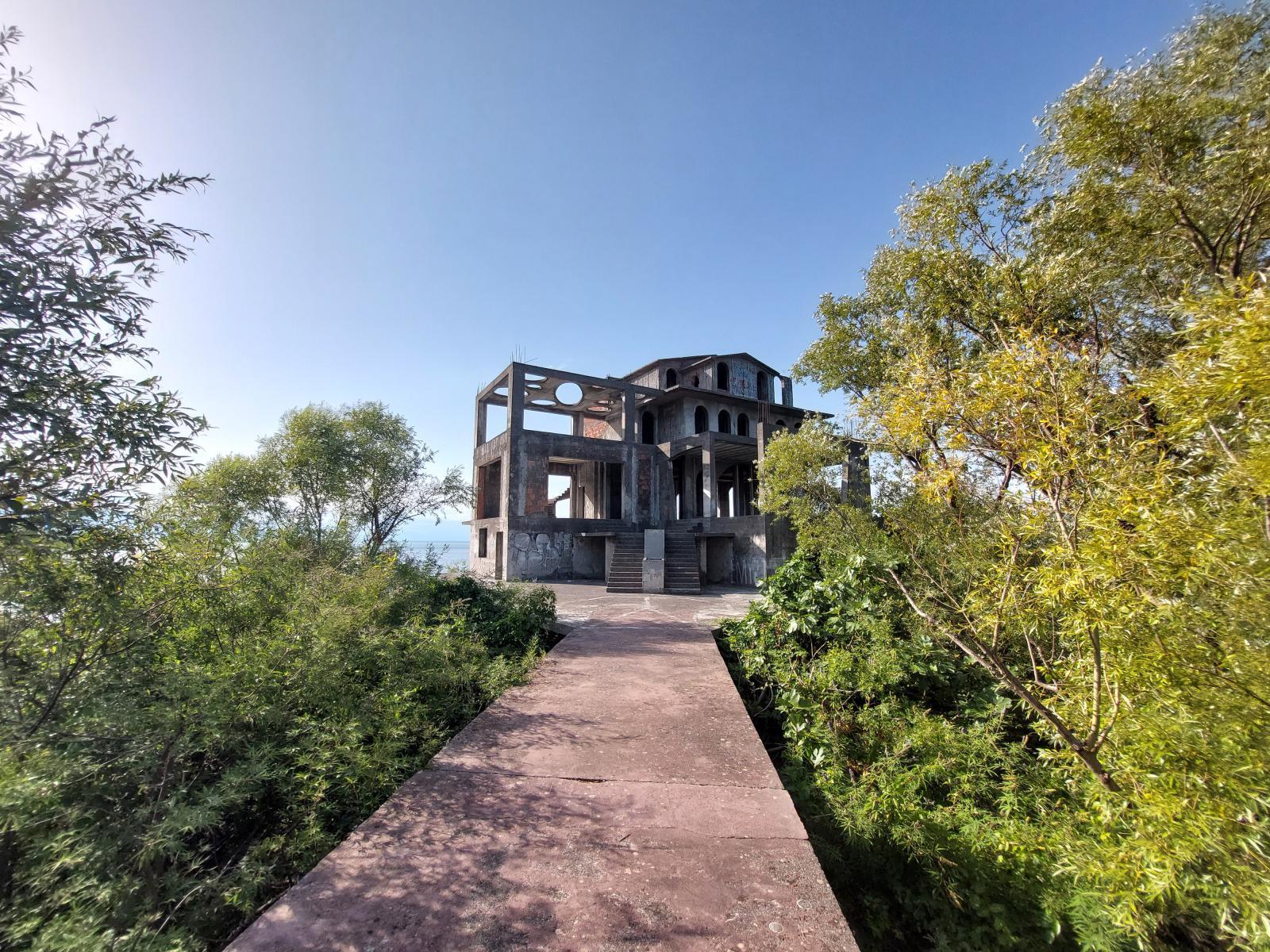
How to help the community
The five-member team – which, in addition to those mentioned, also includes Ondrej Grendár from the Faculty of Business and Management at Brno University of Technology and Karol Raffay from Mendel University – began working on the concept in the autumn of 2024. From the outset, they have designed the app as a tool created by urbexers for urbexers. “Adam, Karlos (Karol Raffay) and I met at FIT. We all wanted to do some programming, and we all enjoyed urbex. So the plan was clear,” says Železný with a smile, recalling the early days. “Right from the start, we were thinking about what tools we could use to help the community. There’s no app where you can enter information about locations and share it with a closed community,” emphasises Kopřiva. And existing solutions either sell information on a commercial basis or aren’t tailored to the needs of urban exploration. Either they do not restrict the sharing of information, or they do not use categorisation. Yet good categorisation of sites on the map and the subsequent ability to filter them are essential. “We, on the other hand, offer the key Vault feature, where you can share up-to-date information about locations only with those who already know them,” says Oleksandr Teslja, highlighting the app’s unique feature. UrbexVault is used by people who have already visited a particular location themselves – respecting the rules of urban exploration and knowing, for example, the location of a site is effectively the ticket to using it.
But how can this knowledge be verified? This is where the developers introduce a system feature of which they are particularly proud. They check whether three parameters match when information about a site is entered: GPS coordinates, site category and radius. “If they match, the query is linked to the database,” adds Železný. Matching locations was the biggest technical challenge for the app’s creators.
Map, safety, legality
At the heart of the app is a tool for editing a custom map, where users can organise the locations they have discovered. For each location, users can edit details such as its type, condition and difficulty level, recommended equipment, photographs or personal notes. All this is designed to ensure that no publicly accessible database of information is created.
When it comes to urban exploration, questions about compliance with the law are, of course, unavoidable. The creators themselves deny that the app could serve as a guide to unauthorised entry. On the contrary, it is intended to alert users to the risks, encourage the sharing of information about dangers, and emphasise respect for local laws. “This is user-generated content, for which we provide the framework. We have no control over what information users upload. But should a property owner ever come forward to highlight certain information, we are prepared to remove it immediately,” says Adam Kopřiva, describing a hypothetical situation. The creators highlight the great complexity of the legal context surrounding urban exploration, a topic they also cover on their blog. They themselves are striving to educate the community.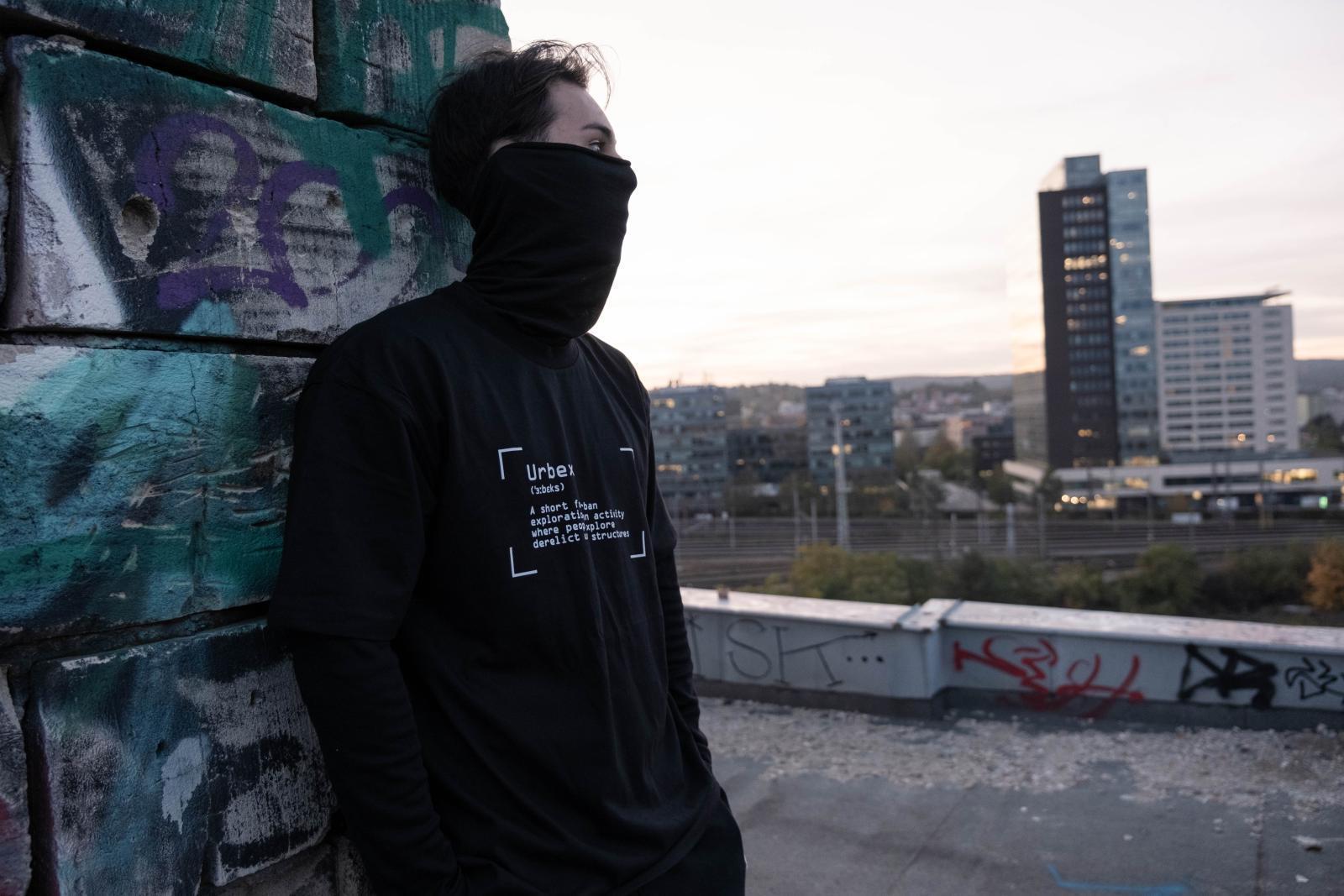
And what about the money?
The non-commercial nature of the project is an indisputable cornerstone for its creators. But how do they intend to ‘fund’ the development and operation of the app? Primarily through optional cosmetic (graphical) add-ons within the app, through the sale of merchandise (which, incidentally, also incorporates the aforementioned urbex motto) and through community contributions. “The app must remain free for everyone and ad-free; however, there will be cosmetic profile add-ons within the app, and by purchasing these, users will be supporting us. I’d also like to mention the social media platforms where we post educational content. We currently have over thirty thousand followers on Instagram,” says Adam Kopřiva, summarising the business model. In any case, before releasing the full version, the developers would like to run a Kickstarter campaign to cover the app’s first year of operation.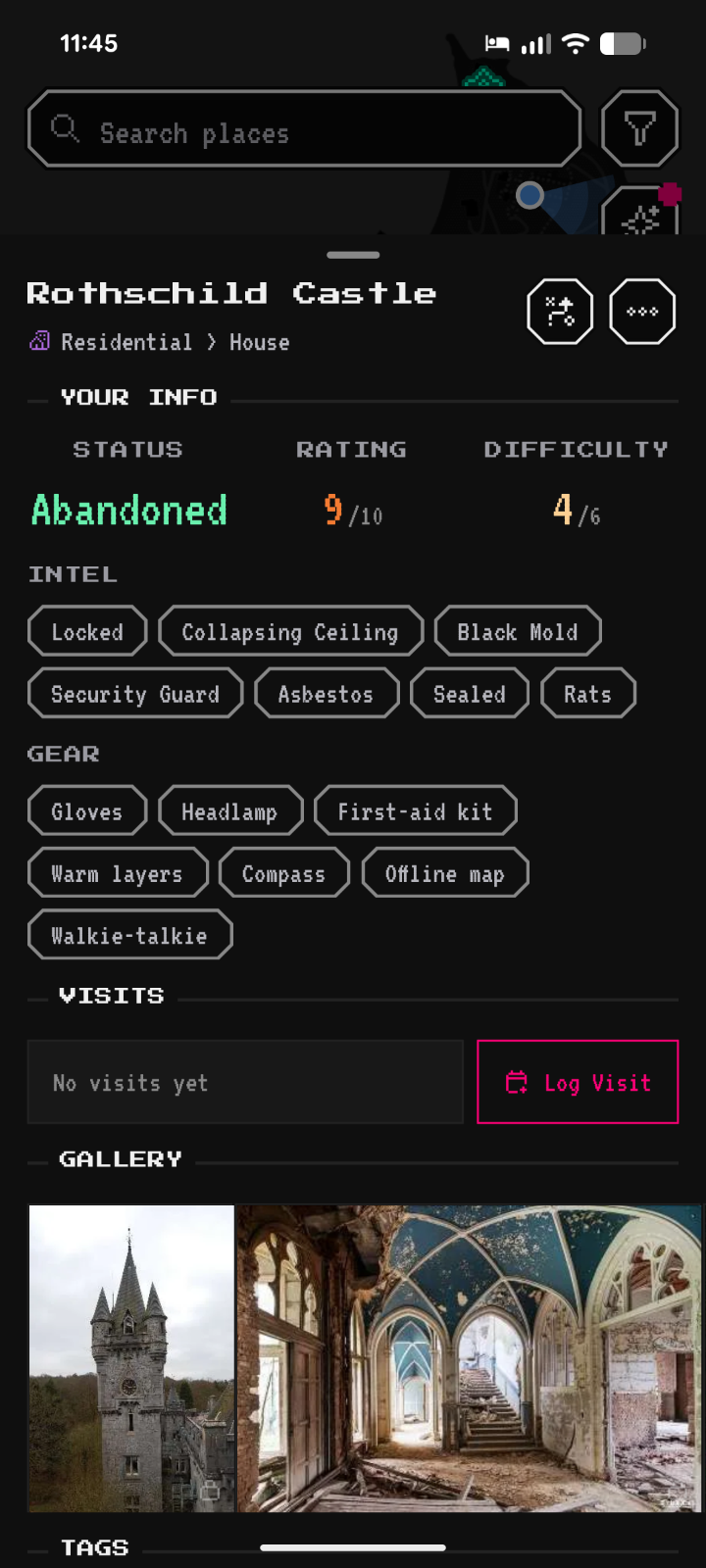
Photo: Archiv FIT BUT
Source: FIT BUT
ARGO underwater: Prototype of student submarine on display at IDET Fair
FIT BUT is helping to develop the Záchranka app
Doctoral students in engineering study the behaviour of the circulatory system. Neural networks also help them
Sensorie greenhouse wants to make growing vegetables at home the norm. It offers smart solutions for year-round harvesting
Tomáš Dacík focuses on static analysis of programs. For his work he received the Brno Ph.D. Talent