Ideas and discoveries
Live corals traveled by train from Vienna to Brno. Scientists uncovered their secret life
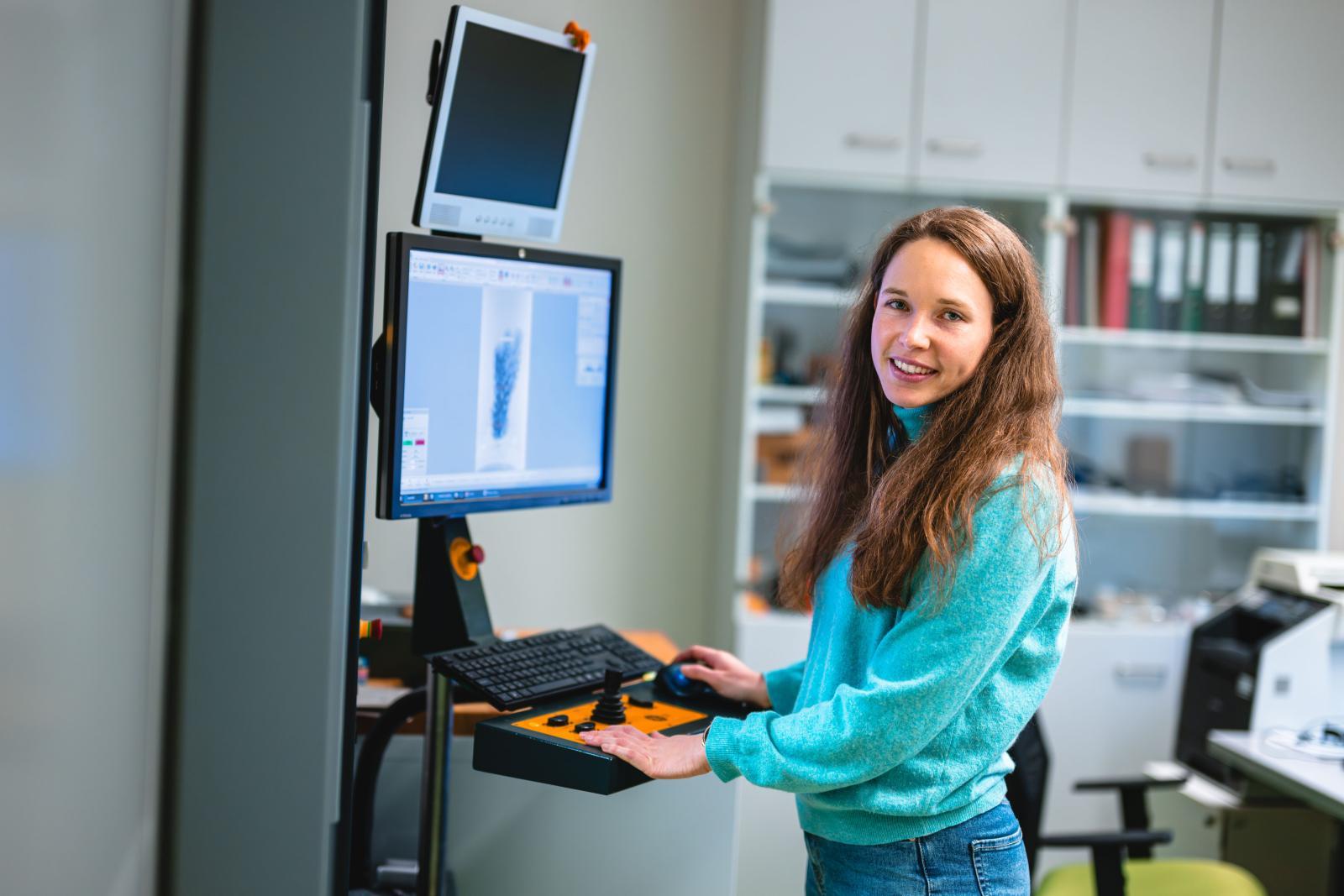
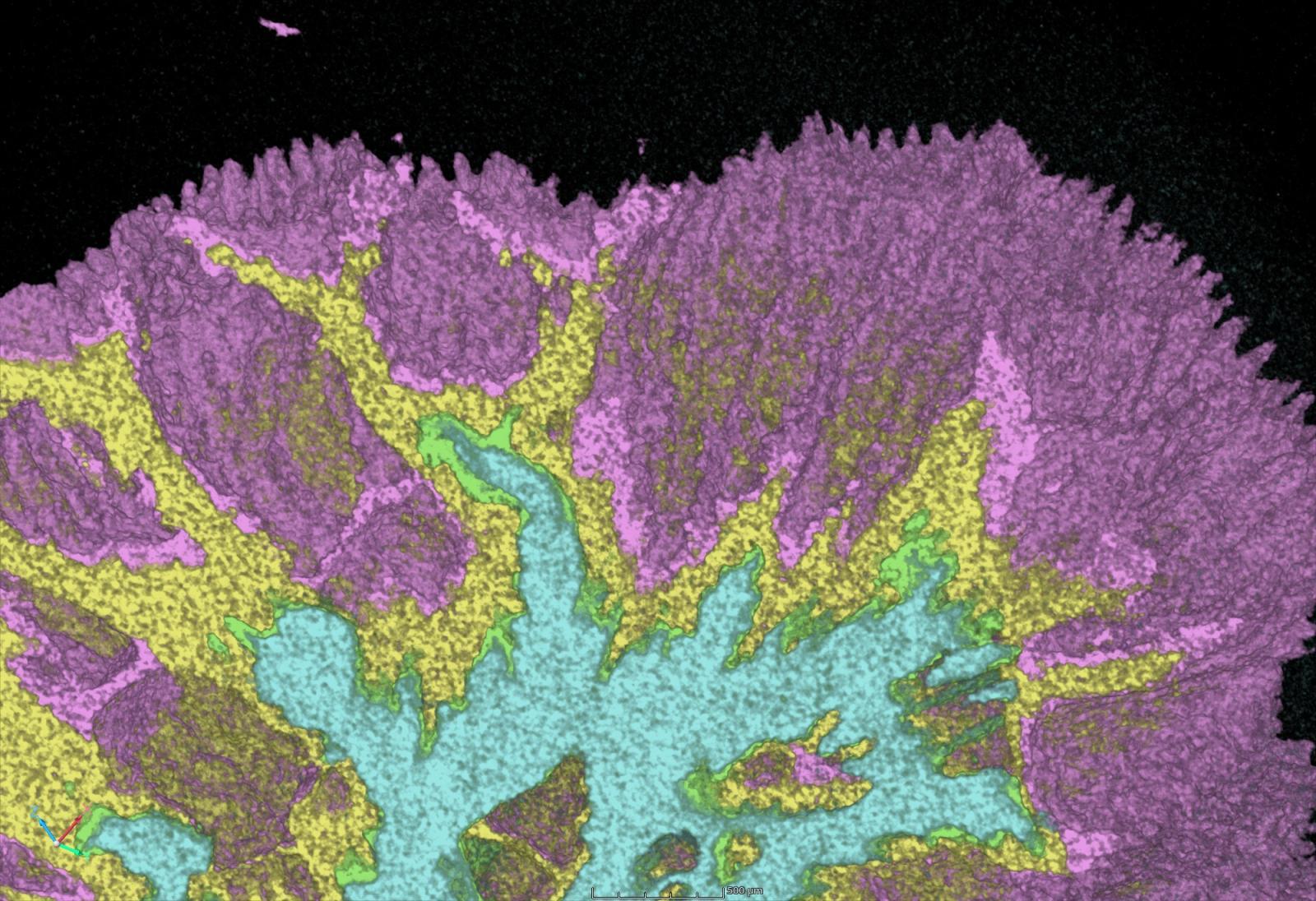
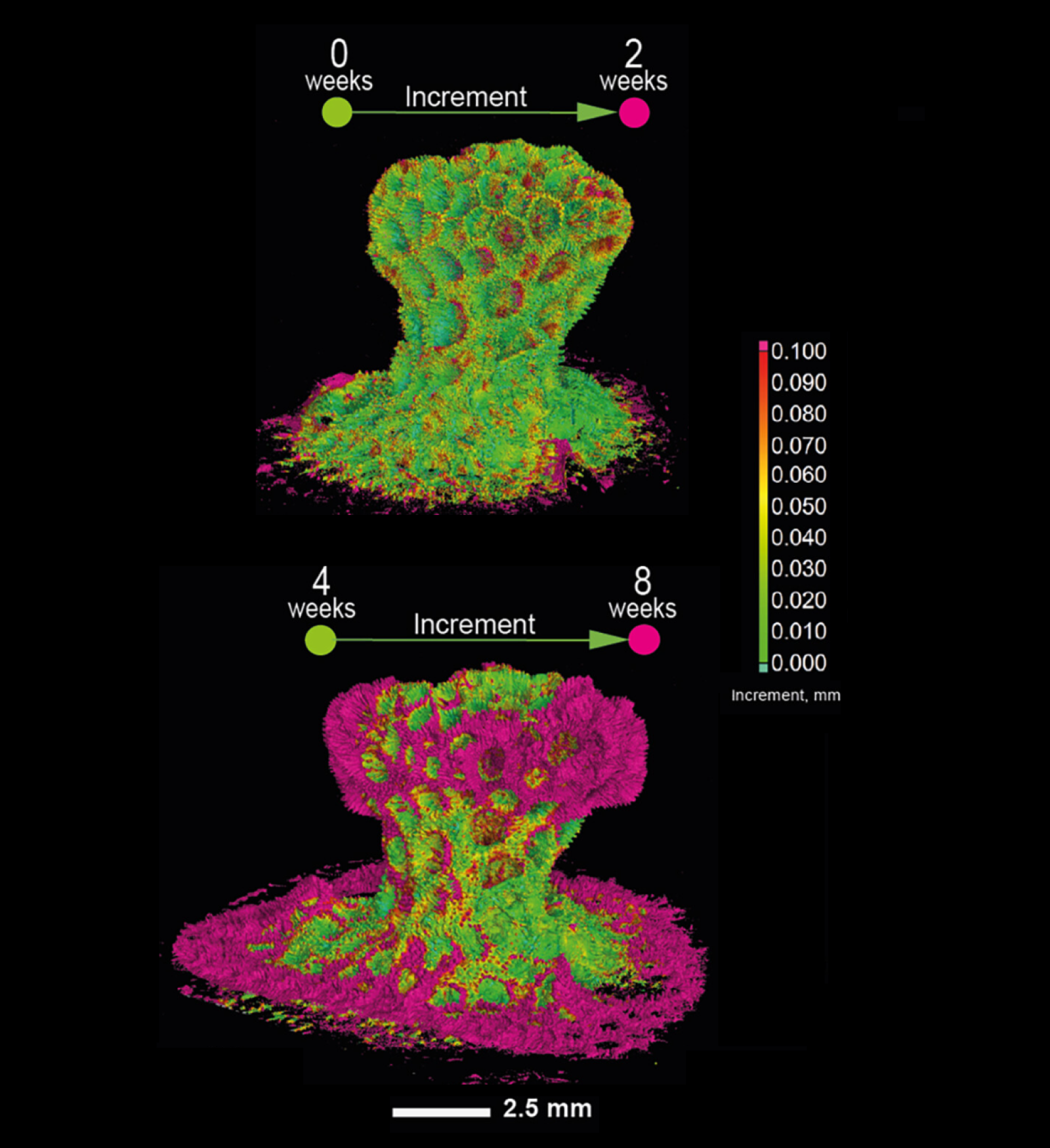
Scientists from CEITEC Brno University of Technology led by Markéta Kaiser have achieved a globally unique breakthrough in coral research. Using the live microCT method, they were able, for the first time ever, to observe the growth of living marine corals in real time and reveal the processes behind the formation of their calcium carbonate skeletons, which had previously remained hidden beneath the surface. The results of the international study, published in the prestigious journal Science Advances, show how corals grow, regenerate, and respond to stress and competing organisms.
The study was carried out through a collaboration between researchers from Brno, Vienna, and several other international institutions. A key role was played by the X-ray Micro and Nano Computed Tomography Laboratory (CTLAB) at CEITEC BUT, where all the crucial data and three-dimensional coral models were produced. CEITEC also shares both the first and corresponding authorship of the study.
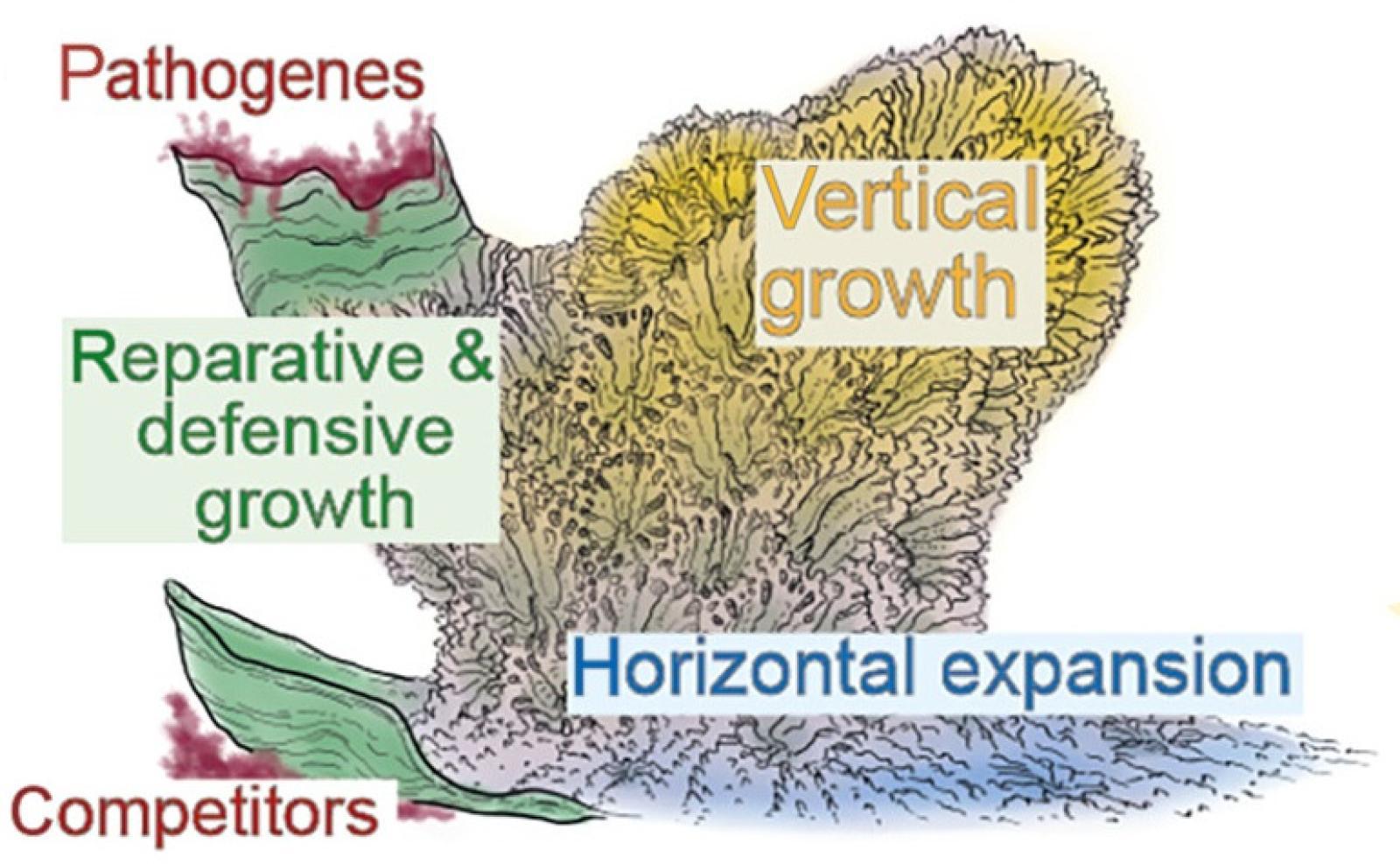
“Thanks to live microCT, we were able, for the first time, to observe what happens beneath the surface of a coral skeleton,” explains Markéta Kaiser from CTLAB at CEITEC BUT. “For example, we witnessed situations where a coral, after being attacked by algae, completely halted its normal growth and began building a protective wall around the threatened area. Once the danger had passed, it was able to resume its original growth pattern.”
The scientists successfully captured coral growth both vertically and horizontally, the formation of protective barriers against competing organisms, and regeneration mechanisms following damage.
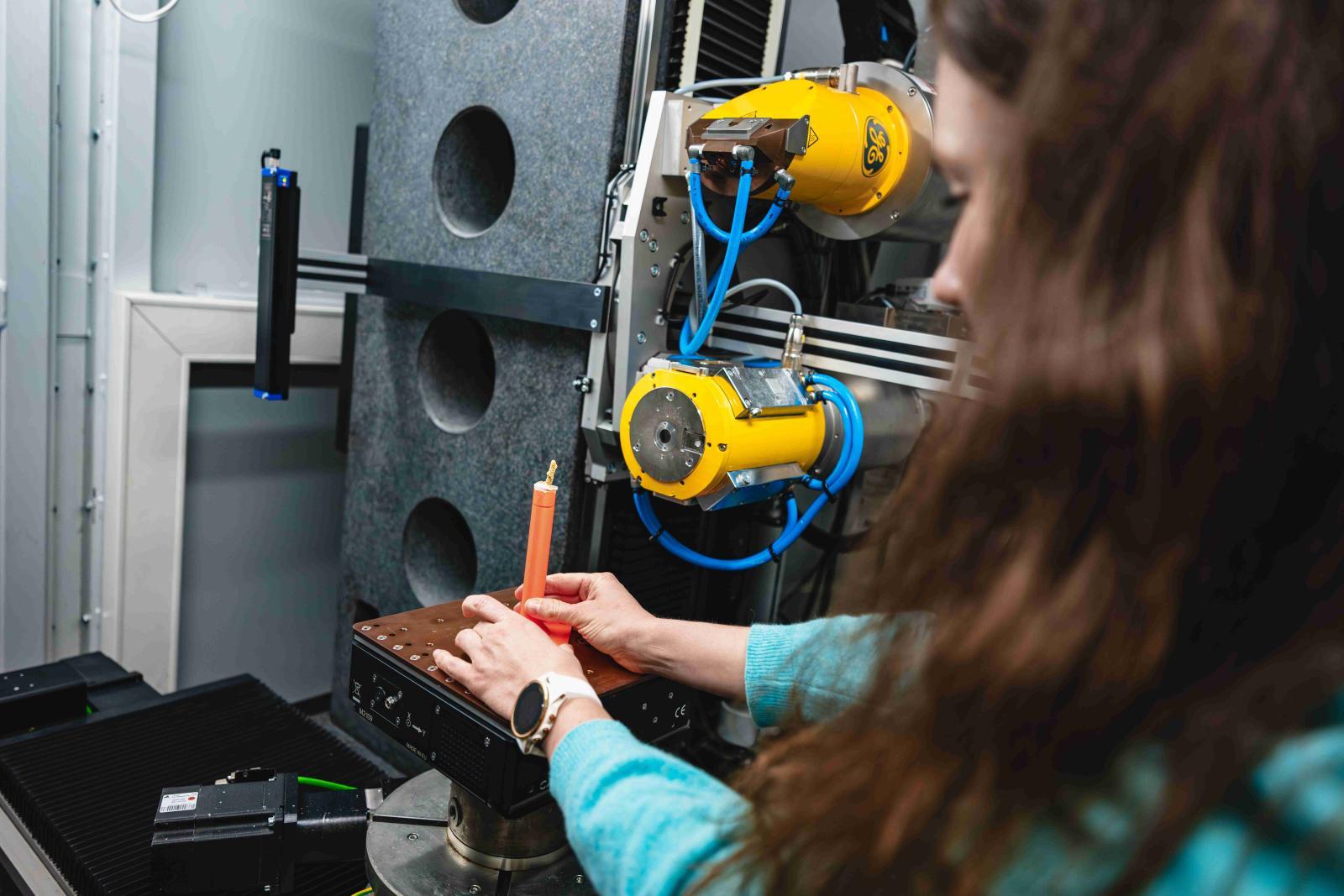
The research was exceptionally demanding from a technological standpoint. The team had to develop a special system that enabled living corals to be safely scanned directly in seawater. The coral colonies regularly traveled by train from Vienna to Brno for measurements and, after several hours, were transported back to professional aquarium systems in Vienna.
“At first, it seemed like a somewhat crazy idea. No one knew whether living corals could withstand repeated scanning,” says Kaiser. “Gradually, however, we found that they survived, continued to grow, and provided us with unique data.”
The original concept for the project came from developmental biologist Igor Adameyko of the Medical University of Vienna, who proposed combining marine biology with advanced imaging technologies more commonly used in engineering and technical fields.
The findings of the Brno researchers have already attracted the attention of experts in Okinawa, Japan, who specialize in coral reef research. They plan to use the live microCT method to study the effects of light, photosynthesis, and environmental changes on coral growth.
According to the researchers, the project demonstrates the importance of interdisciplinary collaboration between engineering and biological sciences. The research could contribute not only to the study and conservation of coral reefs, but also to fields such as paleontology and materials science.
Author: Aneta Kárná
Source: CEITEC BUT
Simpler bone regeneration process. CEITEC researcher tests unique combination of titanium and hydroxyapatite
Women from BUT who move the world of science and technology
Innovative composite from TRICERA ensures lower weight of safes or higher resistance of police shields
Researchers are discovering the hidden possibilities of industry and setting a new direction in biology. In the brand new CT laboratory
Two awards for young scientist Markéta Tesařová