People
A frog in his coat of arms: The exceptional life of Sir Frank Lampl, Brno native and BUT civil engineer

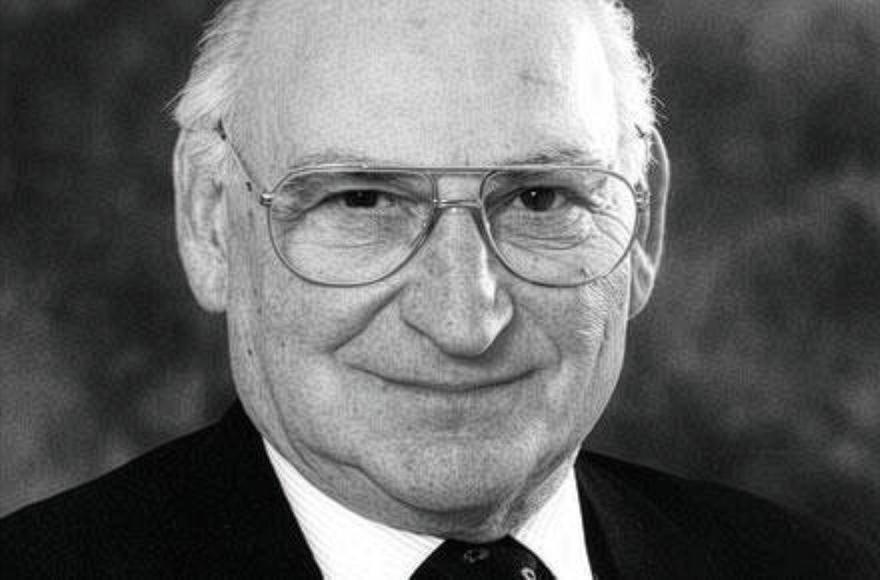
On April 6, 2026, exactly one hundred years have passed since the birth of František “Frank” Lampl. A native of Brno and a civil engineering student at the Brno University of Technology, he lived an extraordinary life. Although, as he himself said, he was “born unsuitable” three times, he always managed to rise again after life’s hardships. He survived concentration camps as well as a communist labor camp, and after emigrating in 1968, he achieved success in the United Kingdom. Not only did he become a top manager in the construction industry there, but as one of the few Czechs, he was also knighted by the Queen.
Frogs in Milk
This story had been passed down through generations in the Lampl family. It tells of frogs that ended up in the churns of a dishonest milkman when he diluted the milk with water from a pond. One frog drowned, but the other did not give up; by persistently kicking, it churned a lump of butter beneath its feet and survived. “I see in it a family philosophy—that one must never give up. The frog has to keep struggling, and we have to work. Strive for success and survive,” Lampl said with a Moravian accent in 1993 on Czech Television (ČT), in the program Z očí do očí.
The power of the frog story was also reflected in 1990, when Elizabeth II awarded Frank Lampl the title of Knight Bachelor for his services to British construction, granting him the right to be addressed as “Sir.” This honor also included the design of a coat of arms. The experts assisting Lampl were so taken by the family fable that they incorporated three green amphibians into the coat of arms, placed between red stripes shaped like battlements referencing Brno and his years in prison.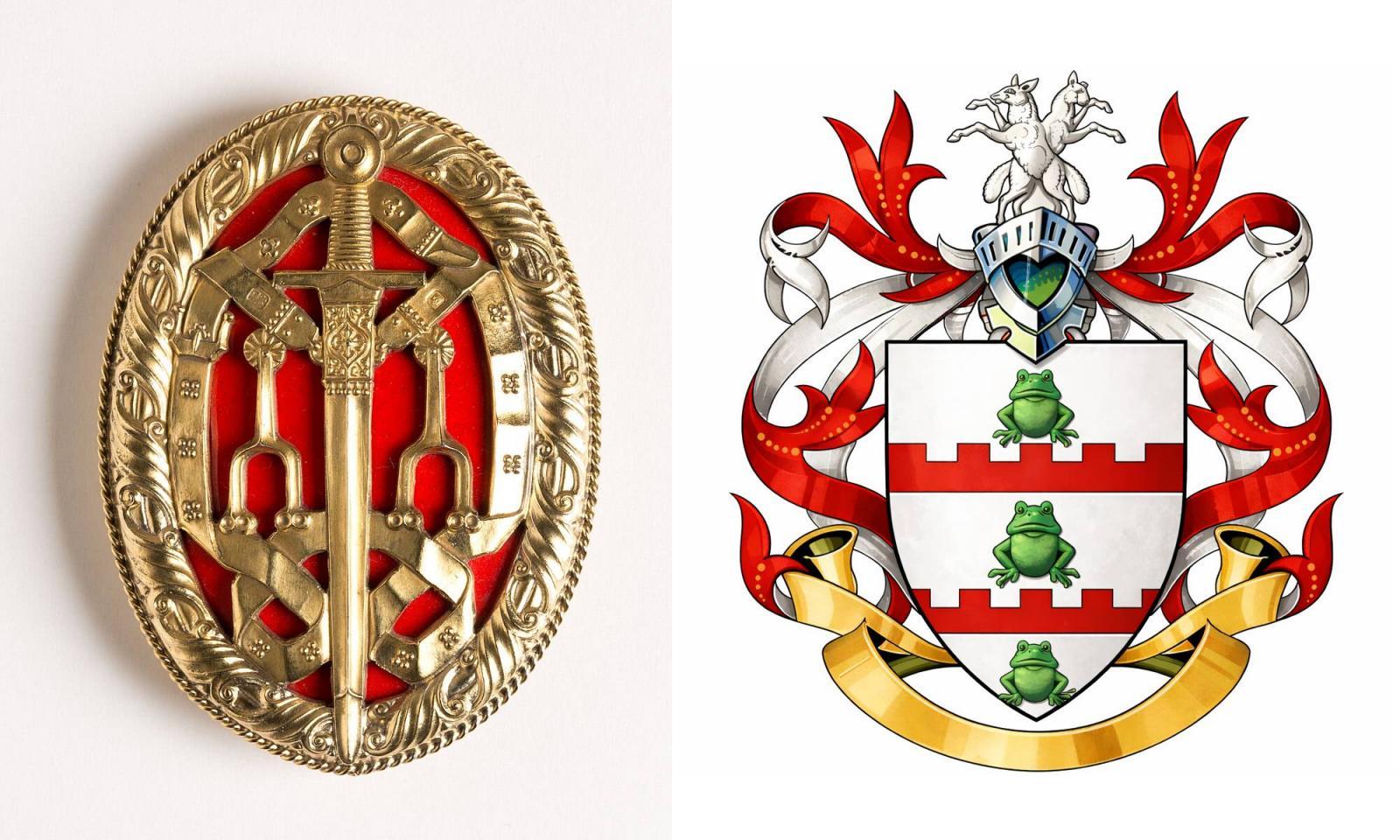
Under the Weight of History
Frank Lampl demonstrated this true “frog-like” resilience many times in his life. He was born in Brno on April 6, 1926, into a Jewish family as the son of a lawyer. His Jewish and bourgeois origins were two of the three “unsuitable births” he inherited. The third was his residence in the Sudetenland, specifically in Sedlec near Mikulov, where the Lampl family owned a farm from which they were forced to leave after 1938.
In 1941, the family was deported to concentration camps, the horrors of which František alone survived, having passed through Terezín, Auschwitz, and Dachau. After the war, he regained the family farm and began studying agronomy—but only until he was convicted in a fabricated trial in the early 1950s and ended up as a prisoner in the uranium mines in Jáchymov. After three years, he was amnestied. However, the farm was nationalized, and he was no longer allowed to work in agriculture. He had no choice but to follow the path laid out for him by the communist regime—construction.
And it proved to be more than successful. He gradually advanced from working as a concrete worker, to section foreman and site manager, and eventually to commercial director of Pozemní stavby Opava. At the same time, he was permitted to study civil engineering—first at a technical secondary school in Ostrava and from 1964 at the Faculty of Civil Engineering of BUT.
Then came 1968, with the invasion of Warsaw Pact troops into Czechoslovakia, and uncertainty returned. “I was afraid that what I had already experienced would happen again. That I would have even less freedom, that I wouldn’t be able to say what I wanted,” he admitted in an interview for ČT. And so the decision was made to leave with his family for England, facilitated by the fact that his only son, Tomáš, had received a scholarship to Oxford. It turned out to be a bull’s-eye.
Success in Britain
In England, he started as a maintenance worker, gradually improving both his language skills and his familiarity with more advanced technologies than those he had known in Czechoslovakia. The turning point came in 1971, when he was hired by Bovis as a chief site manager. “I always wanted to work in a large company. In this one, you felt you were treated fairly and that doors were open to you,” he noted in a 2008 interview for Hospodářské noviny (HN), adding that as an ambitious person, he appreciated that Bovis was not a family business but a joint-stock company: “In a family firm, you always hit a ceiling at some level, because you’re not allowed into truly strategic decisions.”
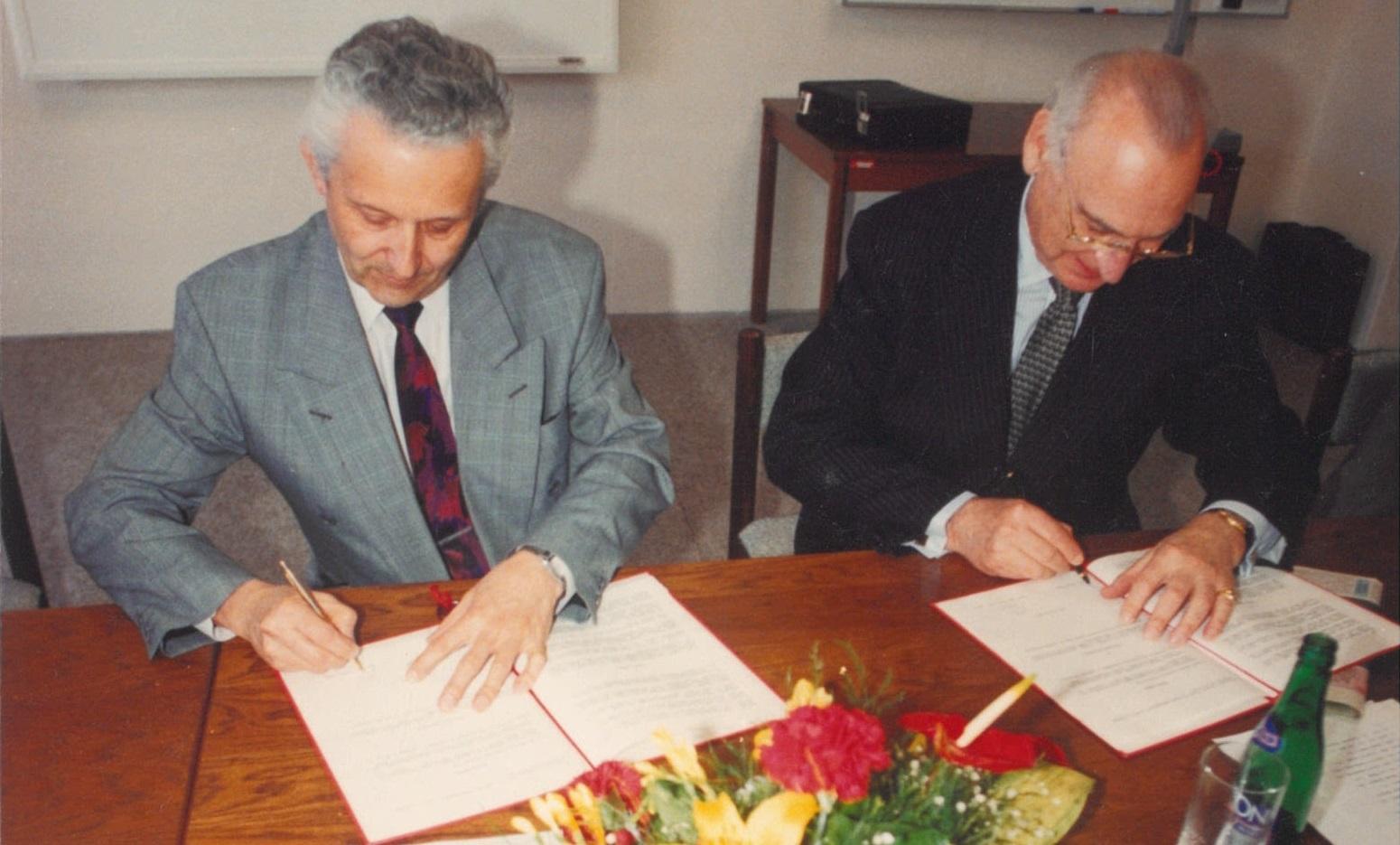
The company proved to be the ideal ground for further development of Lampl’s career. He continued as a project manager, and in 1974—alongside receiving British citizenship—he took on his first director-level position, overseeing developing real estate markets in the Middle East and the United Kingdom. Three years later, he was appointed CEO of the newly created Bovis International division, and finally, in 1989, he became chairman of the entire Bovis Construction Group. He remained in this position until 2000, when he retired.
During his tenure, the company achieved an annual turnover of nearly $4 billion, expanded its branches to 40 countries, and became one of the ten largest construction companies in the world. This period of success was marked by a number of iconic projects secured by Bovis, thanks in part to Lampl’s abilities—such as the Olympic Games in Atlanta, Eurodisneyland near Paris, the new Canary Wharf financial center in London, participation in the construction of the Petronas Towers in Kuala Lumpur, and many others. Throughout all this, Lampl did not build an international construction empire for growth alone; he saw its advantages during times of crisis. “My philosophy was based on the idea that economic cycles are not the same everywhere in the world. For example, Anglo-American countries have a different cycle than Eastern countries. If you build a company with an international focus, you can avoid these cycles.”
Reputation Above Profit
Frank Lampl was a kind of “self-made man” who achieved success not only thanks to his professional knowledge and experience, but also due to soft skills he developed within construction management. “I think there are certain principles that lie more in human attitudes than in technical ones. I am not a better builder than many engineers, but perhaps I can better put myself in other people’s shoes and work with and motivate them more effectively,” he explained for ČT.
He often attributed this ability to the fact that he started as an ordinary laborer. “Such experience is a great advantage, especially in construction, because it helps you understand what motivates people. If you’ve gone through all positions, you have a much better overview of what’s happening on site,” he said, while also expressing concern that this insight is disappearing. “Today, you need a university education, knowledge, and the ability to absorb information. But there is a risk that people won’t have time to understand what workers actually do. I think it’s important for universities to help students gain insight into what happens on construction sites.”
Lampl placed great emphasis on a company’s reputation, which he believed to be more valuable than its profit. “If you lose your reputation, it is hard to regain it. This applies to companies just as it does to individuals. Reputation is the most valuable thing a company has. Profits are, of course, very important as well, but if I were faced with a choice between making money and damaging my reputation, I know what I would do. I would take a simple stance—money can be earned tomorrow, but a damaged reputation cannot be repaired. I follow this belief in my daily behavior and in every negotiation,” he said in a 2009 interview for the British website Construction Management.
He linked reputation primarily to honoring agreements and acting with integrity—even at the expense of profit—as well as to taking responsibility for environmental and social issues. When he received an honorary doctorate at his alma mater on May 14, 1993, he stated: “In the interest of freedom, democracy, and a free economy, we must not forget those who, through no fault of their own, depend on the help of others. With prosperity and power—which is essentially what students will strive for—must come a sense of personal responsibility. (…) A relationship in which one partner’s success is based on the disadvantage of another cannot endure.”
At the same time, Lampl emphasized that taking social aspects of business into account does not mean being naïve, but rather recognizing reality. “It is clear that the duties of a CEO focus on increasing shareholder value, but reality is more complex. You have to find a balance between the interests of clients, shareholders, employees, and society.”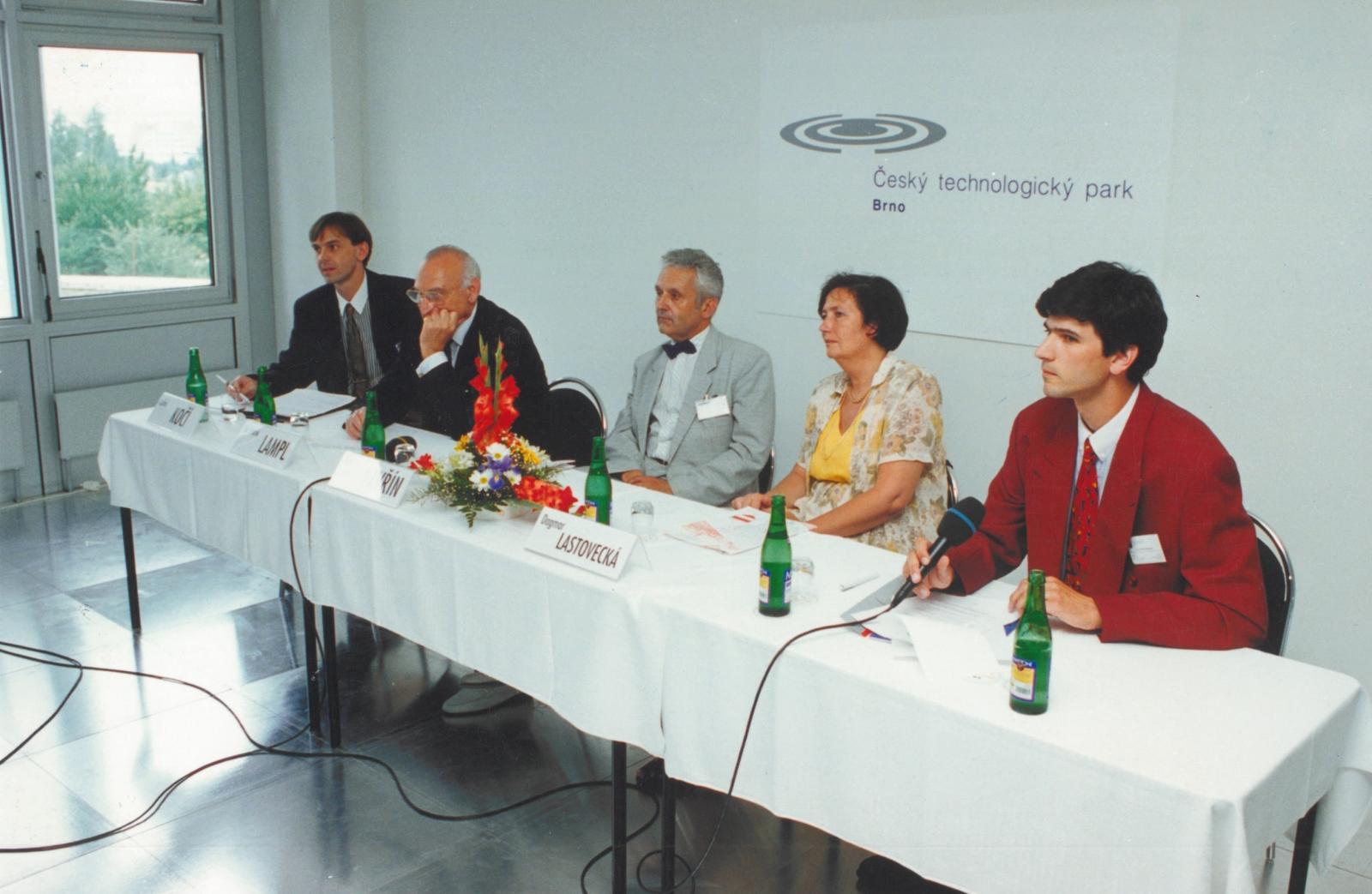
Brno Technology Park
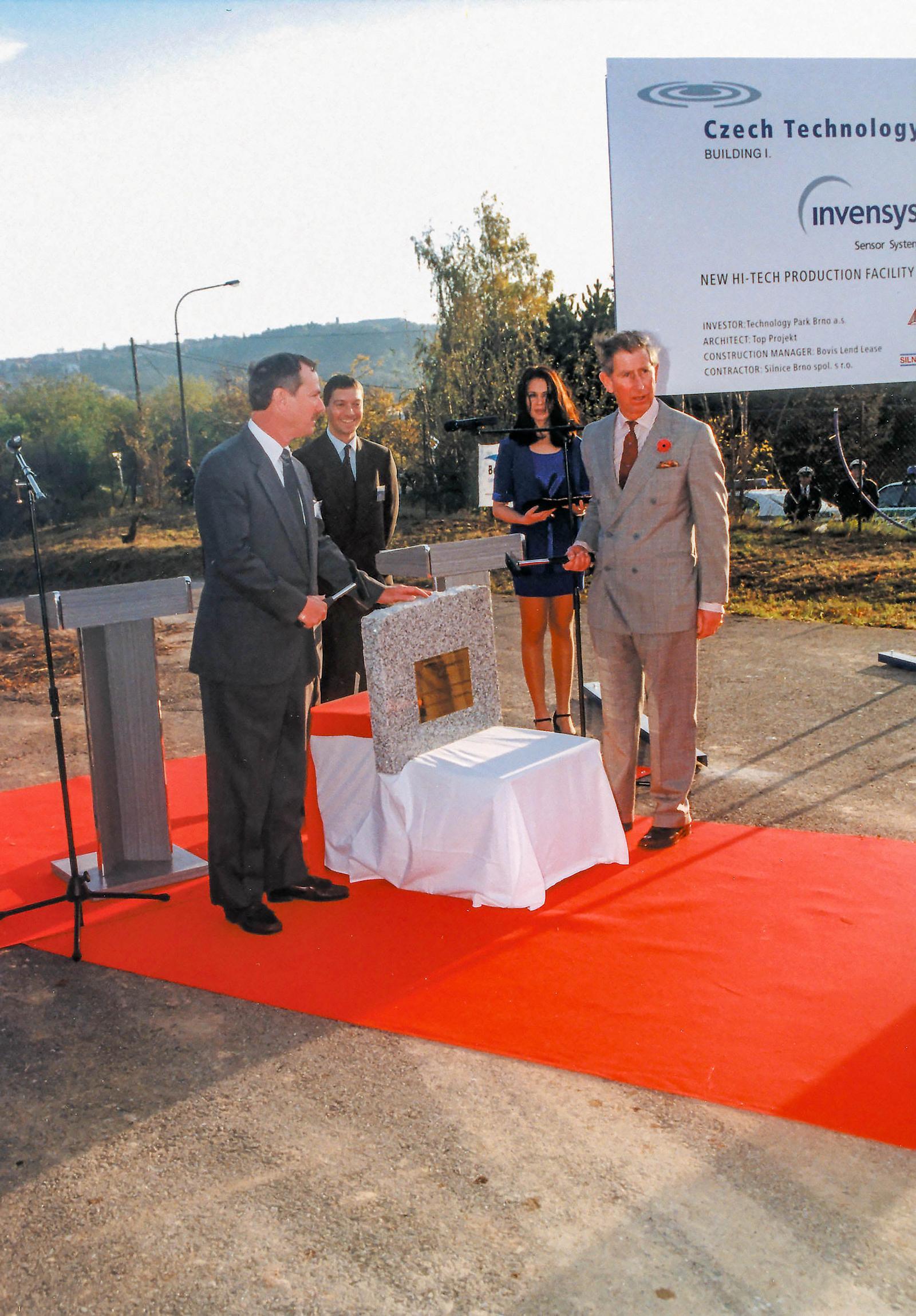
After the Velvet Revolution, Frank Lampl temporarily returned to Czechoslovakia to participate, as a representative of Bovis, in several major projects. The Brno Technology Park project was especially close to his heart as a native of Brno and a BUT graduate. He promoted it as a counterpoint to the then-popular idea of free trade zones. “I was always very upset by that idea, because I believed that a nation’s strength does not lie in cheap labor. What matters is intelligence and education. The Technology Park was an expression of all that,” he emphasized, fully aware of the project’s added value—its connection to nearby universities and their students.
Lampl’s vision of the Technology Park as a place where innovation and high-value-added business are concentrated has been fulfilled over time, and it can be said that it has significantly contributed to Brno’s reputation as a Central European “Silicon Valley.” The project, however, did not come easily at first. “At the time, I was attacked from all sides. British newspapers wrote that we had drowned our own four million pounds and that it was not reason but patriotism that had prevailed. Czech, and especially Brno, newspapers warned that Bovis had made an agreement with the city and the university only to seize the land and then sell it and disappear. None of that happened,” he later recalled.
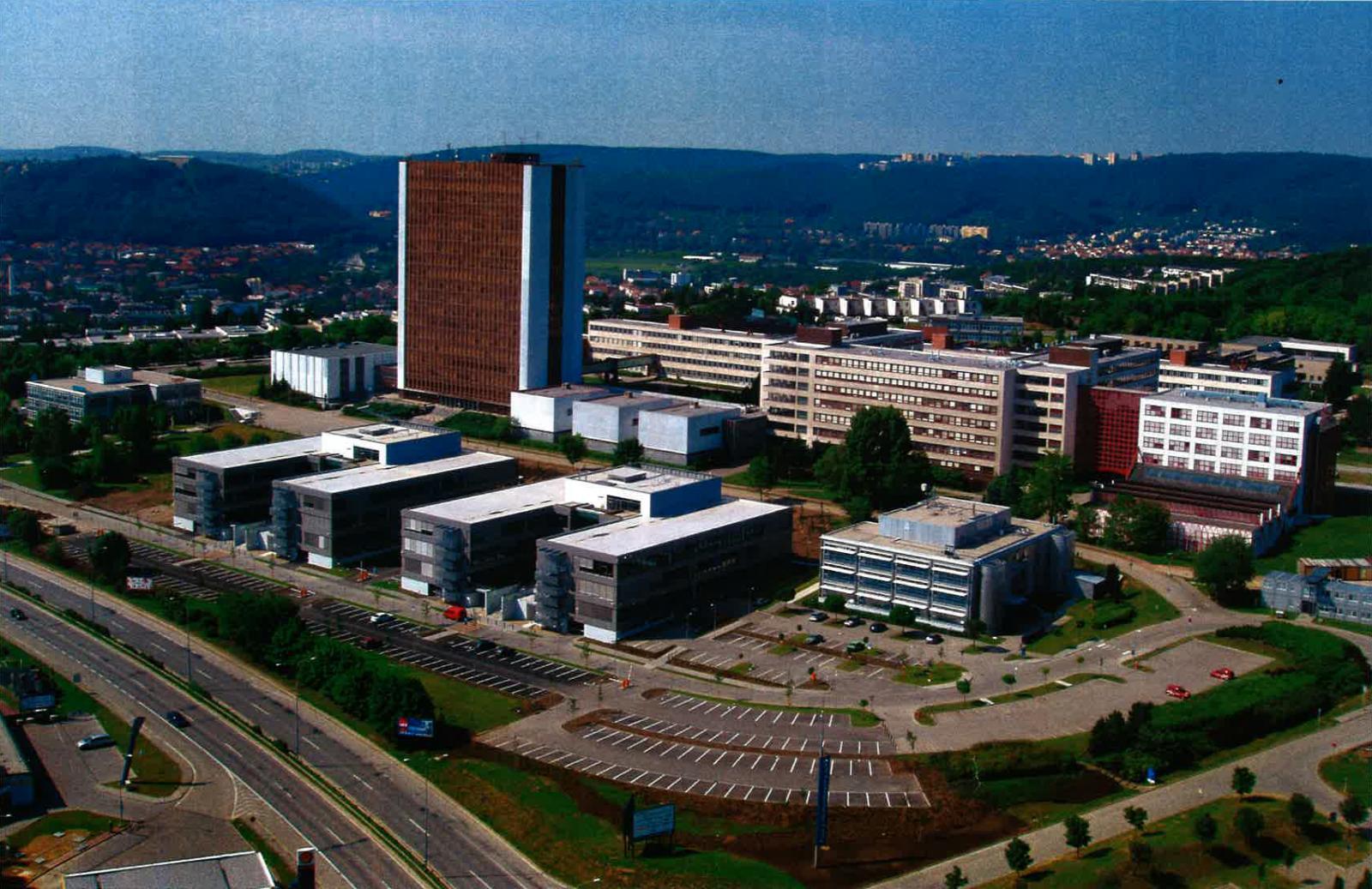
Today, the Brno Technology Park has reached the second of its planned four phases. Over an area of more than 60,000 m², 14 buildings have been constructed, housing 50 technology companies employing around 7,000 people, many of whom come from nearby faculties of BUT. More than three decades after the first steps toward its realization, it is clear that Frank Lampl’s bet on education, science, and research has proven viable and holds strong potential for the future of Brno and the South Moravian region.
Author: Petr Kubíček
Sources:
Sir Frank Lampl - Z očí do očí | Czech Television
Sir Frank Lampl's exceptional life - Construction Management
Sir Frank Lampl: Holocaust survivor who later became chairman of the construction company Bovis | The Independent
Sir Frank Lampl obituary | The Guardian

Microplastics in drinking water will increase
Water losses in the Czech Republic reach 15 percent, the situation is getting better every year
Soil erosion will be prevented by strip crop rotation technology
Surveyors from BUT save cultural monuments
Software as a bachelor thesis helps with soil erosion research