People
The Use of Traction Substations to Support the Power Grid
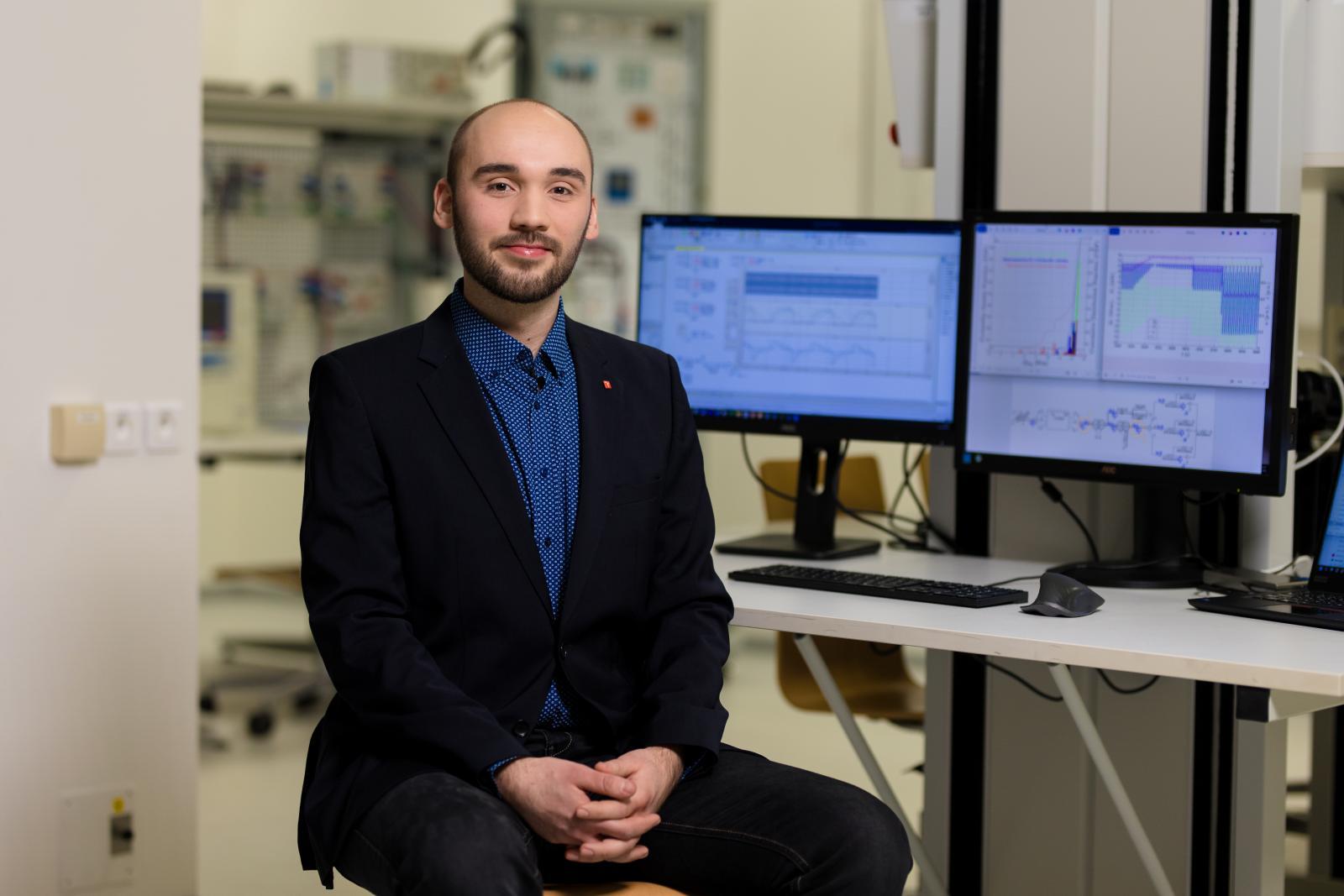
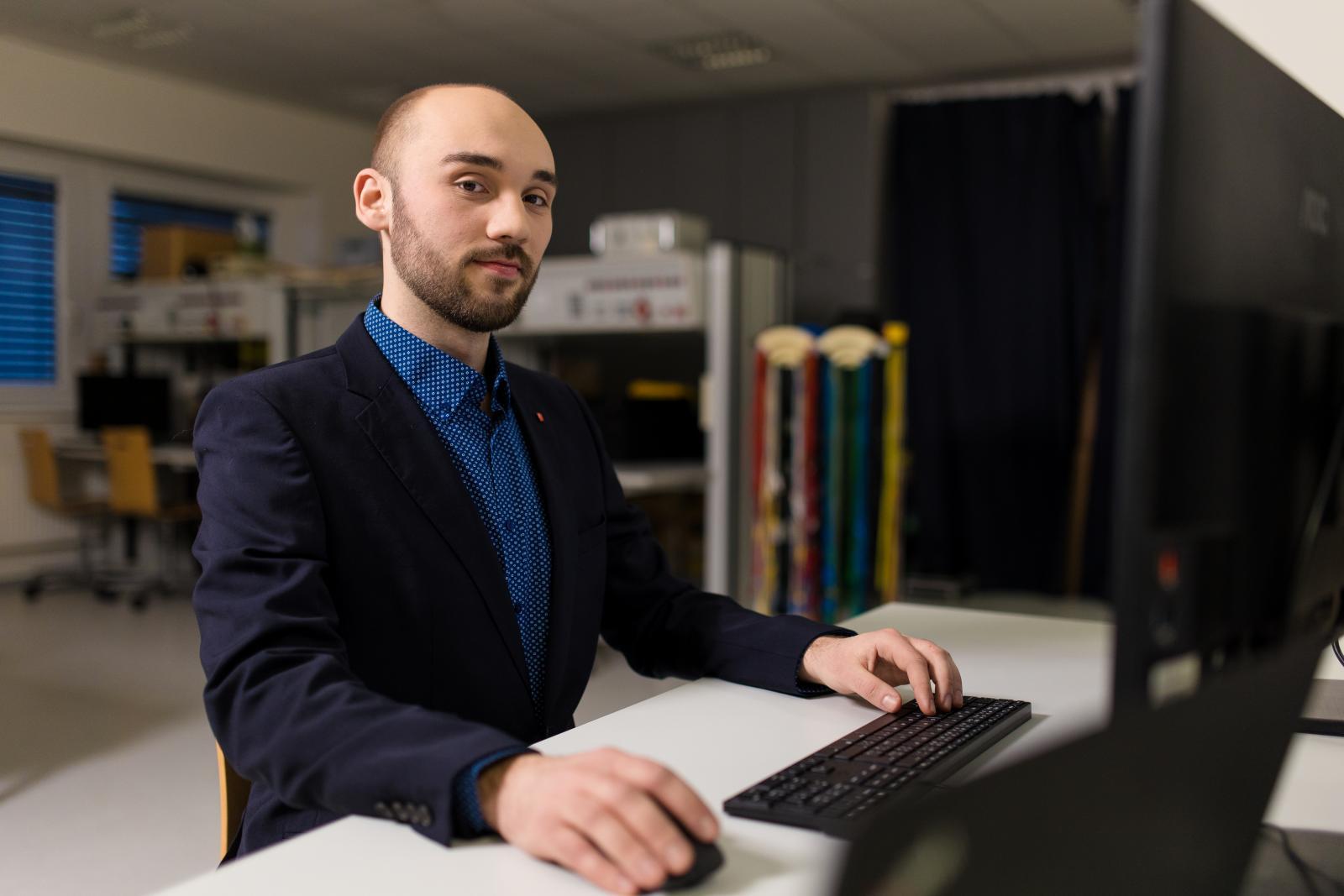
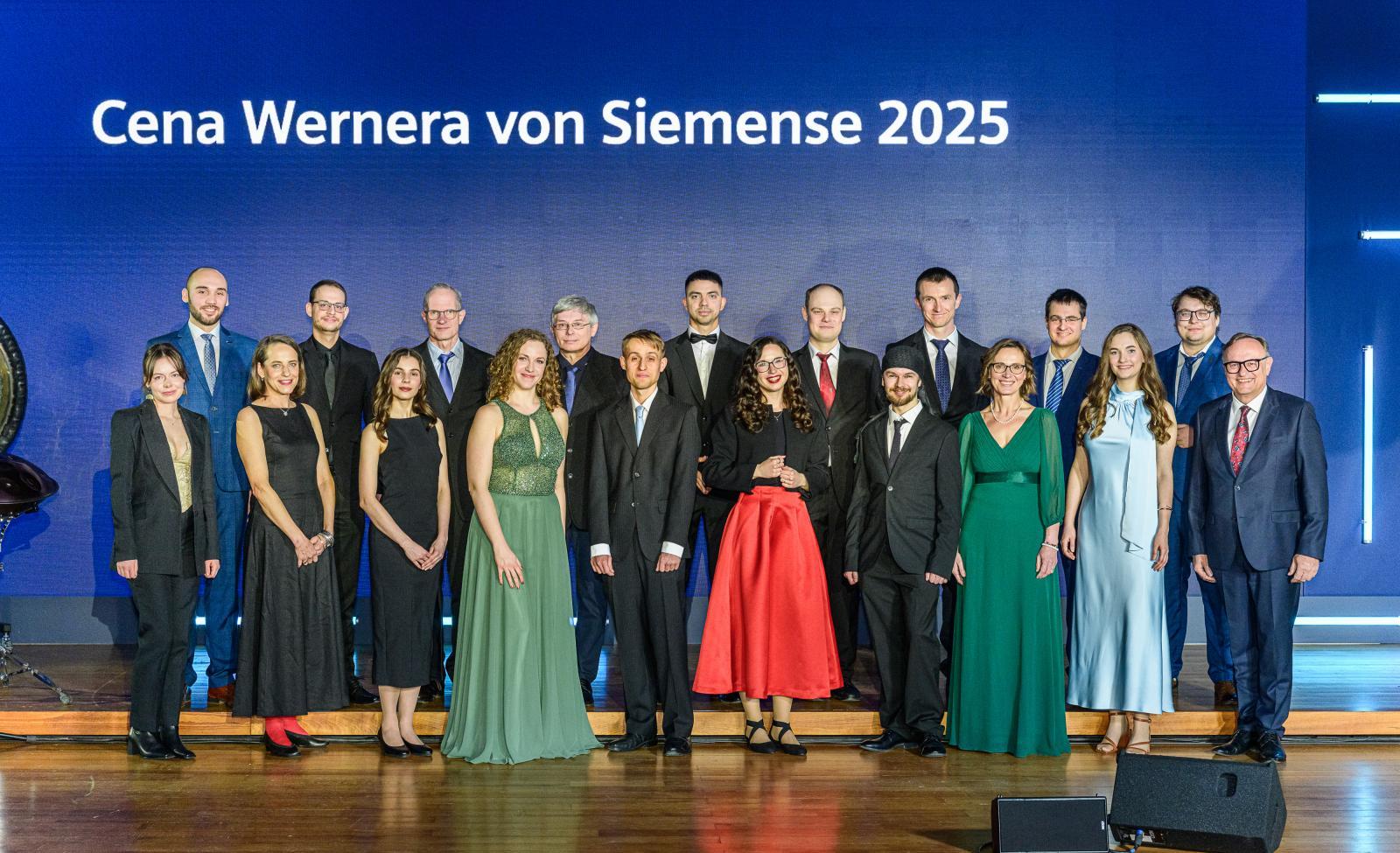
The Werner von Siemens Award for the Best Master’s Thesis in the field of Smart Infrastructure and Energy was awarded to Tomáš Fryšták from the Faculty of Electrical Engineering and Communication at Brno University of Technology for his thesis entitled Analysis of the Operation of Converter Traction Power Supply Systems 25 kV / 50 Hz in Ancillary Services Mode.
Tomáš Fryšták’s master’s thesis focuses on the possibility of using traction power supply stations not only to supply trains but also to support the electrical grid. Thanks to an active converter, the station can draw electricity and, when necessary, return it back to the grid. This helps maintain proper voltage levels and improves the quality of supplied electrical energy. To evaluate these possibilities, Tomáš Fryšták created a simulation model in the PSCAD program that includes the power supply network, transformers, filters, and the converter itself. The model is based on real traction system load data according to actual train operation and takes into account the technical limitations of the equipment, such as maximum voltages and currents. The aim is to analyse the availability of reactive power at different levels of traction system load and to assess the station’s ability to contribute to voltage regulation in the grid. The results of this thesis can be applied in practice mainly in the operation and management of distribution electrical networks that supply traction systems. The proposed solution is pioneering not only within the Czech Republic but also at the European level.

Utilisation of Reactive Power from Traction Power Supply Stations
The most interesting outcome of the thesis is that converter-based traction power supply stations have significant, so far largely untapped potential for providing non-frequency ancillary services to the electrical grid. Simulations show that traction load is predominantly peak-based and the converters are used only partially for most of the time. As a result, sufficient power reserve is available for supplying reactive power and regulating voltage without negatively affecting railway power supply.
The identified availability of reactive power from traction converter power supply stations allows them to participate as providers of non-frequency ancillary services without any negative impact on railway operations. The specific values identified can be directly used to price the provision of reactive power services and also in research focused on finding a non-discriminatory market mechanism on the basis of which a provider of non-frequency ancillary services could be selected in the future.
Benefits for Both Sides
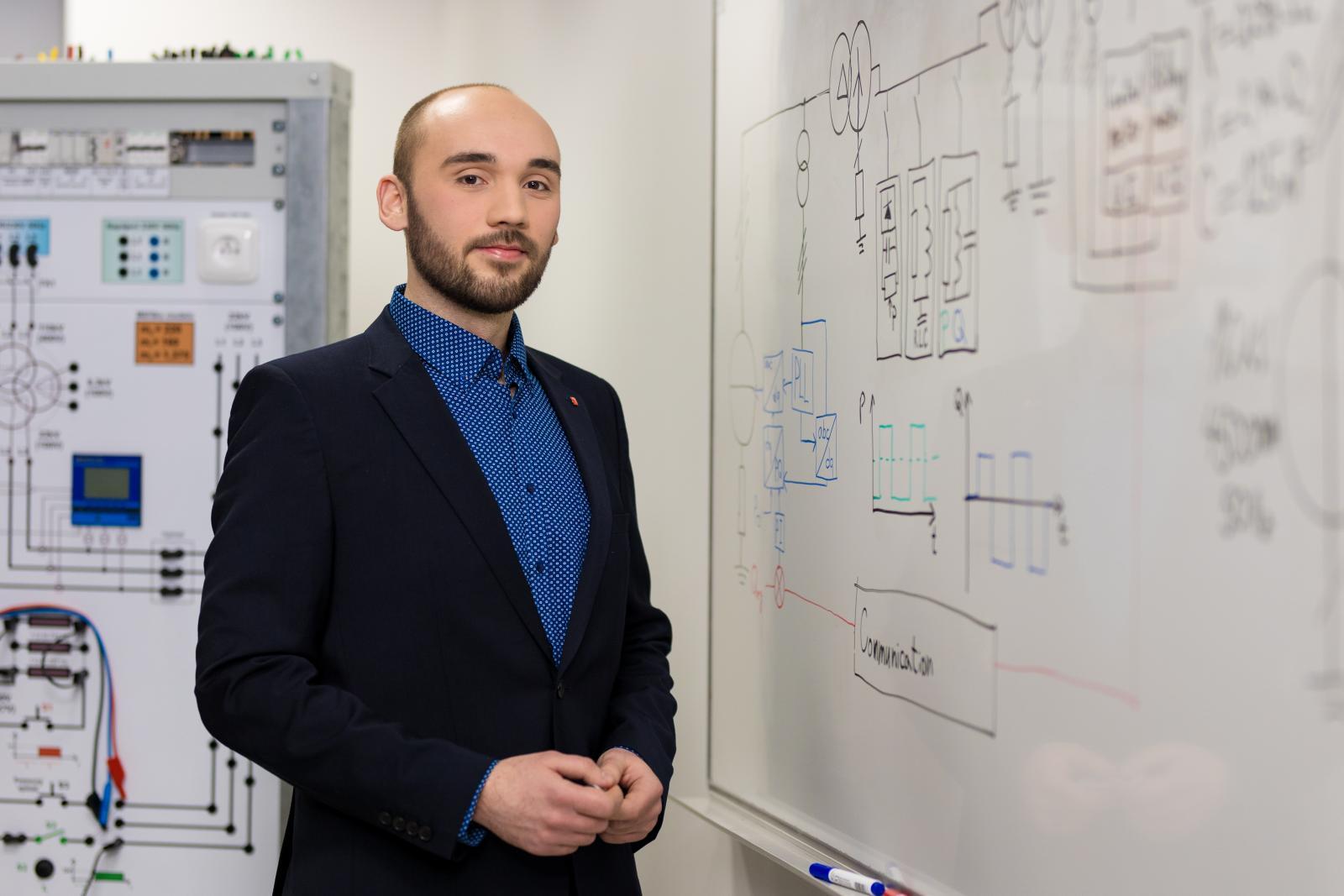
Both sides can benefit from the proposed solution. Distribution system operators can improve voltage regulation, reduce reactive power flows, and optimise operating conditions in locations with high load or with the connection of renewable energy sources. Railway infrastructure operators gain the opportunity to use already installed technological units more efficiently and increase their added value. “The developed model makes it possible to simulate and design cooperation between multiple SFCs (static frequency converters). This is important because the installation of more SFCs is planned not only on conventional lines but also on high-speed railways. The model can be used in feasibility studies for designing the concept of power supply for high-speed rail lines. In the long term, this model may also contribute to better integration of traction systems into the concept of smart grids and to the sustainable development of railway transport in the Czech Republic and across Europe,” explains Tomáš Fryšták.
Choice of Field of Study
Tomáš Fryšták chose his field of study mainly because he had already partially focused on energy engineering during his secondary school studies. The field therefore felt natural to him from the beginning and built on his previous knowledge. “What interests me most about energy engineering is its complexity and technical demands. I enjoy how the individual parts of energy systems are interconnected and how a change in one parameter affects the behaviour of the whole system. I am also attracted to working with large technological units and machines, as well as searching for optimal solutions where technical, operational, and systemic aspects must be balanced,” he explains.
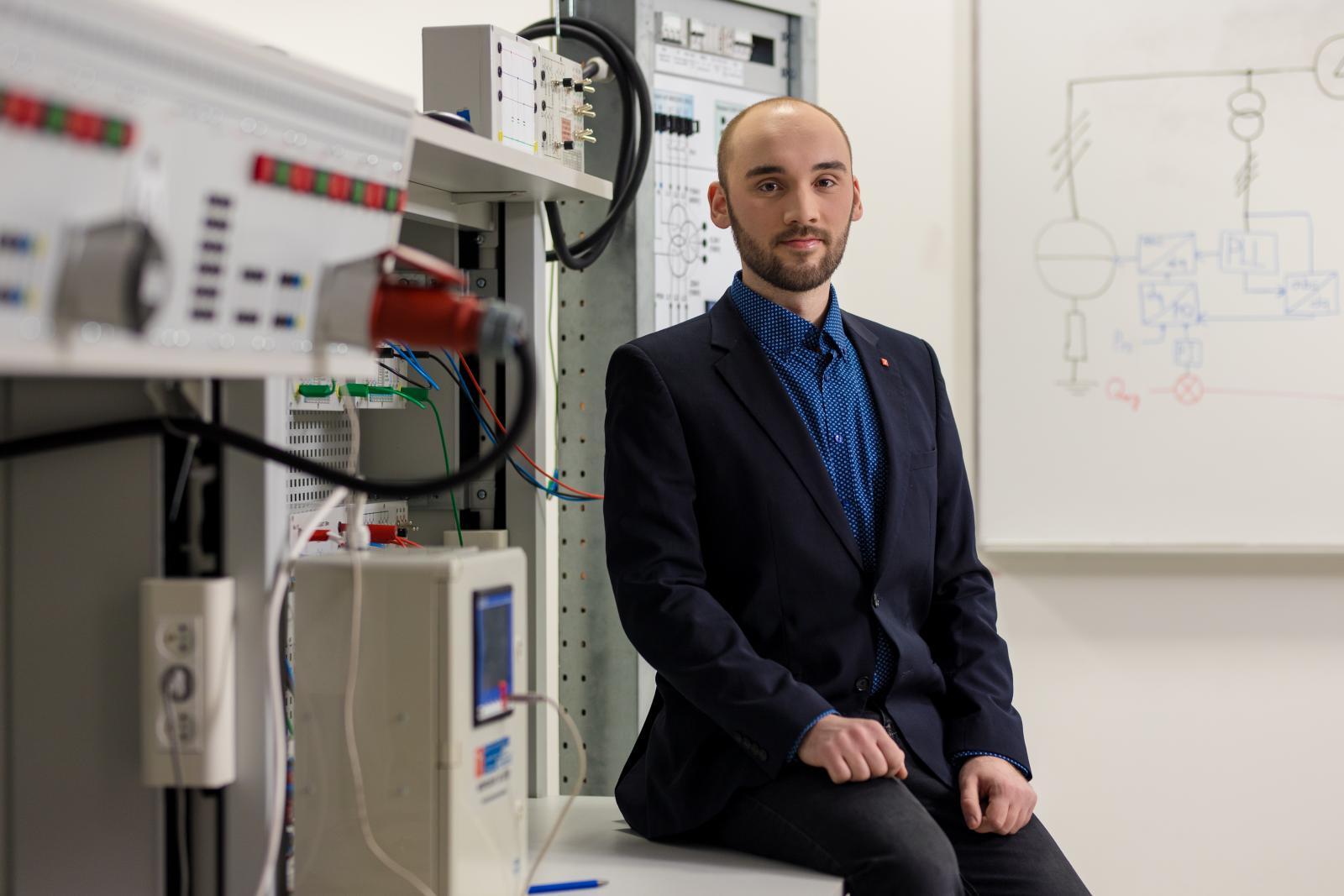
Tomáš Fryšták sees his future professional career primarily in the field of railway transport. He would like to focus on technical solutions that ensure the reliable and efficient operation of railways, while he sees energy engineering as an essential supporting field. The power supply of railway infrastructure is closely interconnected with the electrical power system, and understanding this relationship is key in his view. “I would like to work in positions focused on the design, operation, or development of railway infrastructure, where knowledge of railways and energy engineering can be combined for the benefit of safe and stable transport operations,” he adds.
Author: Siemens
It gave me motivation and confirmed to me that what I do has enormous potential, says the Forbes 30 Under 30 honoree
LOSS OF STABILITY OF THE ELECTRICITY SYSTEM CAN CAUSE BLACKOUTS
He was supposed to be an architect. But he studied electrical engineering and is now a recognized expert on optical systems in Canada
Starling are a winemaker’s nightmare. Electrical engineers form BUT come to aid
Optical fibres will help peek into the deepest parts of the brain. A doctoral student from FME is involved in the research