Topic
ALANIS project combats light pollution
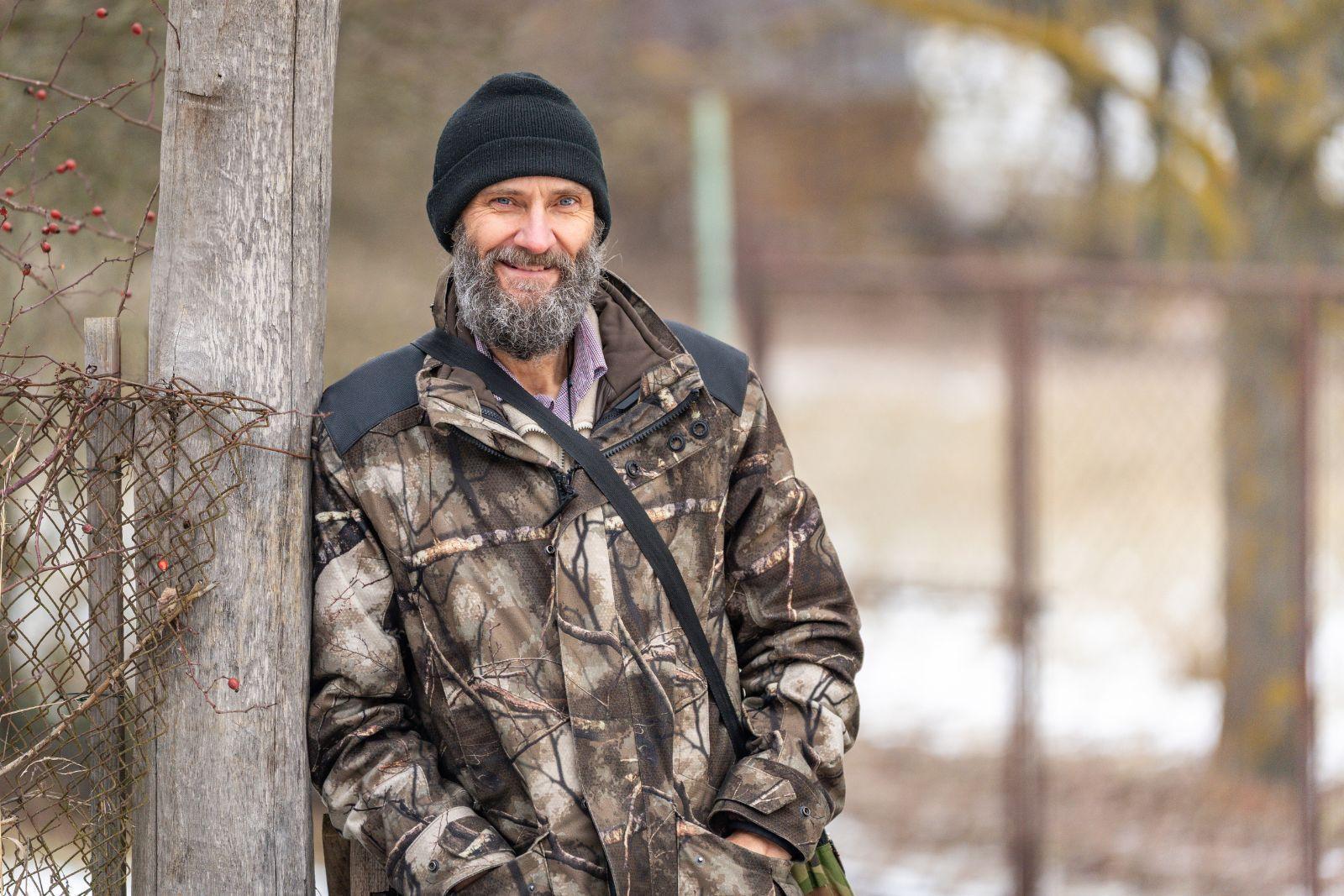
It is precisely this challenge that the project led by Petr Baxant from the Department of Electrical Power Engineering (FEEC BUT) addresses. It focuses on the development and commercialization of two key tools: the ALANIS web application (Artificial Light At Night Information System) and the portable measuring device ALANISATOR.
ALANIS serves as an advanced platform for collecting, analyzing, and visualizing data on light pollution. It integrates geographic data (GIS – systems for working with maps and spatial information), meteorological conditions, information on the Moon’s phase, and pollution maps from databases such as Light Pollution Map or Light Pollution Atlas 2022. It enables users – from scientists to municipalities and companies – to monitor trends, identify sources of light pollution, and propose mitigation measures. It will gradually be expanded with analytical tools for assessing biologically active radiation.
ALANISATOR is a portable device for precise measurement of lighting conditions directly in the field. Unlike commonly available instruments, it can also capture melanopic irradiance – the component of light that most strongly affects the biological processes of living organisms, including the human sleep cycle. This ability to distinguish biologically harmful light from other radiation is one of the project’s key innovations.
“Light pollution is a problem that has long remained on the margins of attention – yet its impacts on human health and ecosystems are well documented. We aim to provide a tool that will enable systematic collection, sharing, and use of this data – whether for scientific purposes or for decision-making by cities and municipalities regarding public lighting,” says Petr Baxant, the project’s principal investigator.
He most recently introduced his research to a wider audience in the Experiment Magazine on Radiožurnál (CZ only). Among other things, he described measurements of Christmas lighting at Moravské Square in Brno and explained how excessive artificial light affects trees. Strong nighttime illumination disrupts their natural evaluation of day length. As a result, trees shed their leaves later, sap remains active in branches for longer, and when frost arrives, it can freeze and damage tissues. Consequently, branches may dry out in spring.
Over time, ALANIS may serve as a reference tool for the systematic monitoring of light pollution – similar to networks of monitoring stations that track air or water quality. The project builds on earlier research supported by the Ministry of the Environment of the Czech Republic and collaborates with CTU and the Czech Metrology Institute. The application will be useful for national park administrations and cities, public lighting operators, as well as international environmental organizations. The project runs until the end of 2027, and its outcomes could change the way we think about nighttime lighting.
You can meet Petr Baxant and learn more about his research at the event Earth Day 2026 (CZ only) in Brno at Kraví hora on Saturday, April 18, where he will introduce the impact of light on our lives to the general public. In addition, on World Earth Day, April 22, the BUT Sustainability Office, together with Petr Baxant, is organizing a night excursion “Turn Off the Lights and You’ll See”, which will begin at FEEC with a short visit to the lighting laboratory. Participants will then move to the Medlánky hills for a practical demonstration of light pollution measurement accompanied by a small experiment. More information about this event can be found on the Sustainability Office website.
Source: FEEC BUT
Antibiotic resistance in the poultry microbiome is investigated by FEEC BUT
We can't just keep increasing battery production without thinking about what happens to them when they run out
How to care for a greenhouse? In city park Lužánky, they are building an autonomous watering system that will take care of it for you.
Smart incontinence underwear equipped with sensors can facilitate the treatment of urine leakage
Millions of calculations in overheated offices as a path to green gas