Topic
Experience BUT at Researchers' Night: When Mathematics Unveils the Secrets of the Sun

A total solar eclipse lasts only a few minutes. Yet during that brief period, scientists gain a unique view of the solar corona. How much do we actually know about the mysterious outer atmosphere of our star? Visitors to this year’s Researchers' Night at the Faculty of Mechanical Engineering BUT will find out.
Sun, photography, mathematics. These are the main themes of the lecture Why Observe the Sun When You Can’t See It?, where visitors will explore the mysteries of solar eclipses and discover how mathematics can reveal what would otherwise remain invisible to the human eye. “The audience will learn many fascinating facts about the solar corona. Anyone interested in mysterious phenomena that are still not fully understood will enjoy this lecture,” says Miloslav Druckmüller from the FME BUT.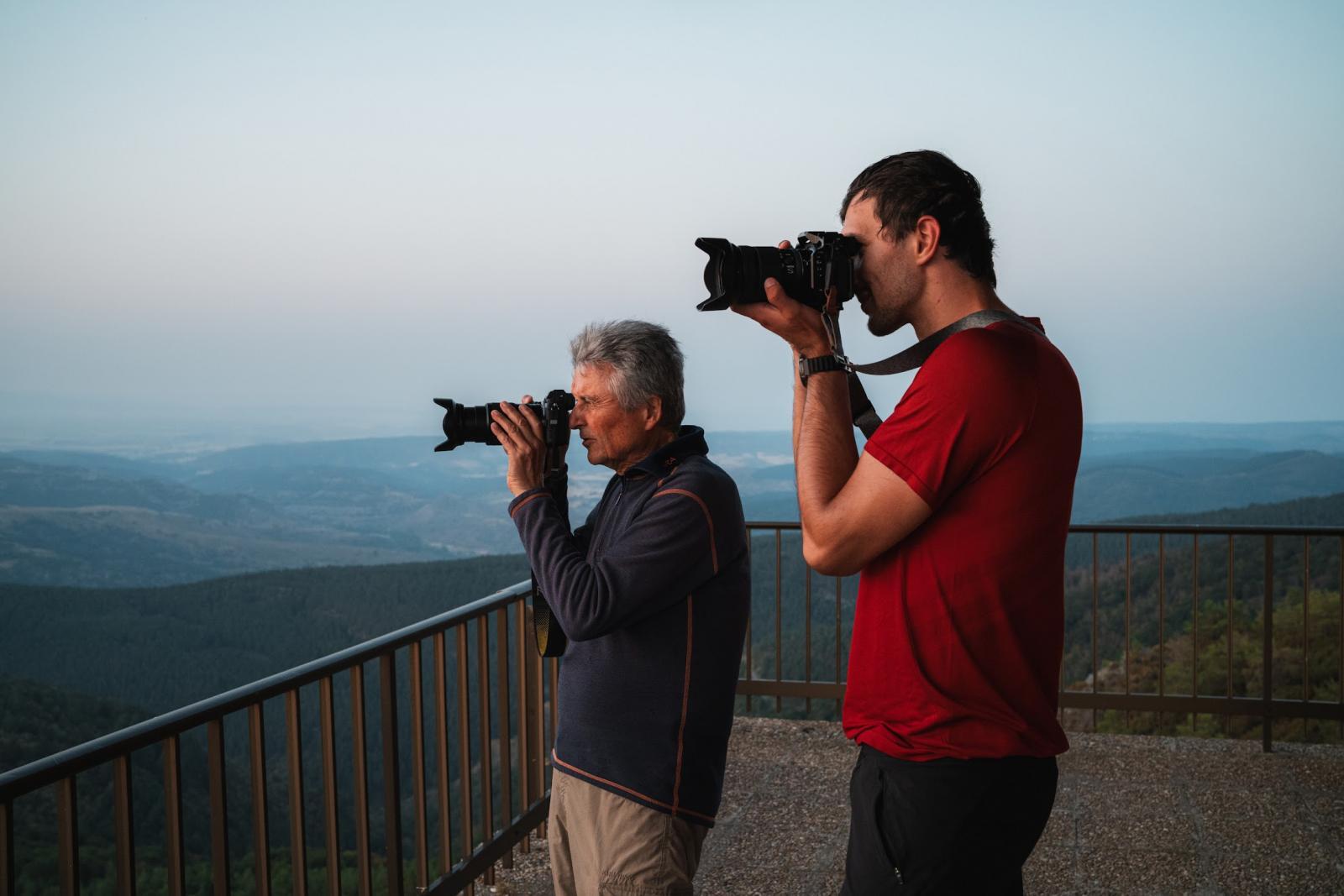
The solar corona is normally hidden by the Sun’s intense brightness. During a total solar eclipse, however, it becomes visible for a few precious moments. For more than a quarter of a century, scientific expeditions from the FME BUT, led by mathematician Miloslav Druckmüller, have been travelling the world to capture these rare events. Together with his colleagues, he records thousands of photographs, which are then processed using unique mathematical methods. The result is highly detailed images of the solar corona that help scientists better understand the processes taking place in the Sun’s atmosphere.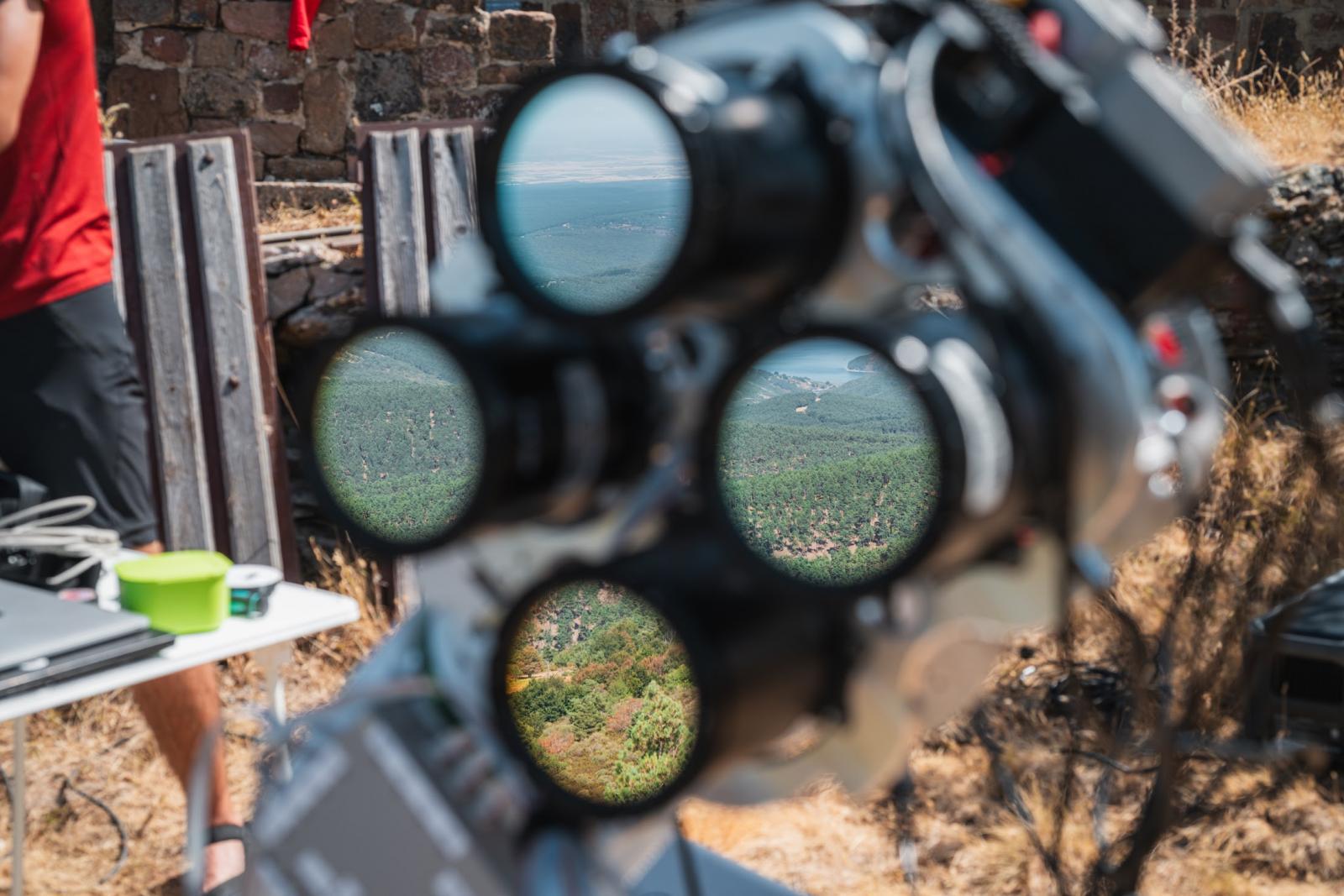
“What fascinates me most is the opportunity to use mathematics to see what we otherwise could not,” says Miloslav Druckmüller. His journey into eclipse expeditions began after witnessing his first total solar eclipse in Hungary in 1999. A remarkable series of coincidences then led him to Professor Shadia Habbal from the University of Hawaii, one of the world’s leading experts in solar physics. Their long-term collaboration has resulted in numerous unique observations, discoveries, and remarkable images of the solar corona.
At Researchers' Night, visitors will learn what happens in the solar corona and why studying it is about much more than exploring distant space. Solar activity can influence space weather and conditions around Earth, helping scientists better understand phenomena that may have a significant impact on our everyday lives.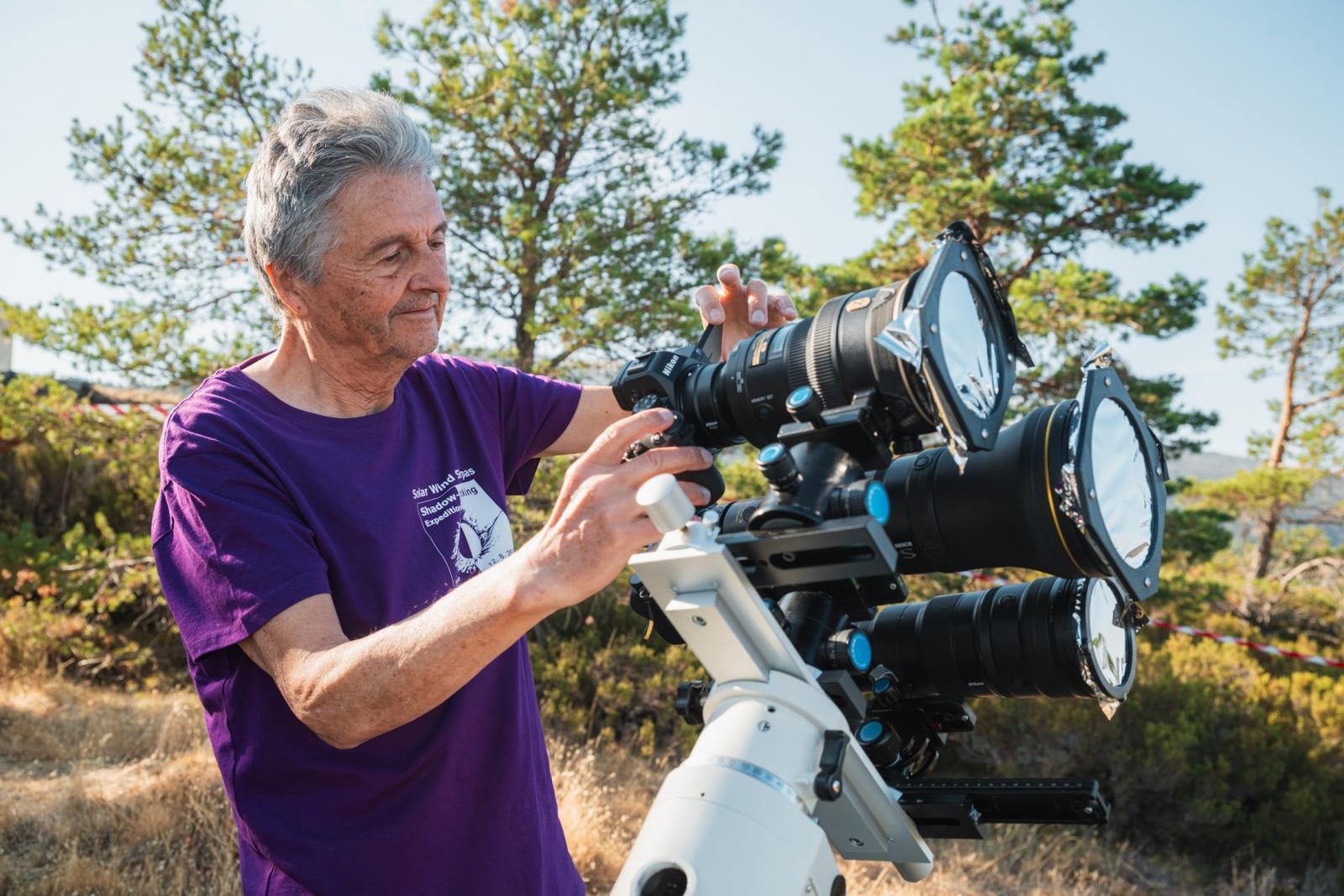
What should visitors take away from the lecture? “Even in space so empty that particles hardly ever collide, phenomena can occur that have a profound impact on life on Earth,” the mathematician explains.
|
Researchers' Night takes place on Friday, 25 September, with all BUT faculties and institutes taking part. Laboratories, classrooms, and research facilities will open their doors to the public, offering a programme full of experiments, interactive demonstrations, and opportunities to meet scientists. More information is available on the Night of Science website. Come and discover how technologies that shape everyday life are created – and experience BUT for yourself! |
Author: Lenka Hubáčková
Bismuth as a cheaper alternative to gold
AI reflects back an image of ourselves, says Petr Koňas
Jakub Dokulil is developing microscope that will track movement of cellular molecules
“An astronaut doesn’t have to be the best person in the room,” says cadet Tereza Bednářová
I don't call the students by name, I respect them very much, says Šárka Mikmeková