Topic
1 July 2026
FCE BUT has joined research into active Santorini–Kolumbo volcanic system
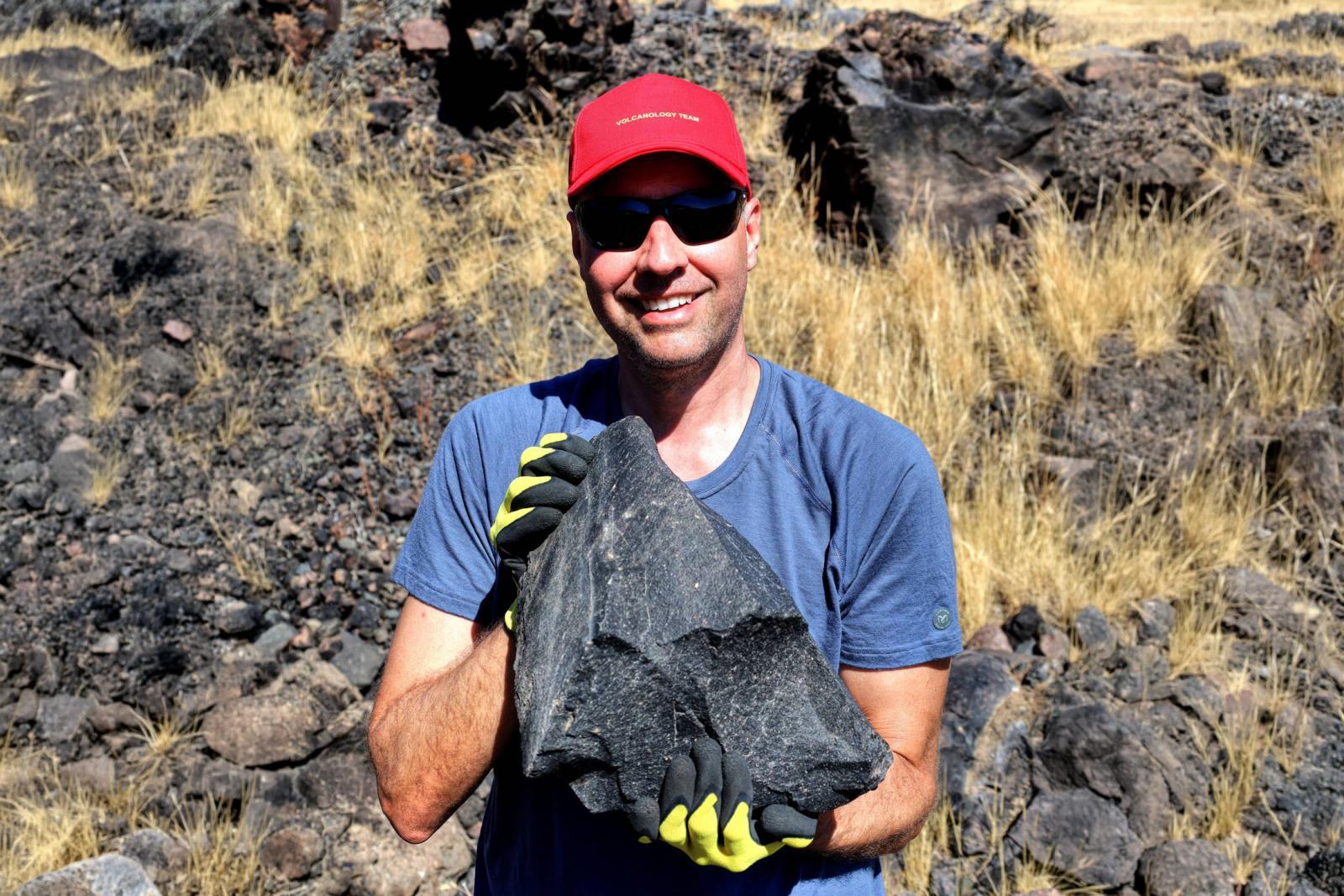
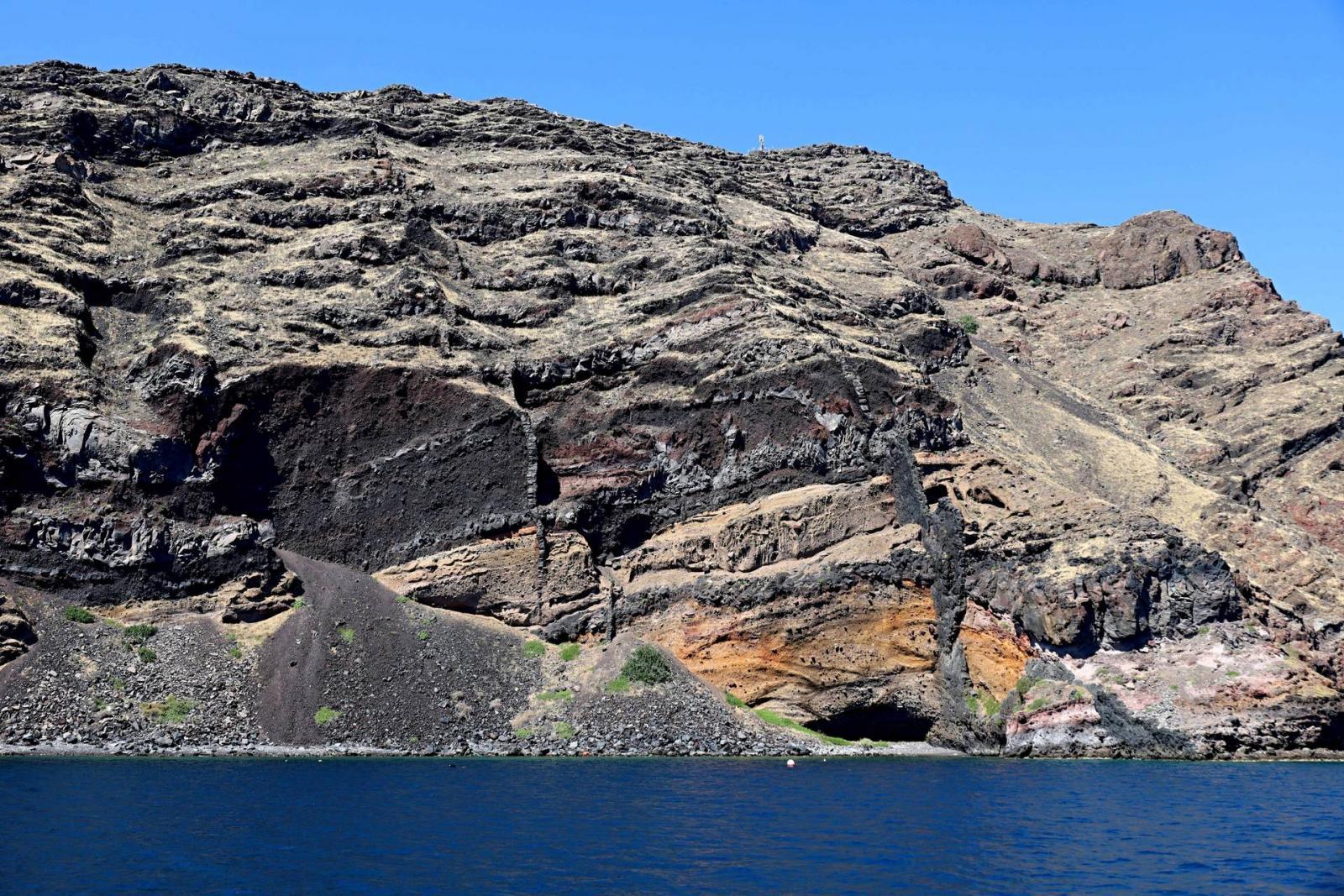
Santorini is one of the world's best-studied volcanic regions. It has been active for more than half a million years, and over the past 350,000 years has experienced at least twelve Plinian eruptions—exceptionally powerful explosive eruptions that propel volcanic ash and pumice tens of kilometres into the atmosphere. Several of these eruptions were so intense that they caused the volcano's central part to collapse, forming a large circular depression known as a caldera. Today, this caldera gives the Santorini archipelago its distinctive shape.
Major eruptions occur here at intervals of approximately 10,000–30,000 years. The current period is characterised by the growth of the Nea Kameni volcanic centre within the caldera and the gradual replenishment of the underlying magmatic system. In this area, Lukáš Krmíček collected numerous samples, primarily of young volcanic rocks. These are particularly valuable for studying the direct effects of hydrothermal alteration on the strength and stability of lava formations.
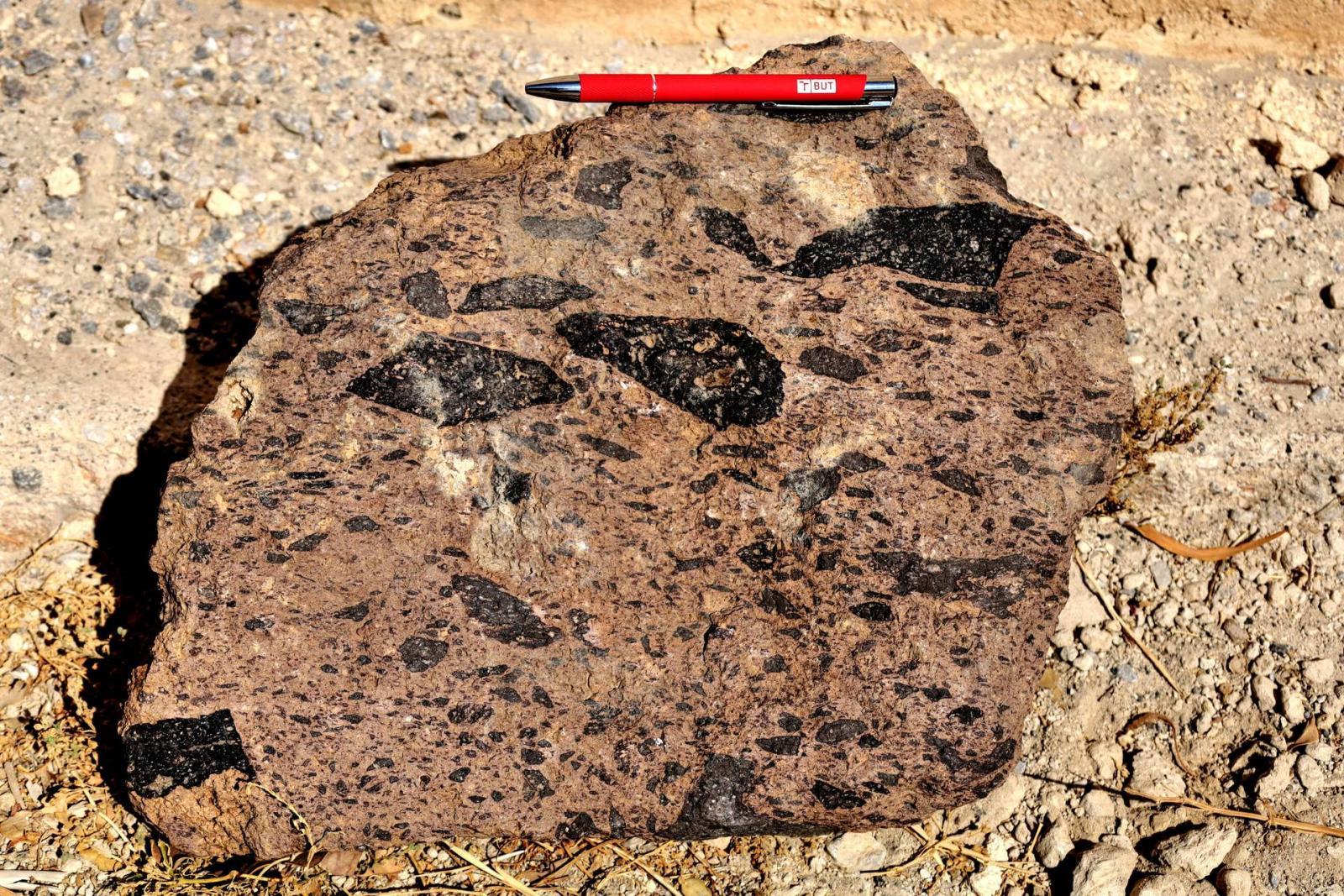
In recent years, scientists have increasingly focused on the relationship between Santorini and the submarine volcano Kolumbo, located approximately 15 km northeast of the centre of the Santorini caldera. New geological and geophysical studies indicate that the two volcanic systems are connected by a common deep magmatic system. Its activity was confirmed during the seismic crisis at the beginning of 2025, when thousands of earthquakes led to the declaration of a state of emergency and the temporary evacuation of the island.
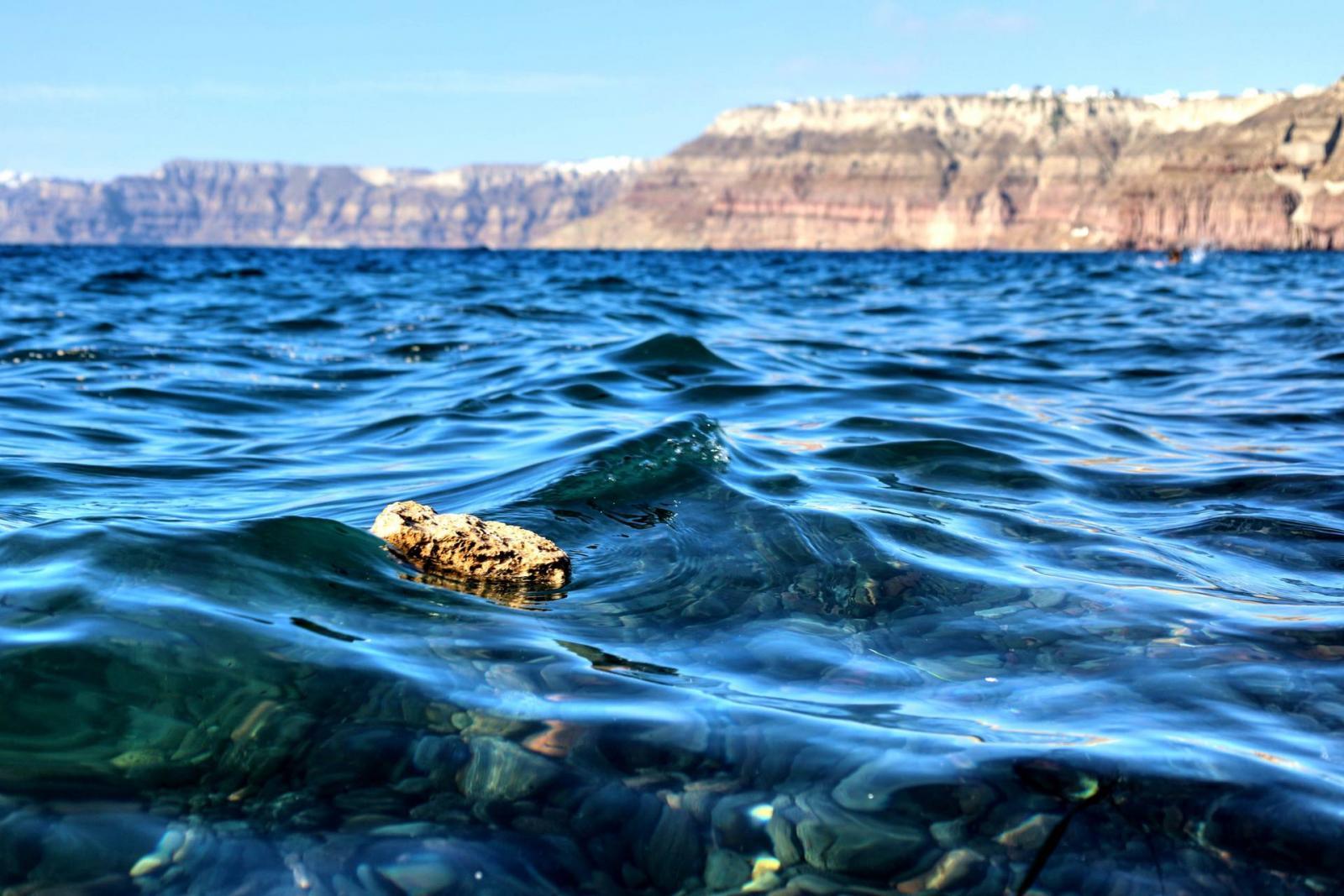
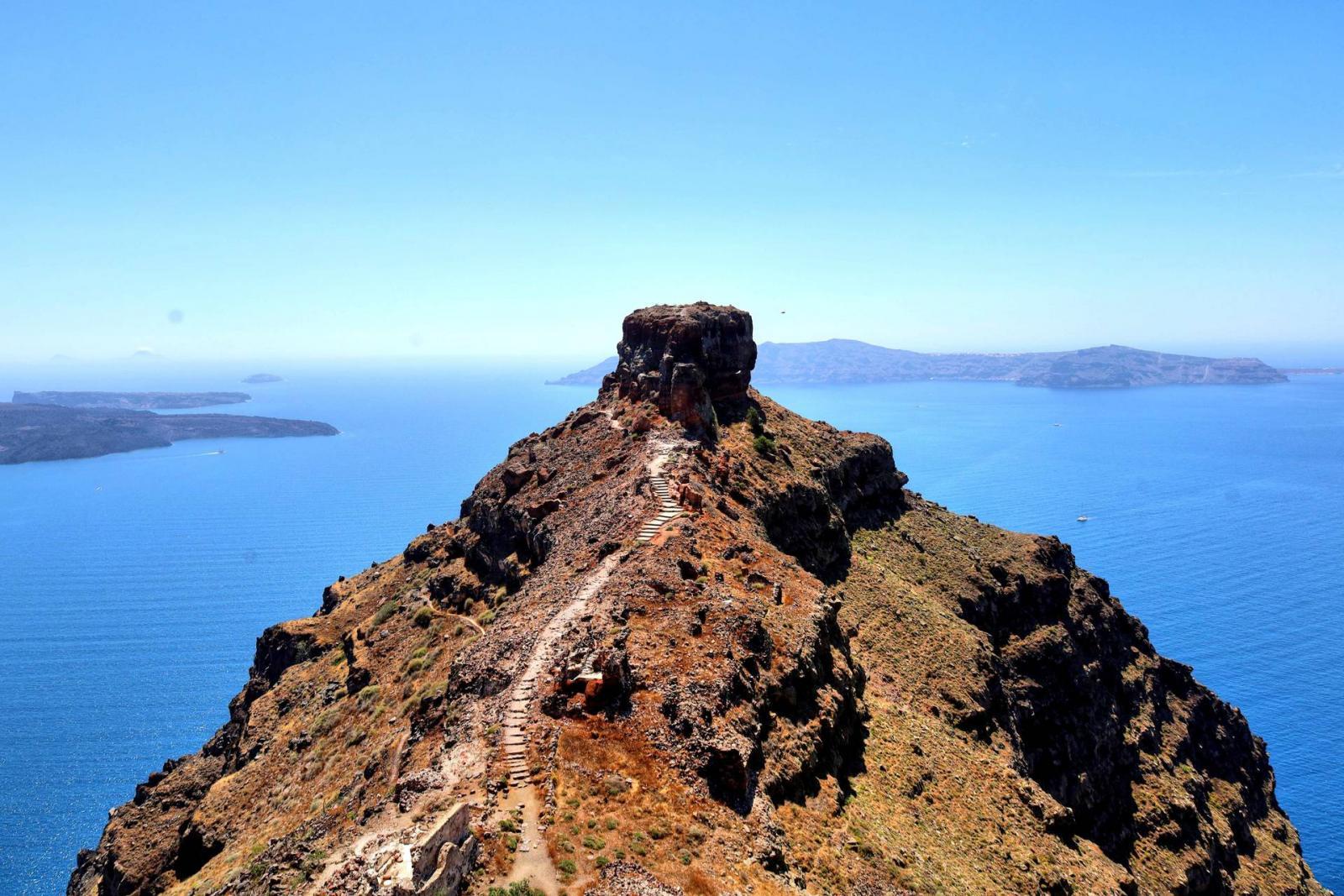
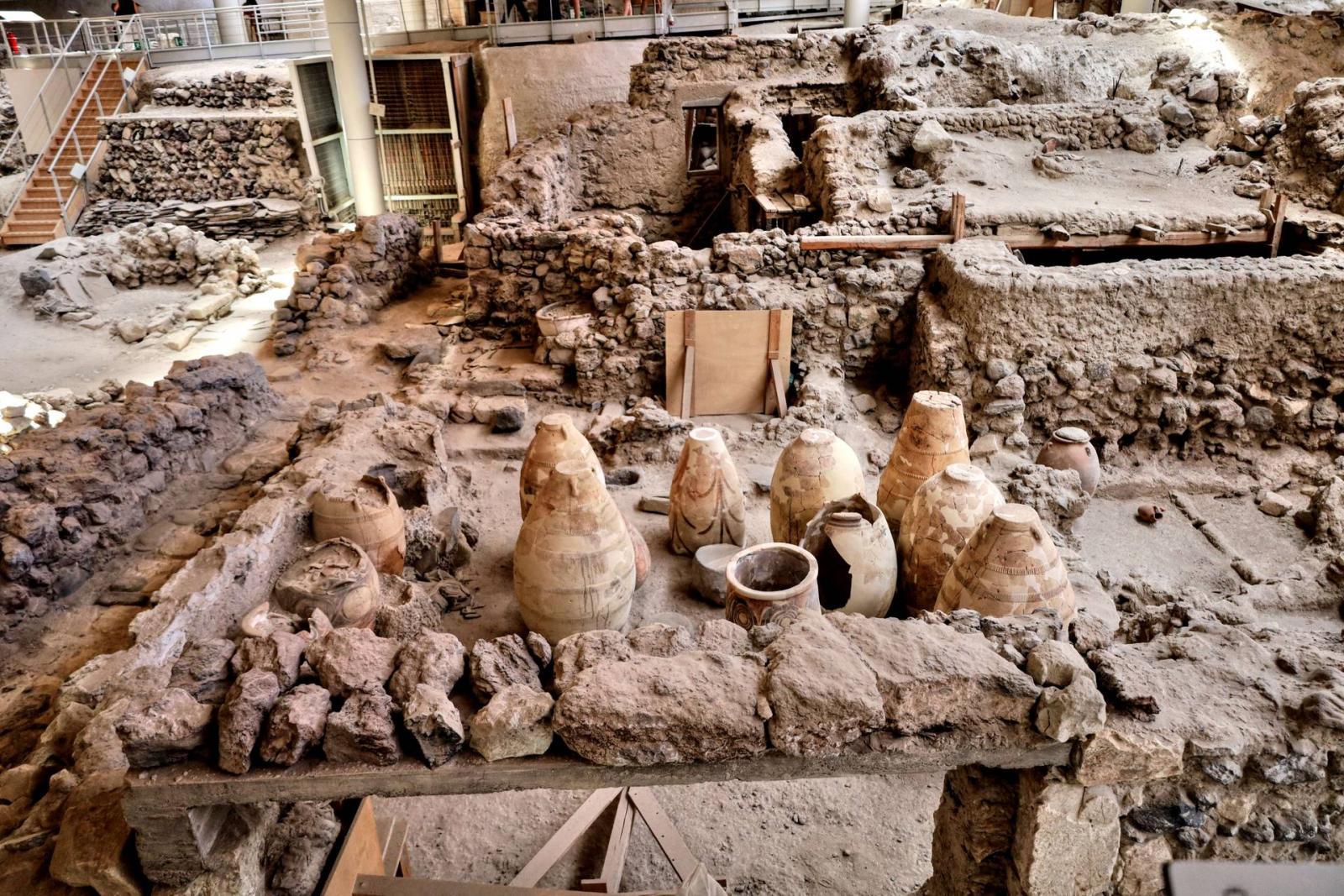
In addition to Nea Kameni, samples were collected from several other significant geological sites on Santorini. These included the oldest volcanic rocks of the archipelago, more than half a million years old; lava flows from the Skaros volcanic plug dating back nearly 70,000 years; and deposits from the famous Minoan eruption approximately 3,600 years ago. This catastrophic eruption formed the present-day Santorini caldera, buried the town of Akrotiri beneath tens of metres of pumice and ash, and significantly contributed to the decline of the Minoan civilization in the eastern Mediterranean.
The results of the laboratory analyses will contribute to a better understanding of the processes that influence the long-term stability of active volcanoes and the associated geological hazards. The research also opens up new opportunities for collaboration between researchers from the BUT Faculty of Civil Engineering and leading Greek institutions involved in the research and monitoring of volcanic activity in the eastern Mediterranean. It builds on the long-standing focus of the Institute of Geotechnics at the BUT Faculty of Civil Engineering on the mechanical properties of geomaterials and their importance in geological hazard assessment.
More about the Santorini–Kolumbo volcanic system and its recent activity can be found in the article: KRMÍČEK, L. *The Santorini and Kolumbo Volcanoes Share a Common Magmatic System*. Vesmír, 2025, No. 12, p. 676. (CZ only)
Source: BUT Faculty of Civil Engineering
Green facades improve the air and lower the temperature in hot cities
BUT experts address climate challenges, floods, and the future of Czech water
The weakest dies, the rest continues to grow
FCE experts test energy piles to ensure structural stability and cooling of buildings
Modern civil engineering will design pleasant shopping centres and optimal escape routes for people