Topic
Article on machine learning by Institute of Forensic Engineering BUT featured in scientific journal
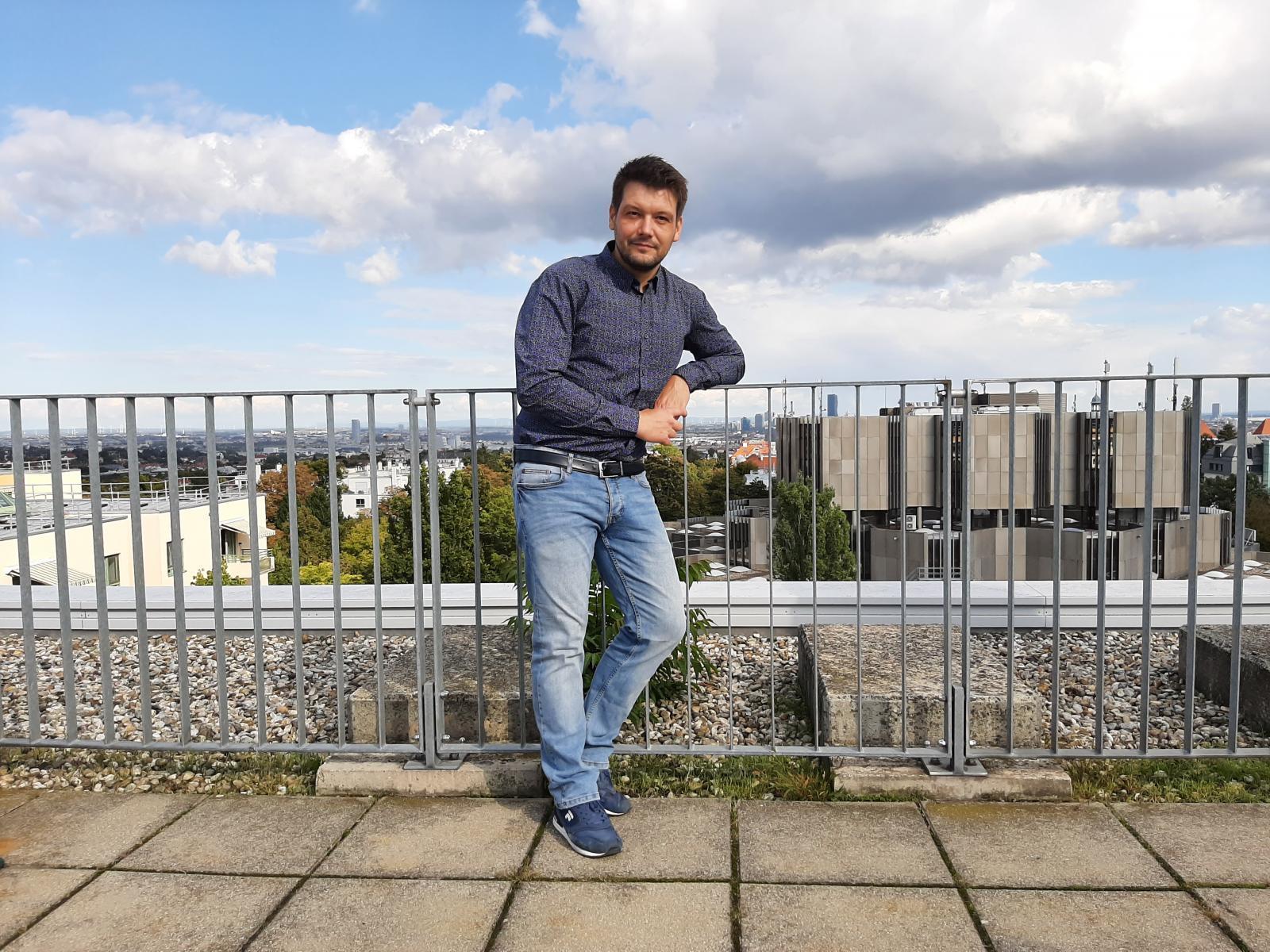
A major academic achievement! An article by Assistant Professor Pavel Maxera, who researches transportation organization and supply chain management at the Institute of Forensic Engineering at Brno University of Technology, has been published in the latest issue of the renowned scientific journal *Journal of Simulation*.
Its quality is further underscored by the fact that the text, co-authored by Christoph Kogler from BOKU University in Vienna, was selected by the journal’s editorial board. This means that the publishers explicitly recommend it for reading.
In a 25-page literature review, the two experts examine works that integrate machine learning into simulation modeling. “The literature review is primarily intended for the publishing scientific community or anyone who needs to familiarize themselves with the topic—to read what other authors have already written about it, what tools they used, and in what context. This prevents researchers from reinventing the wheel,” explains Pavel Maxera the significance of this genre.
To publish the material in this form, the two colleagues had to compile a total of 1,147 articles on the integration of machine learning into simulation modeling published from 2013 through early 2025. After reviewing them, they discarded the vast majority for failing to meet the criteria, leaving a final total of 72 papers, which they included in their review. They then categorized these according to the type of simulation software, machine learning, algorithm, or programming language used.
The number of studies published on this topic has risen sharply in recent years. This means that the method is being used more and more frequently—even by large companies that create simulation models or digital twins of their production lines or supply chains.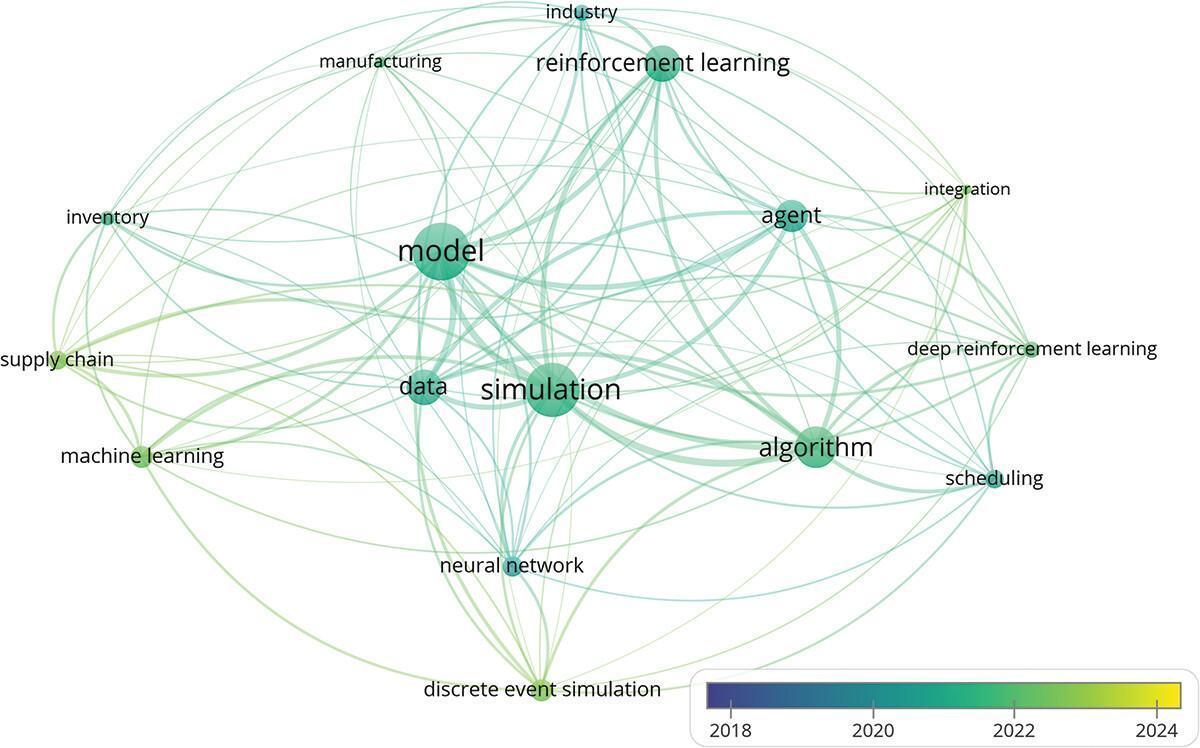
The studies reviewed in the article generally describe the principles of how machine learning works, its use in simulation models, and its division into three basic types—supervised, unsupervised, and reinforcement learning. “Machine learning is currently such a dynamic discipline that today’s limits and constraints will most likely no longer apply tomorrow,” notes Pavel Maxera.
Writing and publishing such a scholarly article is no sprint. The peer-review process, in particular, tends to be lengthy—typically a three-stage process—with each stage potentially lasting several months, during which the author must completely update the article.
At the Institute of Forensic Engineering, Pavel Maxera teaches courses focused on transportation organization, logistics, and the management of transportation and freight forwarding companies. He also embraces Comenius’s “learning through play” philosophy, which has brought further success—a team of his students represented BUT this year in the international Wood Supply Game logistics simulation competition and, competing against teams from Hong Kong, the U.S., Canada, and many European countries, finished in a fantastic second place.
You can read the successful article by Pavel Maxera and Christoph Kogler in the online version here.
Source: ÚSI VUT
Pavel Václavek: Sustainability Will Succeed If It Brings People Tangible Benefits
AI matters. CEITEC helps Czech companies test industrial applications with artificial intelligence
FactDeMice Project: AI as Tool for Journalists and Businesses, Not Arbiter of Truth
AI reflects back an image of ourselves, says Petr Koňas
From hours to seconds: the ecological adhesive revolution offers an alternative to synthetics