People
Wine with a Story: BUT graduate Jiří Maděřič combines technology and winemaking

Although Jiří Maděřič had been close to winemaking since childhood, his journey was far from straightforward at first. Originally drawn to mathematics, physics and astrophysics, he began his university studies at the Faculty of Mathematics and Physics at Charles University. Over time, however, he realised that he was more interested in the practical application of these disciplines than in theory alone. He therefore decided to transfer to the BUT Faculty of Mechanical Engineering, where he graduated in Mathematical Engineering.
He still looks back on his time at Brno University of Technology very fondly. What mattered most to him was not only the specialist knowledge he acquired, but above all the way of thinking he developed during his studies. “I was greatly influenced by one of my lecturers, who placed particular emphasis on planning experiments. He taught me to understand the nature of a problem first and focus on what really matters. That is something that has stayed with me throughout my life, and I am very grateful for it,” the graduate recalls.
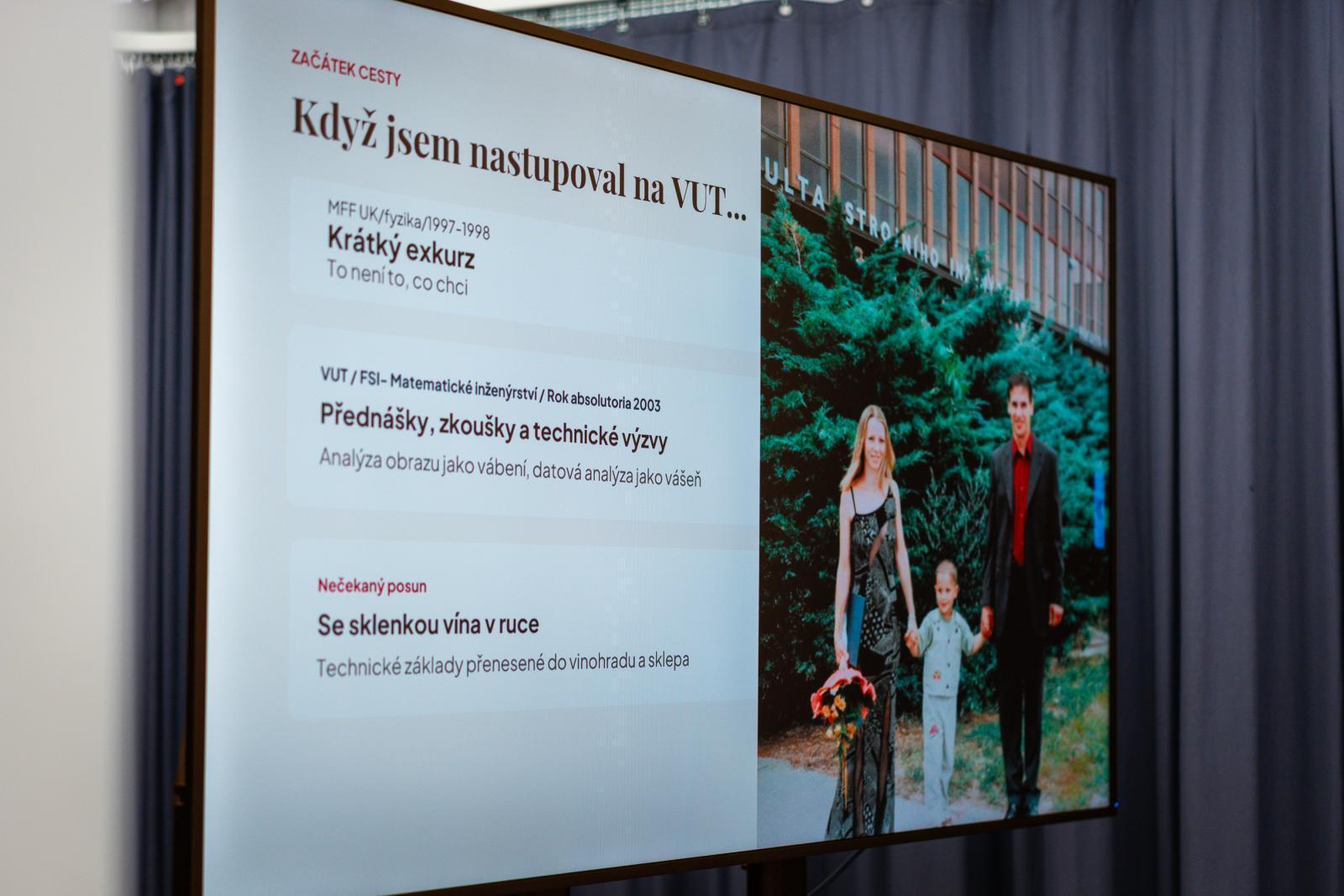
During his university studies, however, he also became increasingly involved in winemaking, a tradition his family had maintained for decades. He gradually took on more and more responsibilities until winemaking eventually became his main professional path.
From mathematical models to modern winemaking
Although winemaking may seem to be based primarily on tradition and knowledge passed down from generation to generation, Maděřič points out that modern wine production is an exceptionally complex field in which advanced technologies are used at virtually every stage – from soil preparation and vineyard planting to harvesting, grape processing and the distribution of finished products.
“Winemaking and technology have much more in common than people think. Satellite surveying is already used when establishing vineyards. Drones then help monitor the health of the vines, while modern machinery can perform many tasks automatically,” Maděřič explains.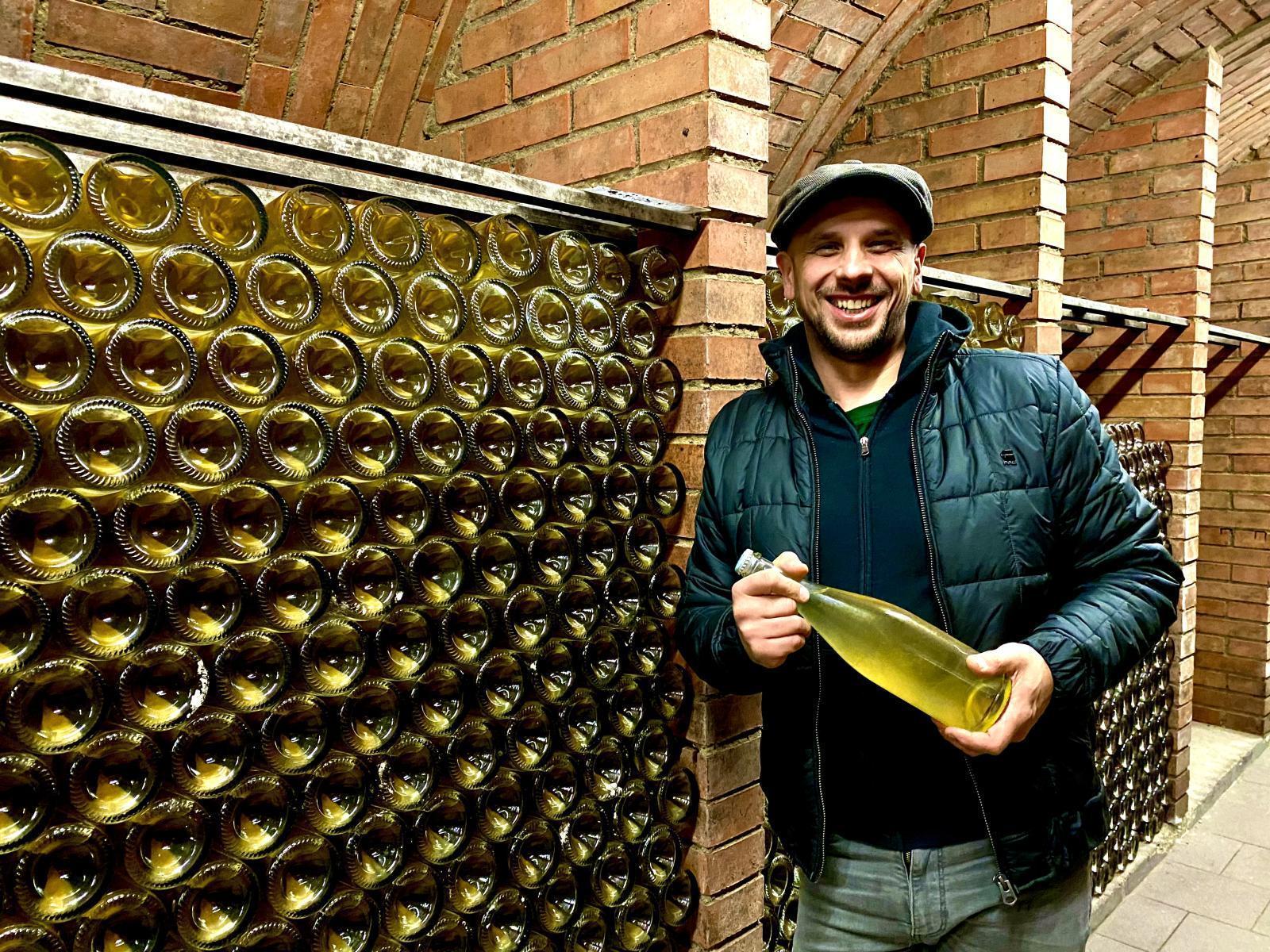
He also uses data analysis, mathematical modelling and forecasting in his work. In winemaking, changes cannot be made overnight. Decisions about planting new grape varieties may take several years to produce results, so winemakers must monitor not only the current condition of their vineyards and climatic conditions, but also long-term trends and customer preferences. This is why Jiří Maděřič considers the ability to analyse data and anticipate market changes one of the most valuable skills he acquired during his studies.
Vineyards of the future
Technological developments have also fundamentally transformed the everyday work of winemakers over recent decades. While cultivating vineyards once required a large workforce, many physically demanding tasks are now performed by specialised machinery. Modern grape harvesters, for example, can not only harvest grapes but also sort them and adjust their operation to the condition of the vines. According to Jiří Maděřič, this can significantly reduce the time needed for harvesting.
“It is an enormous change. Technology has transformed so many things and allows us to work faster and more efficiently,” he says. And further technological advances are still to come. At his winery, he is already exploring the use of autonomous robots to cultivate vineyards and is also interested in automating wine bottling and packaging. Looking ahead, he is considering developing an energy self-sufficient winery that would use its own energy and water resources.
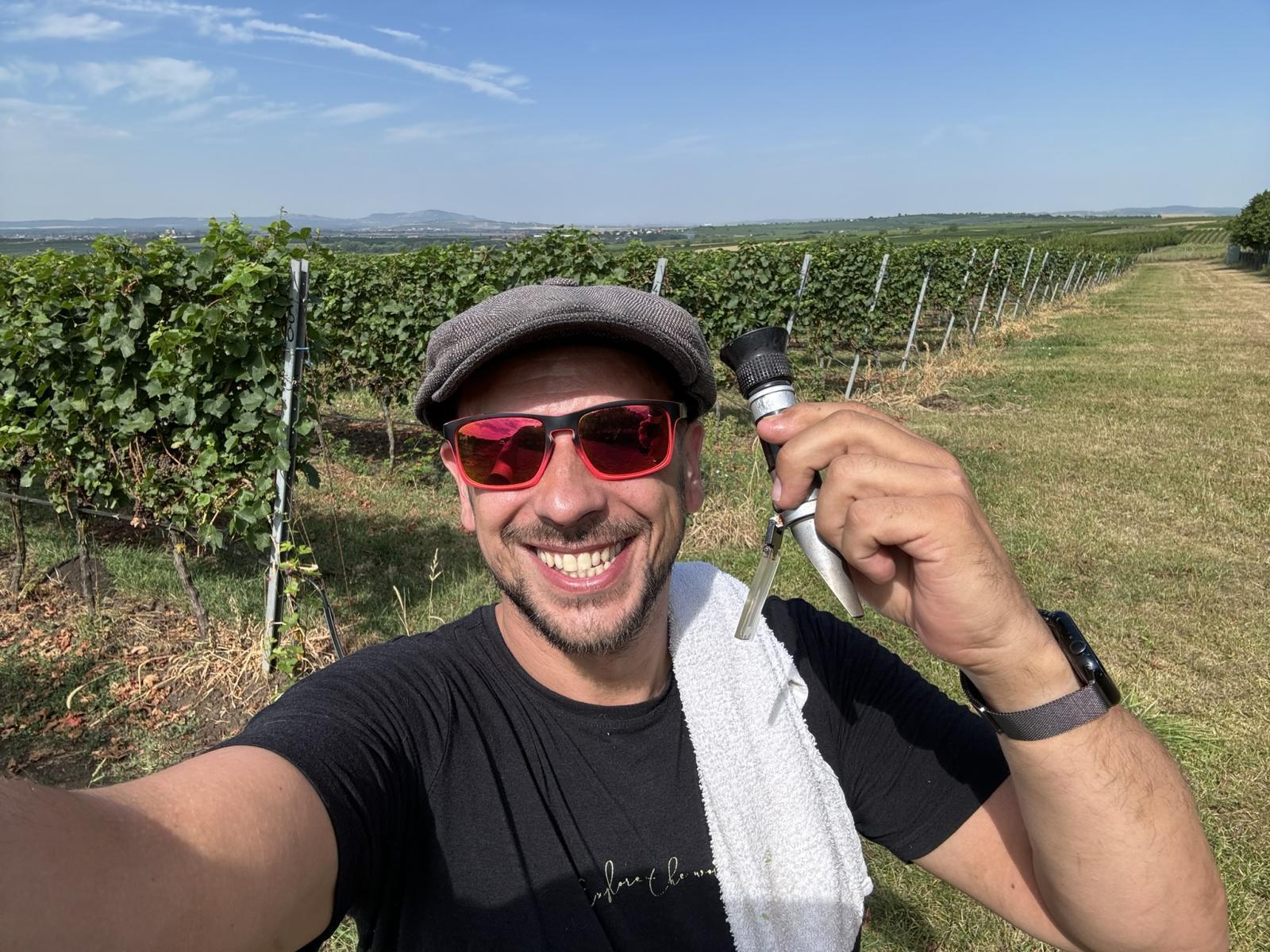
Nevertheless, the BUT graduate is convinced that the human touch will never disappear entirely from winemaking. Certainly not from his winery. Machines may take over routine tasks, but personal contact with customers, wine tastings and the experience of visiting a winery will, in his view, remain irreplaceable. “For small and family-run wineries, it really comes down to a personal approach. We need to show people the love we put into our work,” he adds.
Family tradition and fresh energy
Although Jiří Maděřič is among the winemakers who embrace modern technologies, he also places great importance on family tradition. The roots of his winery go back to ancestors who came from Croatia and brought the first grapevine seedlings with them to South Moravia. They initially cultivated vineyards in Moravská Nová Ves before gradually moving their winemaking tradition to Moravský Žižkov. Today, the next generation is beginning to become involved in the family business.
For Maděřič, maintaining control over the entire production process is essential, which is why his winery processes grapes exclusively from its own vineyards. “I take pride in the fact that we only process our own grapes. We have our own vineyards, look after them ourselves, make wine from the grapes and then sell it. I want us to be as self-sufficient and independent of external suppliers as possible,” he explains.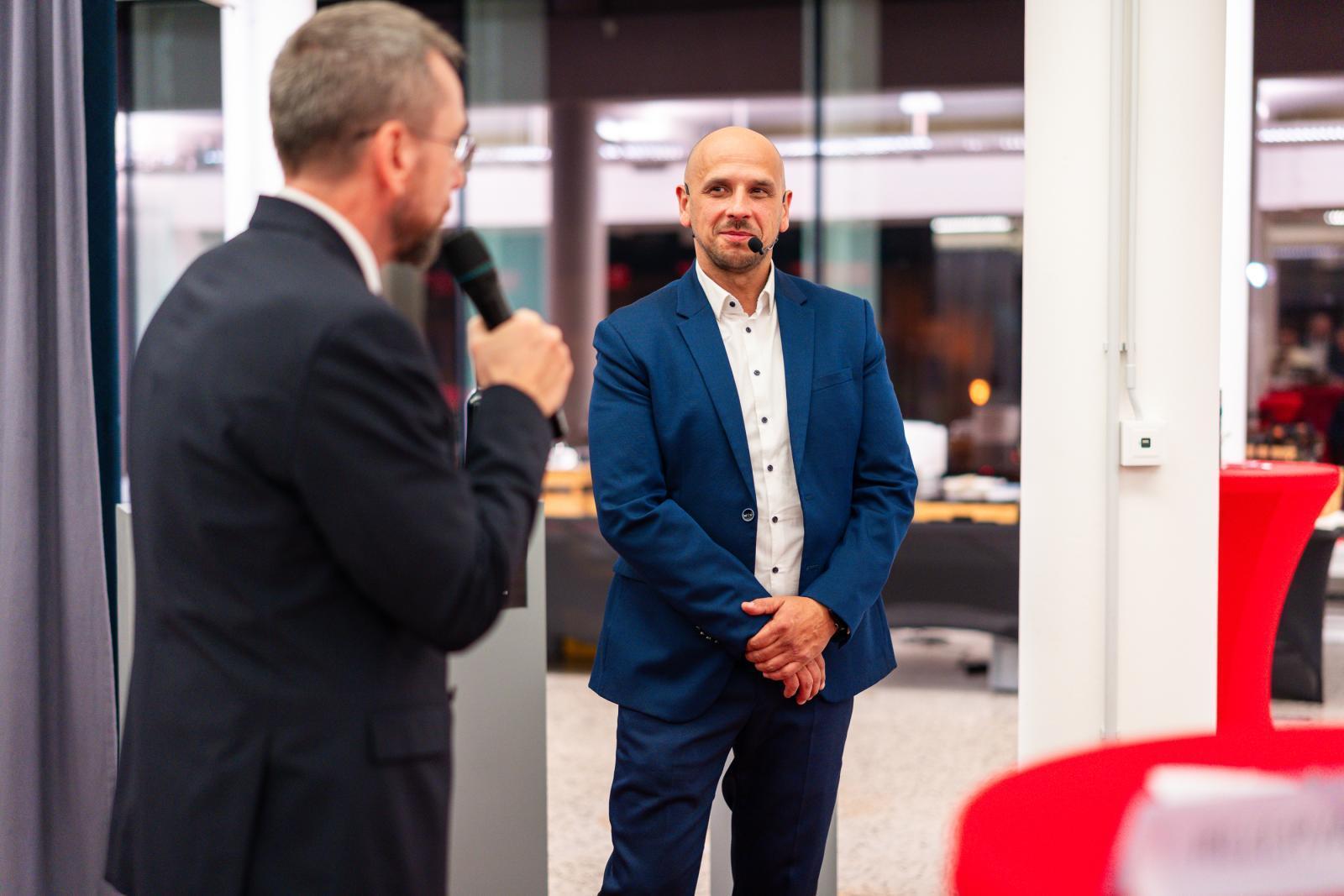
That does not mean, however, that he sticks exclusively to the grape varieties originally planted in the vineyards. Alongside traditional Central European varieties, he has gradually begun cultivating varieties more typical of southern wine-growing regions. “Climate change is altering the conditions somewhat, so varieties such as Traminer, Pálava, Chardonnay, Pinot Blanc, Merlot and Sangiovese are now beginning to thrive here. These are the varieties I want to plant in the future,” the winemaker outlines his plans.
Maděřič's technical education is also reflected in his passion for experimentation. Alongside traditional wines and sparkling wines, which are among his personal favourites, he has long been developing unconventional beverages and new flavour combinations. One of his first experiments was a drink called Koziňon, a lightly sparkling wine-based beverage combining wine with elderflowers. Although he originally intended it simply as a refreshing drink for summer gatherings, it also achieved success at an international competition in the United States, where fruit and herbal wines are commonly produced.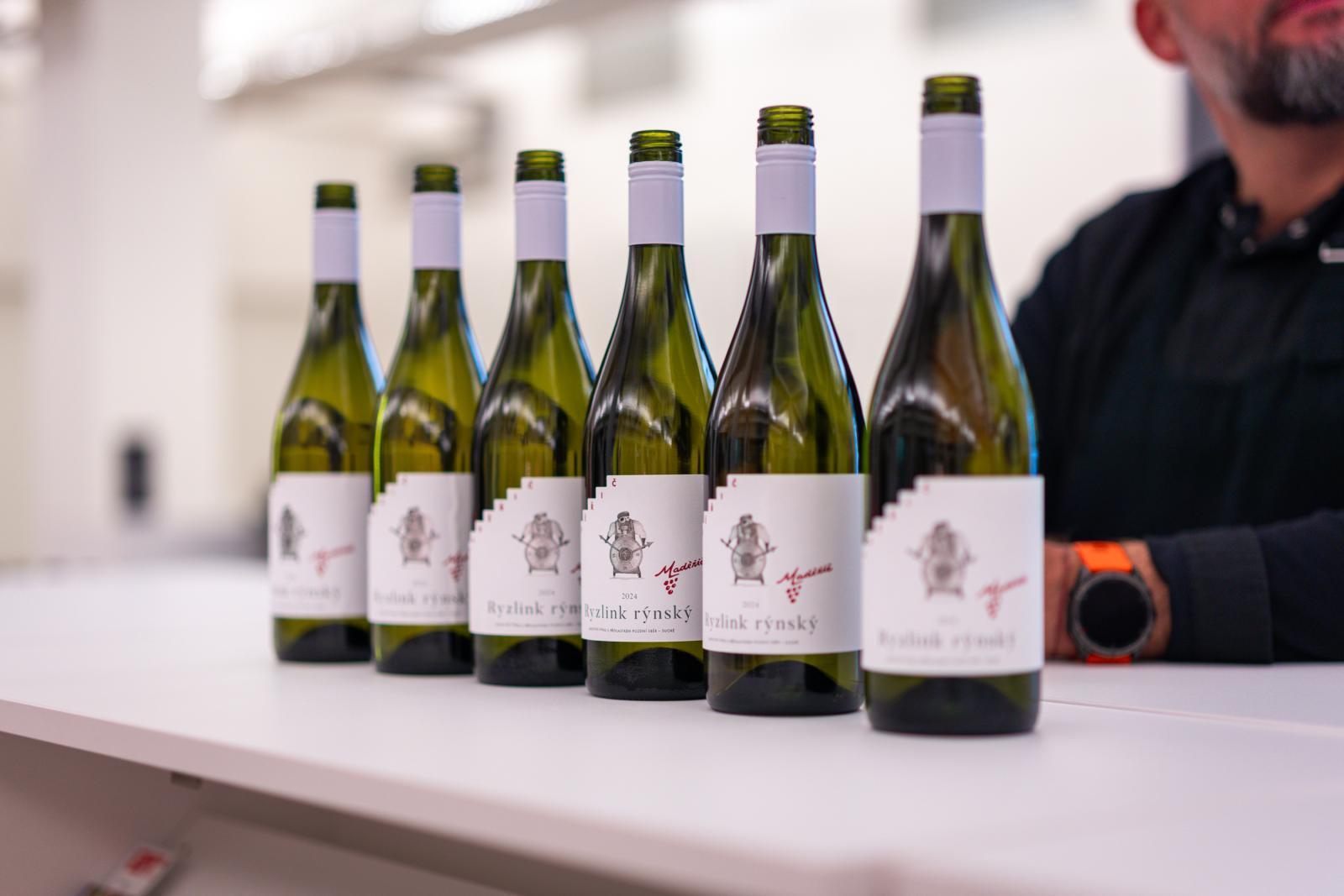
His experiences abroad subsequently inspired further experiments. One of his most interesting creations is coffee wine – wine aged with coffee beans. “I prepared ten different wines, bought ten types of coffee and tried all sorts of combinations. I ended up with around two hundred small samples, from which I gradually selected the most promising ones. In the end, the winning combination was Blaufränkisch and lightly roasted coffee from East Timor,” Maděřič explains, adding that not every experiment necessarily ends in success. Yet the willingness to explore new possibilities is, in his view, an essential part of innovation.
Wine with a Story: A return to his alma mater
This year's BUT Academic Wine selection introduces a new special category, Wine with a Story, which will highlight a unique story connected to the university, its graduates, values or achievements each year. For the first time, wines from BUT graduate Jiří Maděřič's winery were selected for consideration in this category. His story demonstrates that the worlds of technology and winemaking are surprisingly closely connected. “For me, it is an interesting opportunity and something of a homecoming,” he says with a smile.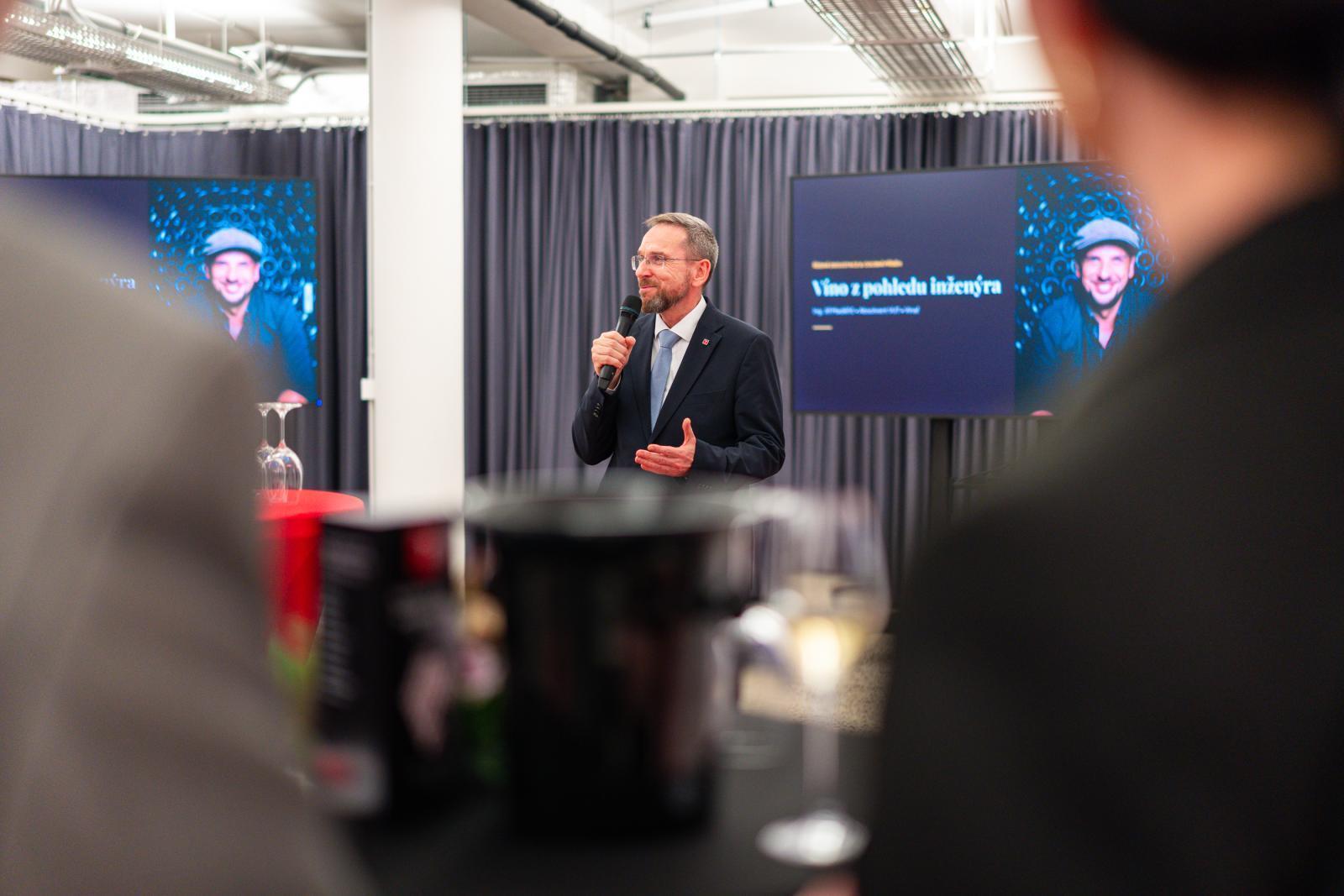
Looking ahead, he would like to strengthen the connection between his winemaking experience and the university, for example through the development and testing of robotic systems for agriculture. Maděřič sees considerable potential in this kind of collaboration, both for the further development of the industry and for connecting scientific research with real-world practice.
“Wine is essentially applied technology taken to another level, because its entire production process involves a vast range of technologies and technical innovations,” the BUT graduate concludes, emphasising that even the most advanced technologies cannot replace a personal approach and a genuine connection to what one creates. The two must always go hand in hand.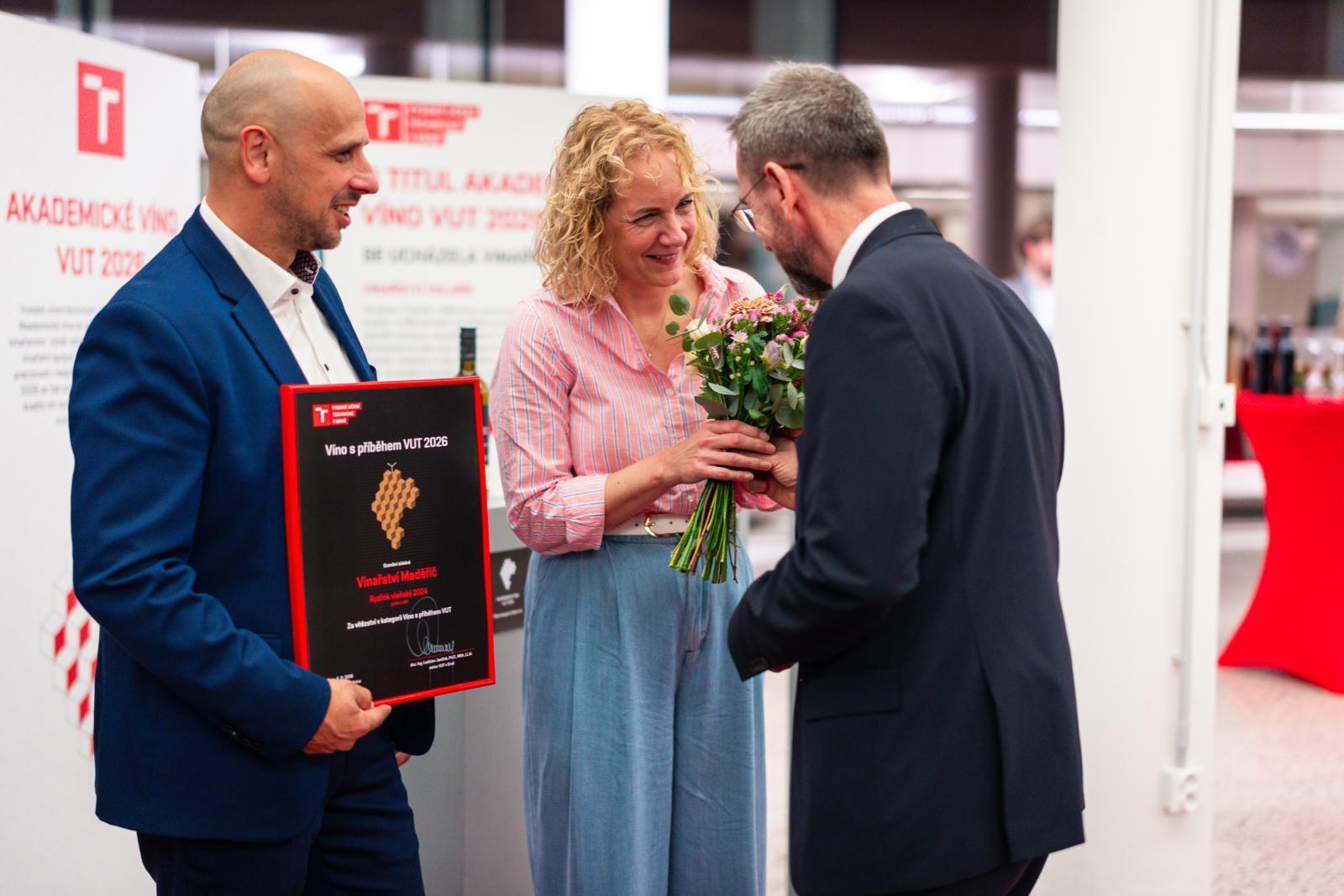
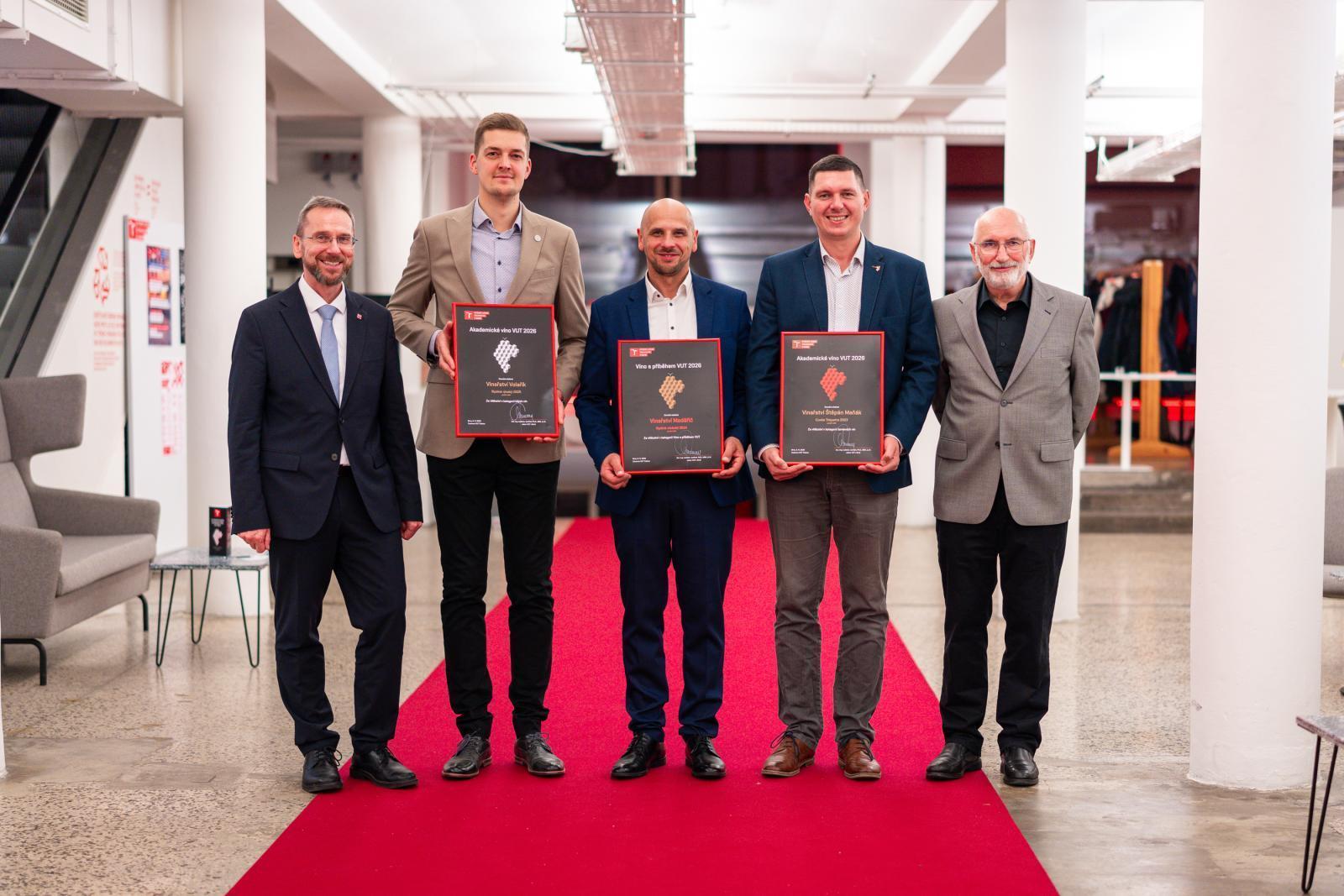
You can find more photos from the BUT Academic Wine Gala in this article.
I don't call the students by name, I respect them very much, says Šárka Mikmeková
Heatman Marek Scholler transmits energy not only on stage
Jakub Dokulil is developing microscope that will track movement of cellular molecules
"I enjoy innovating established products. Potential lies in electronics and software," says Pavel Schiller from ASN Plus
Ondřej's career path led from internship in space industry to ESA