People
27 April 2026
2D nanomaterials could revolutionize world of implants. Ph.D. candidate Daniel Němeček is also researching them.
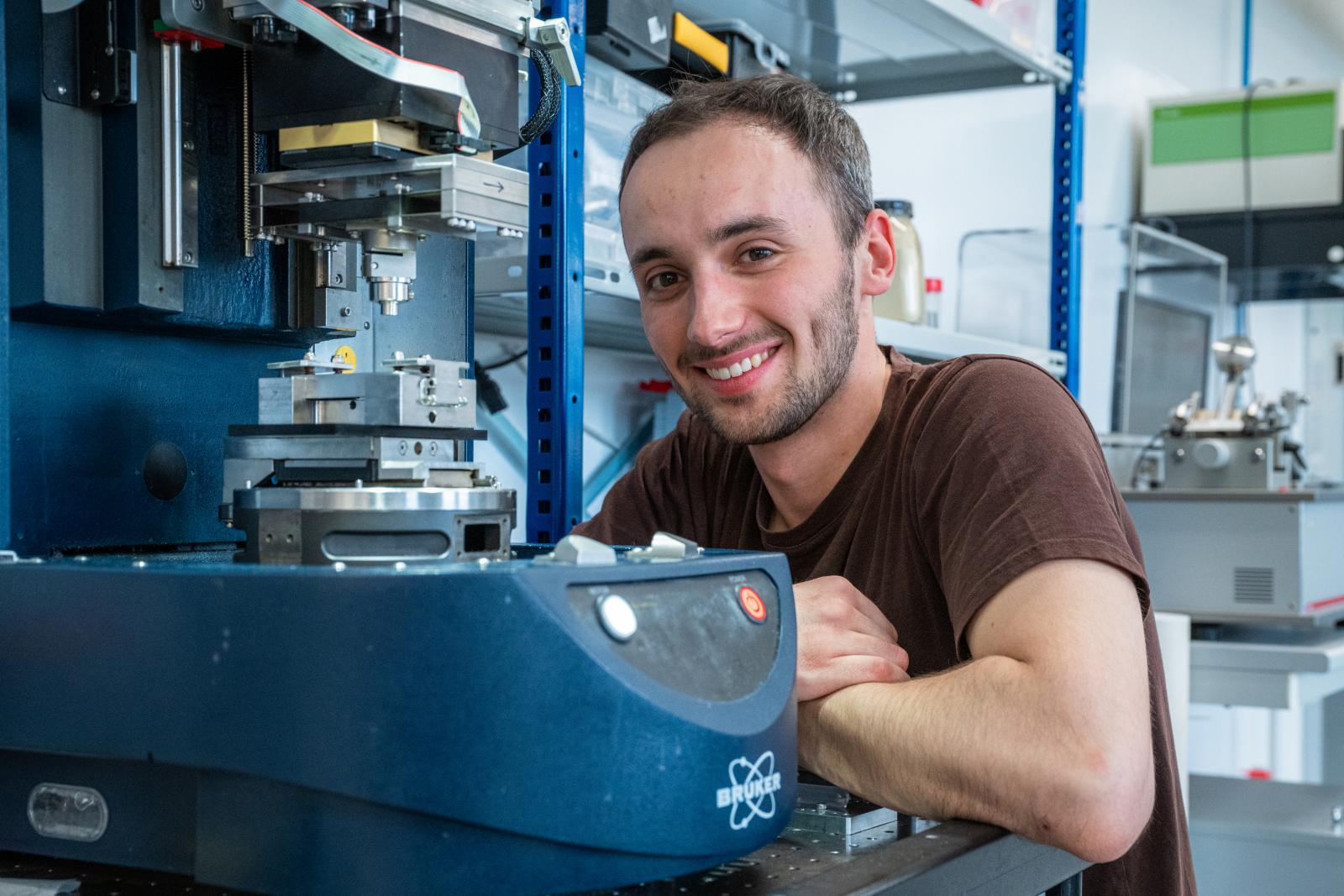
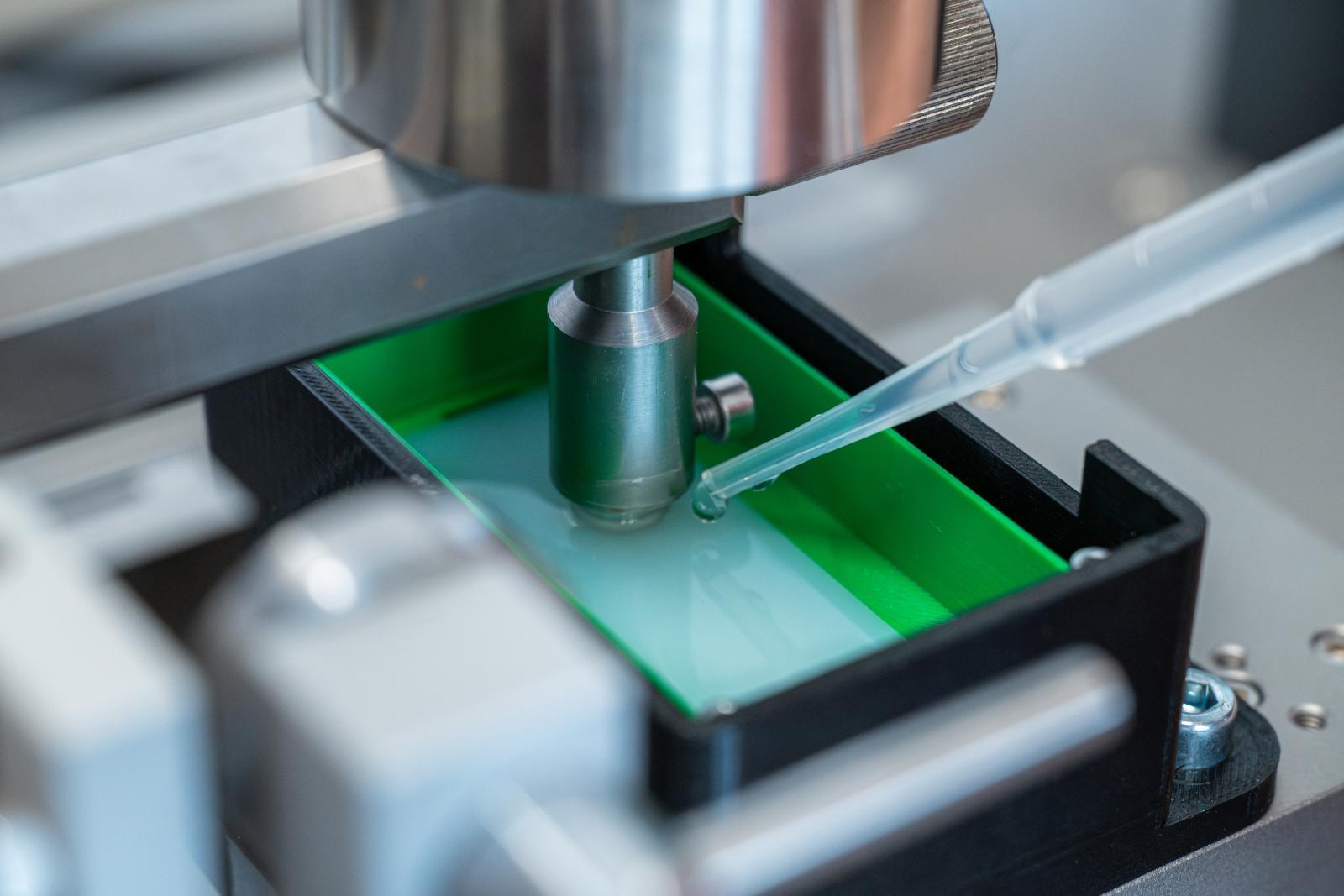
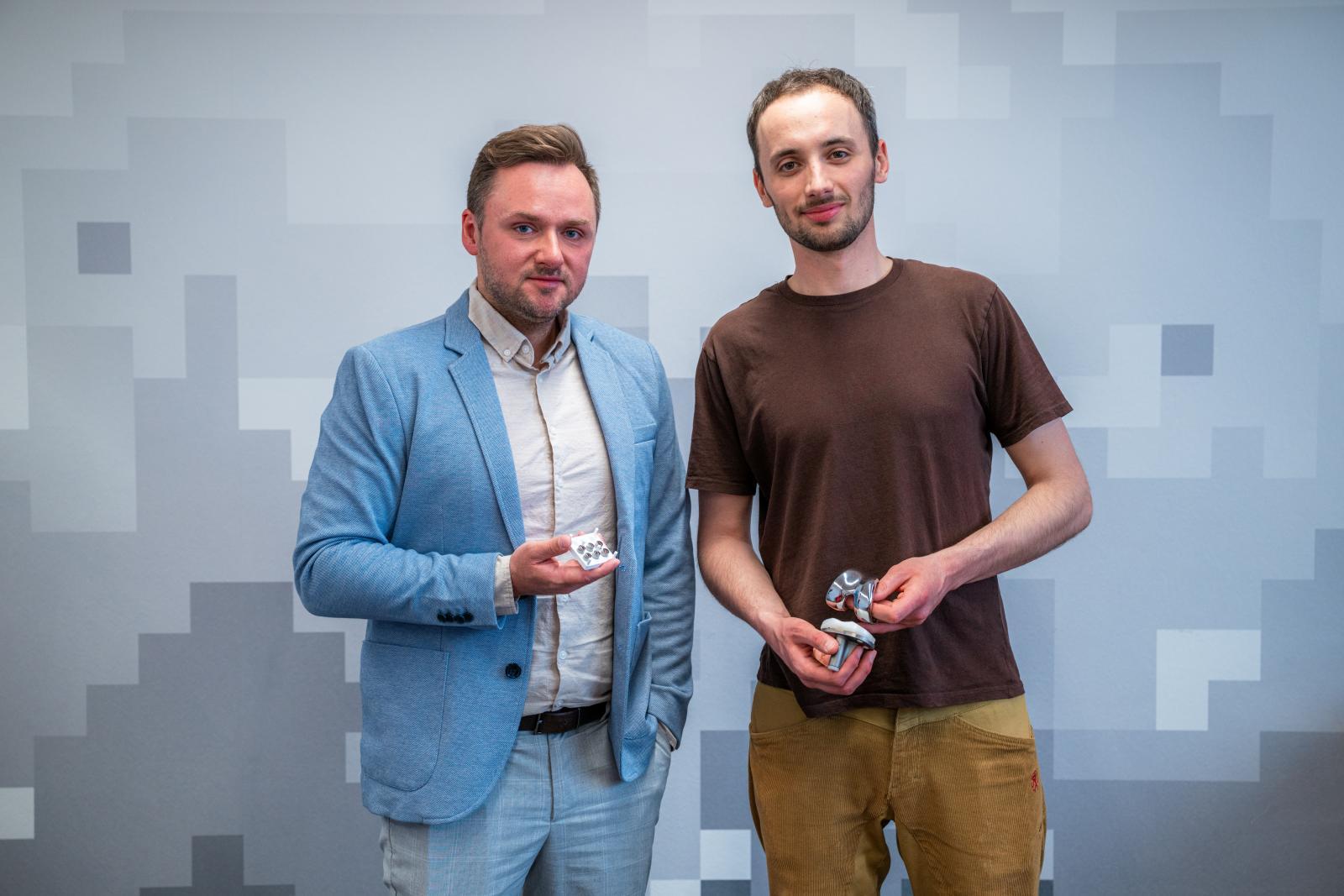
Why does an artificial joint replacement wear out within a few years, while human cartilage lasts a lifetime? This is precisely the question research teams around the world are trying to answer, including scientists from the Faculty of Mechanical Engineering BUT. In the field of biotribology, they connect engineering with medicine and seek to understand the processes of friction and wear in living organisms. The interdisciplinary nature of the field has also attracted Daniel Němeček, who received the Brno Ph.D. Talent award for his research and also succeeded in the Werner von Siemens Award.
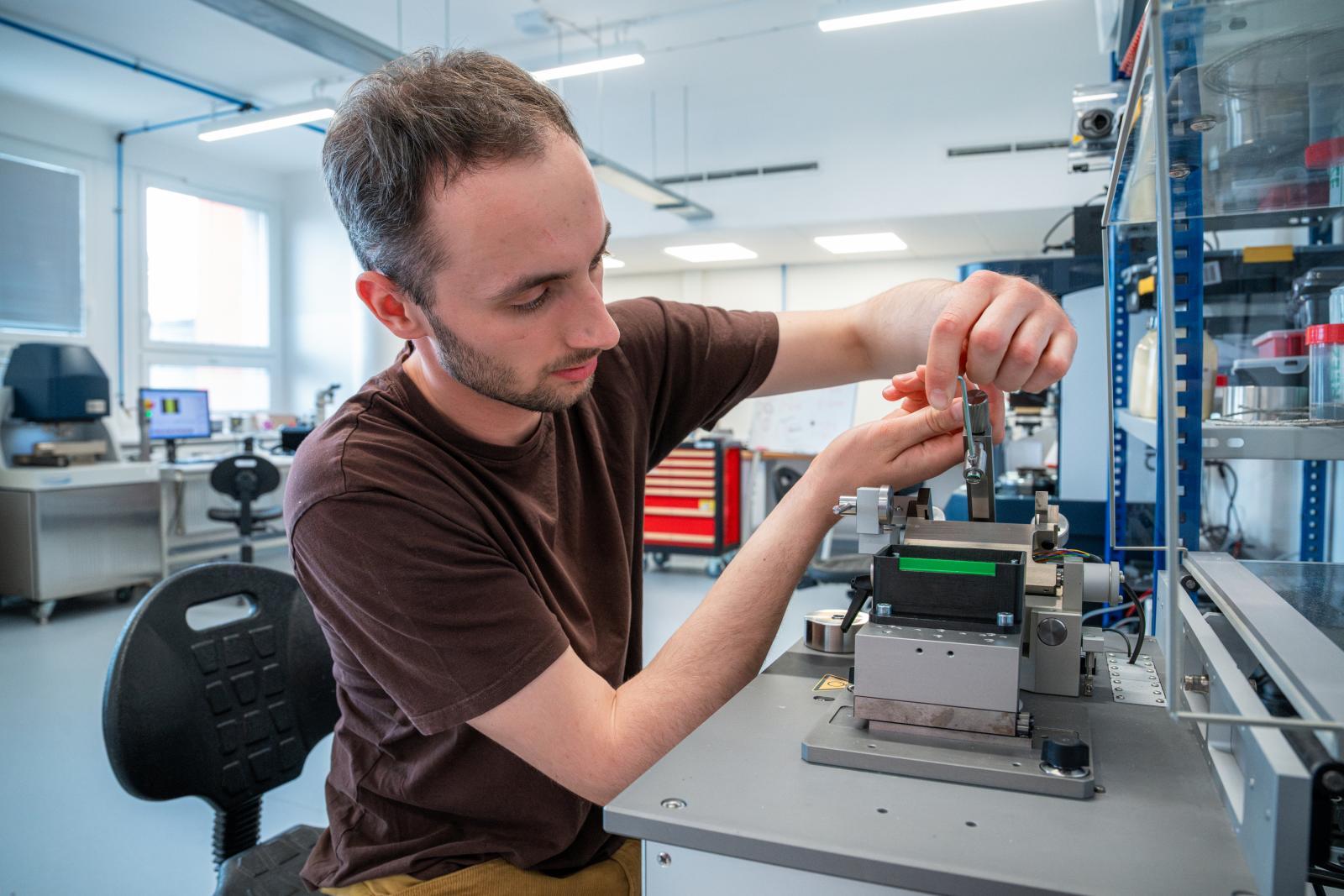
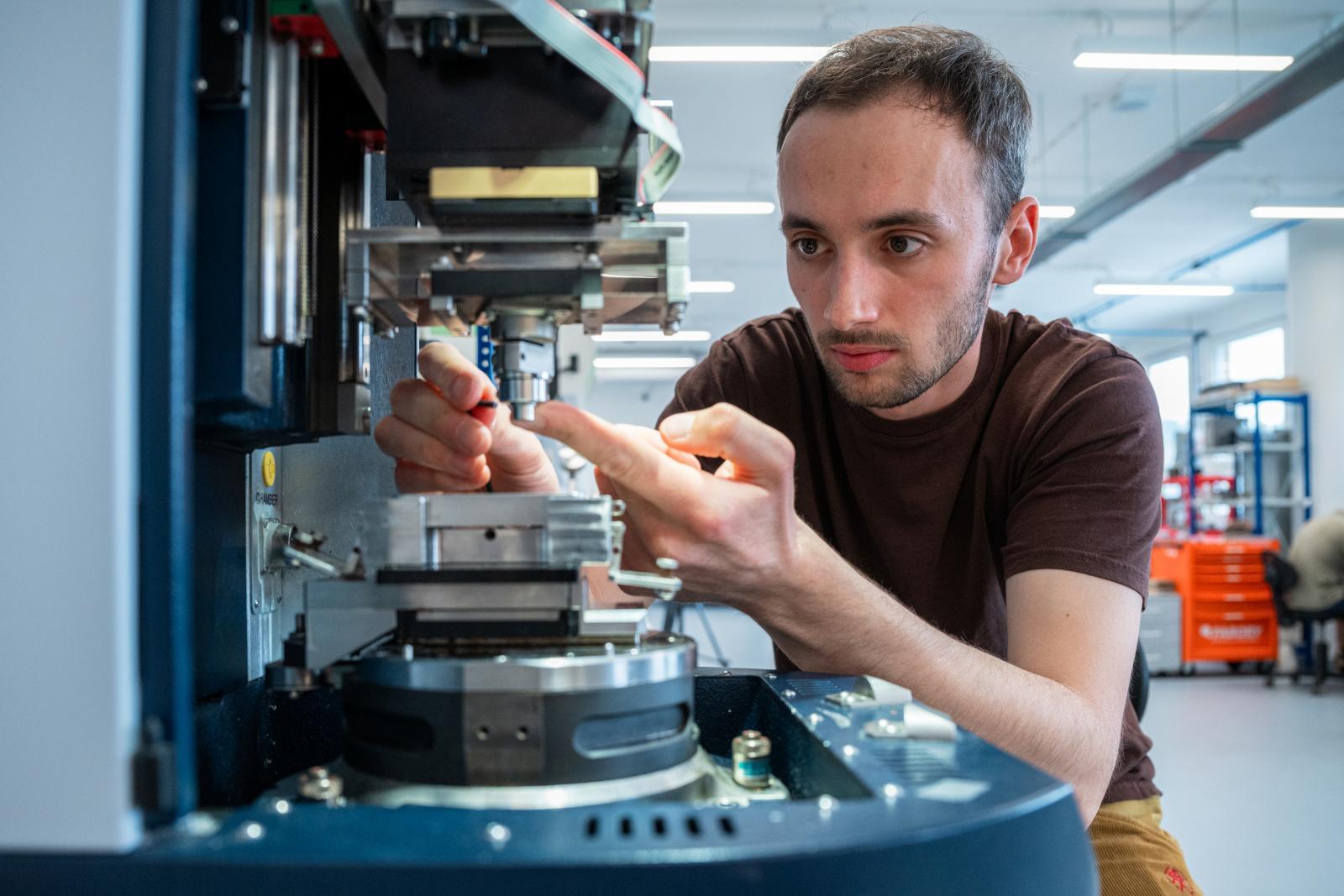
“I didn’t want to do purely mechanical engineering; I was drawn to something with overlap. Biotribology is a step from engineering into medicine,” says doctoral student Daniel Němeček from the Institute of Machine and Industrial Design, who has been involved in the field since his bachelor’s studies. At that time, he tested hip replacements with textured surfaces; later, he moved on to hydrogels, which aim to mimic natural cartilage.
“I didn’t want to do purely mechanical engineering; I was drawn to something with overlap. Biotribology is a step from engineering into medicine,” says doctoral student Daniel Němeček from the Institute of Machine and Industrial Design, who has been involved in the field since his bachelor’s studies. At that time, he tested hip replacements with textured surfaces; later, he moved on to hydrogels, which aim to mimic natural cartilage.
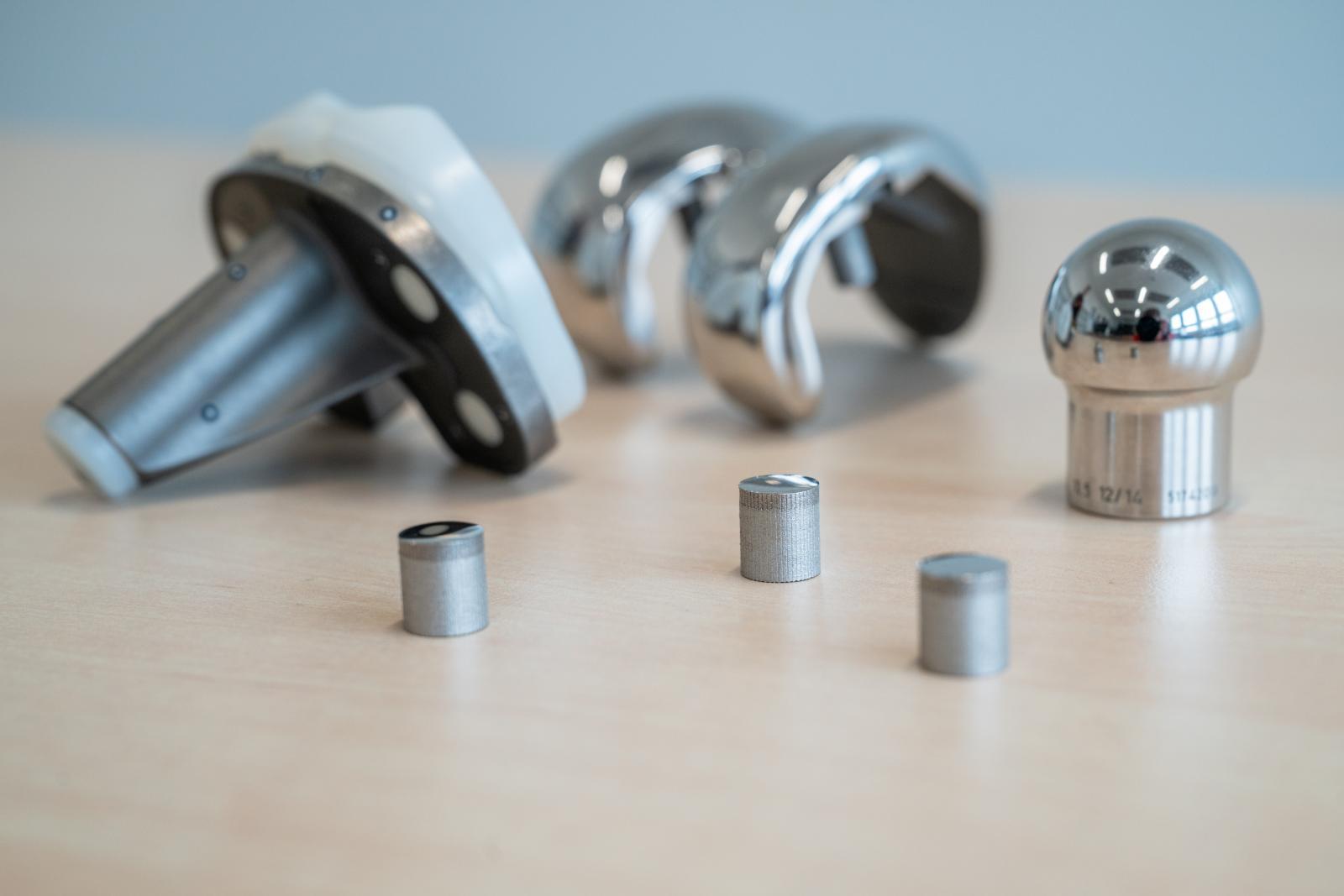
This very disparity is one of the major unknowns of current research. “At first glance, the materials behave similarly, but they differ in key properties. I would like to know what we are missing—what the crucial mechanism is,” reflects Němeček.
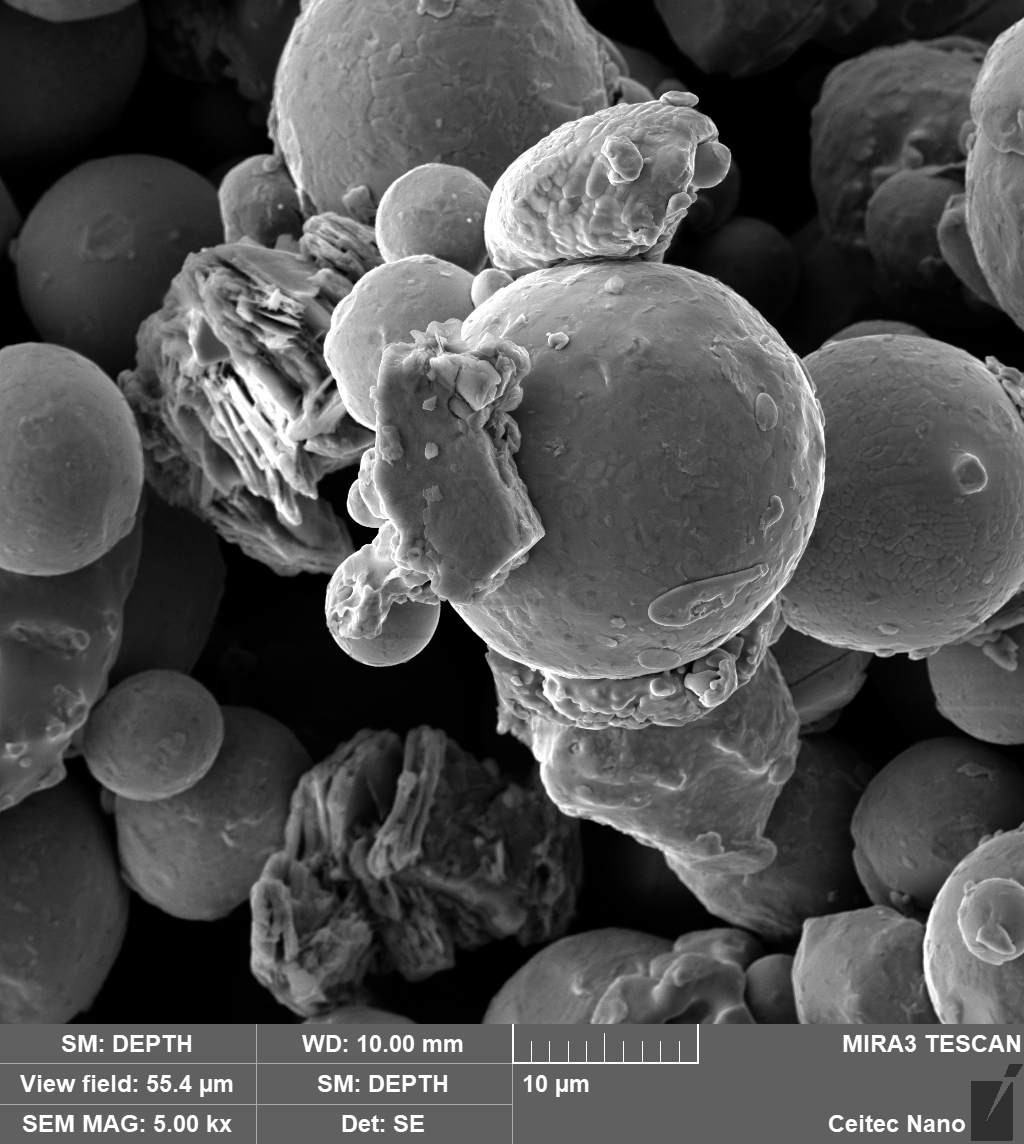
It is precisely the research on 2D materials that is linked to a project of the Czech Science Foundation, led by Nečas, which also includes Němeček’s dissertation and his Brno Ph.D. Talent project. The motivation is clear: current joint replacements have a limited lifespan, and some patients require revision surgery. “An implant lasts on the order of ten to twenty years. Approximately five to ten percent of all major joint surgeries are therefore revision procedures. These are more demanding, more expensive, and represent a significant burden for patients, both psychologically and physically,” says Nečas.

Surrounding yourself with the best
In his work, David Nečas follows what he learned during his own doctoral studies: science is about collaboration—ideally international. This is why, this spring, in cooperation with colleagues from Imperial College London, TU Wien, Leibniz University Hannover, and industrial partners, he prepared a Horizon Europe project. “If we want to be among the best, we must collaborate with the best. This project focuses not only on research but also on team development and support for young scientists,” explains Nečas. It is set to include internships, workshops, and intensive exchange of experience.
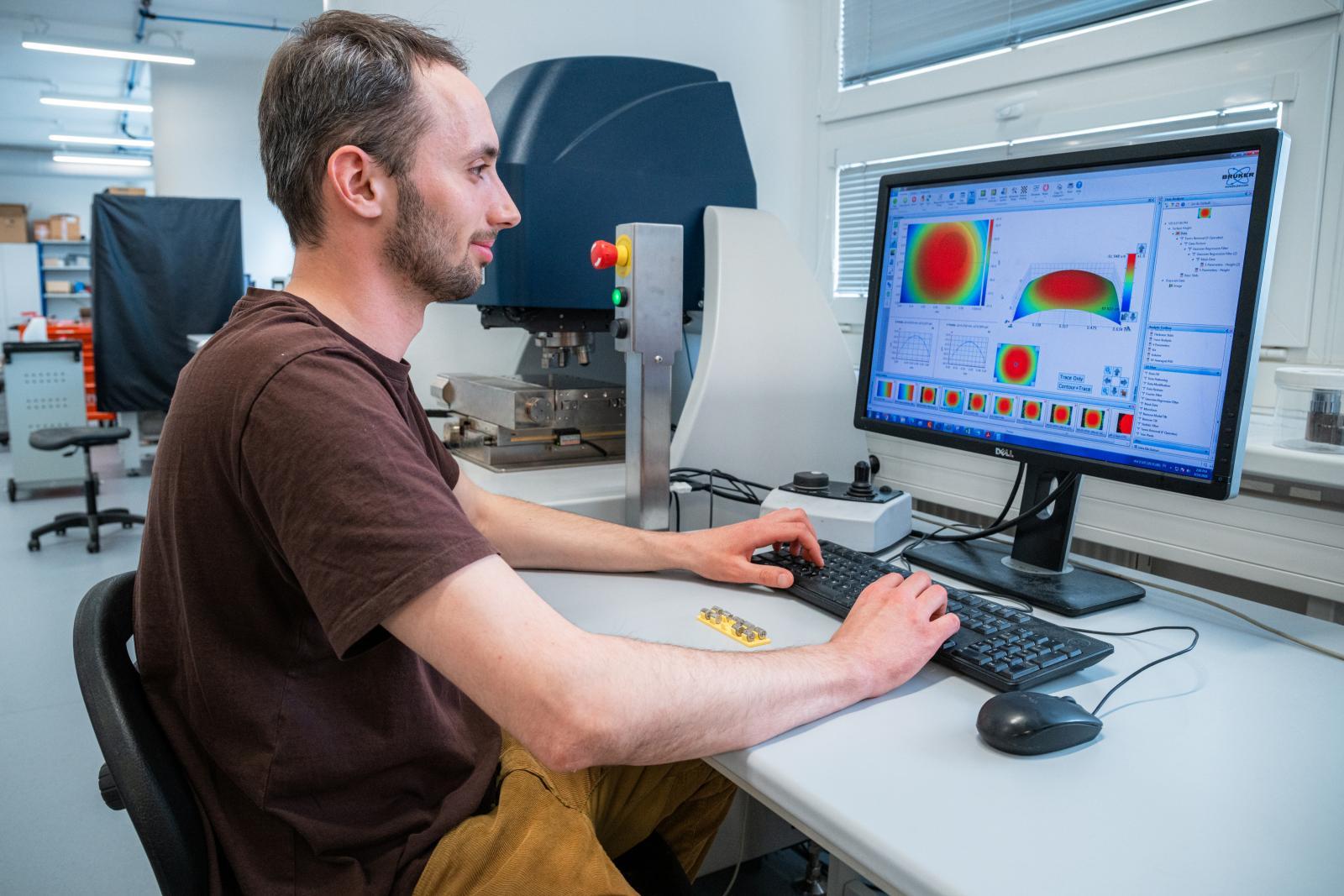
In addition to research into new materials, the researchers are also addressing more general tribological questions. One of them is so-called superlubricity—a state of extremely low friction—in joints as well as in machines. “In laboratory conditions, we can already achieve it today. The greatest challenge is to transfer these findings from the micro world to the macro world. There is enormous potential here as well, because according to estimates, up to a quarter of all produced energy is lost precisely due to friction and wear. If we could achieve superlubricity in machines, we as a planet would become significantly more efficient in our use of energy,” concludes Nečas.
(ivu)
(ivu)
Auxetic material behaves differently than you would expect, says student Tomáš Vítek
Awarded student Jiří Kabát uses an electron microscope to measure the temperature of nanoparticles
Alexandra Streďanská’s fascination with fascia and hyaluronic acid
Doctoral students in engineering study the behaviour of the circulatory system. Neural networks also help them
Research with potential for space technology earned a PhD student from FSI the Brno PhD Talent award